
Same-sex marriage: a two-speed world
From the pioneering Netherlands to the 65 countries that still criminalise homosexuality: the highs and lows of LGBT rights around the world.
by Maria Paola Mosca
 Aggiungi Il Sole 24 Ore
ai preferiti su Google
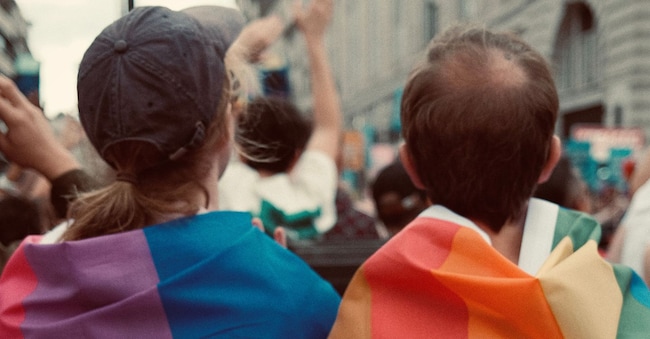
“This year marks the 25th anniversary of the world’s first law on equal marriage coming into force, right here in the Netherlands. So, as far as I’m concerned, every month is Pride Month.” So said Rob Jetten, the Netherlands’ youngest and first openly gay prime minister, as he launched WorldPride 2026 in Amsterdam a few weeks ago. Although it was a trailblazer in the legalisation of same-sex unions and boasts high levels of tolerance, the land of windmills ranks 13th on ILGA Europe’s Rainbow Map – a tool that tracks LGBTQ+ rights and protections across 49 countries on the continent. This year, Spain takes first place. Next comes ‘dethroned’ Malta, which for years has been a champion of LGBTQ+ rights and a leader in the recognition and protection of these freedoms, but has in fact stalled on the path towards a comprehensive anti-discrimination legal framework.
Whilst Europe certainly remains, in many respects, one of the best regions in the world for the recognition of the rights of gay, trans and lesbian people, it is not the only region to have seen a significant improvement in attitudes towards the LGBT community over the last twenty years. This is supported by recent Gallup surveys. Out of the 120 countries analysed, the overall trend is positive. However, as the US-based organisation acknowledges, a wide variety of situations persists globally. Whilst 40 per cent of adults say that the area where they live is a good place for LGBT people to live – at least 15 percentage points more than in 2007 – 44 per cent say the opposite.
And, according to the analysis, despite undeniable changes, individual and legal support for various LGBT issues has slowed. Support for same-sex marriage, for example, has fallen from a peak of 71 per cent four years ago to 65 per cent today. Whilst 62 per cent of Americans consider same-sex relationships acceptable, this figure is 9 percentage points below the peak recorded at the start of the decade. And although the United Nations Human Rights Council has renewed its mandate to protect LGBT people from violence and discrimination, according to ILGA’s latest World Database on the level of legal freedoms for LGBT people, 65 states still criminalise consensual same-sex relationships. Seven countries provide for the death penalty, and five lack legal certainty on the matter.
Let us turn our attention once more to marriage equality, the first law on which will mark a quarter of a century in 2026: according to the ILGA database, it is currently recognised in 32 European countries and 12 countries in the Americas amongst UN member states. However, there are only two in Oceania and two in Asia respectively. And one (South Africa) on the African continent.

