CES 2026: Samsung will bring Gemini to 800 million devices. Google celebrates
Samsung Electronics presented its Companion to Ai Living vision at The First Look at Ces 2026.

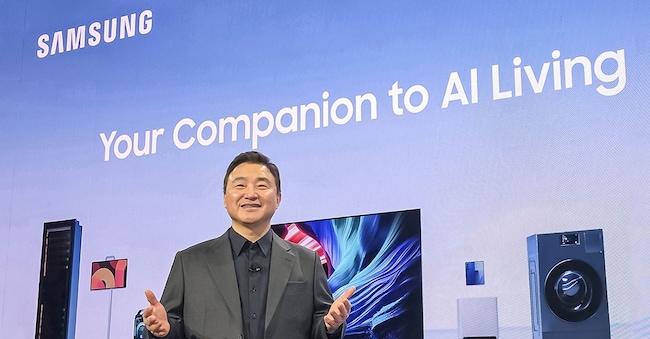
LAS VEGAS (USA) - We are in Las Vegas, the home of gambling, mind-blowing shows and big events. As is tradition, the beginning of the year sees the CES, the great electronics and technological innovation fair where the big brands present their most innovative products and start-ups showcase themselves in search of a place in the sun. This edition marks a major novelty: Samsung, an outstanding presence for decades, decides to go it alone and anticipates the actual opening of the event, which will be held from 6 to 9 January, with a presentation in the luxurious halls of the Wynn, a colossal gilded hotel with thousands of rooms that characterises the northern skyline of the Strip. No booths in the Las Vegas Convention Center. Nonetheless, the programme is reminiscent of the old formula, with a parade of managers presenting the future of consumer electronics according to the Korean brand.It all starts with Samsung's mission: to free man from the burden of housework and, of course, the tool that this year will enable yet another step forward on this ambitious road is AI. CEO Roh Tae-moon appears visibly excited at the first meeting with the public and declares that AI will facilitate the company's task of creating products that can understand and anticipate users' needs by adapting to the conditions and times of day. Samsung aims to bring Gemini AI to 800 million devices by 2026, across its entire product line, doubling the number of those already active and strengthening its collaboration with Google as its main artificial intelligence partner. Awareness of Galaxy AI has risen to 80 per cent from 30 per cent a year ago, demonstrating that AI has become a distinctive element in consumers' purchasing choicesFrom fridges to tablets, via televisions, washing machines, dryers, washing robots and so on, all will be able to contextualise functions and make life easier for users. This is not a new statement as it has been the company's fixed point for decades now and it seems that Samsung pursues this goal with the handbrake pulled. It is the manufacturer of home appliances and electronic devices with the greatest variety in product types and considerable R&D and market power, but the ecosystem does not dare. It remains closed on its own products and does not try to create standards to spark a revolution that is within its reach, although obviously complex. So what happens in this presentation? That a lot of interesting or even exceptional products arrive that we hope will work well with each other and, one day, with those of other brands to create a smart ecosystem in the home within everyone's reach.

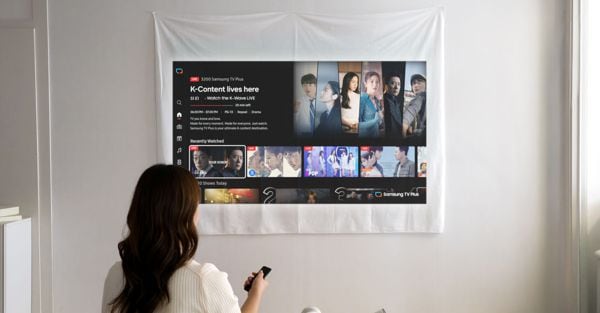
It starts with televisions, a sector in which Samsung is celebrating 20 continuous years as the global market leader this year. Immediately two wonderful, and huge, MicroRGB screens come on stage, the ones equipped with the technology that the president believes will dominate the future of TVs in the coming decades, but the focus quickly shifts to the interface and new functions. Thanks to the new version of the Vision AI Companion, the TV knows what's happening on the screen and allows, via AI Soccer Mode and AI Sound Controller Pro, things like suppressing the commentary of a sporting event and adjusting the volume of background noise or music without affecting other components. In addition, integration with Google's LLM allows you to ask the device questions while watching content and, for example, ask how to prepare the dish they are showing on the screen. The TV will be able to provide a recipe from the web which, if it comes from YouTube, can be turned into a step-by-step guide to read in no time. Another voice command is enough to send it to another TV set, perhaps the portable one in the kitchen. A prime example of how devices talk to each other and work together to make everything easier, but only if you have a 'Samsung home'.
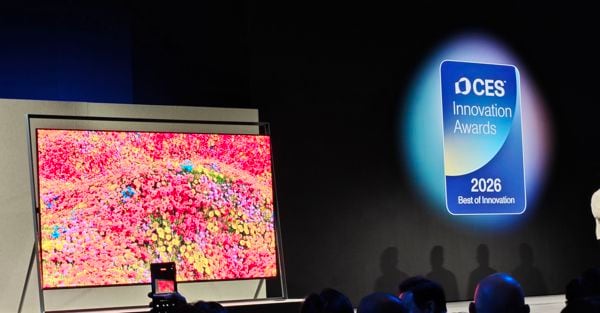
02_MicroRGB
The shift in focus to the kitchen is no accident. This domestic environment becomes central to Samsung's presentation because it is not only the place where meals are prepared, but a space where the second AI 'brain' of the home resides: the Family Hub refrigerator. With the evolution of AI Vision enabled by the integration of Gemini, it now promises to always know what's inside, what's missing from frequently used foods or ingredients, and what's about to expire. This is where the concept of simplifying the user's life comes in, reducing the mental friction associated with meal planning, suggesting recipes consistent with what is available and turning cooking videos into ready-to-use operating instructions. It's not just about convenience: the idea is for the fridge to become a true daily assistant, capable of connecting to SmartThings Food, sending recipes to other appliances and adapting the suggestions to the habits and goals of those in the home.
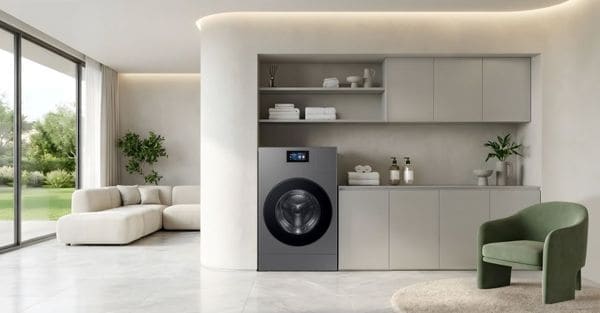
Around the Family Hub revolves a broader vision of the 'Home Living Companion', in which each appliance stops being a passive object and takes an active role in the management of everyday life. Laundry is the third most involved sector: the Bespoke AI Laundry Combo eliminates the manual switch between washing and drying, while new fast modes and more efficient cycles aim to save time on busy days. Alongside it, the AirDresser Bespoke AI promises to simplify garment care. No more irons and hangers around the house: with its automatic functions, just hang them up to remove creases and freshen clothes.