
Sanctions against Israeli settlers: tentative progress in Brussels
A proposal is on the way but it is unclear whether it will be approved by a majority or unanimously. High Representative Kallas: the option that has received the most support involves banning products from the Occupied Territories
from our correspondent Beda Romano
 Aggiungi Il Sole 24 Ore
ai preferiti su Google
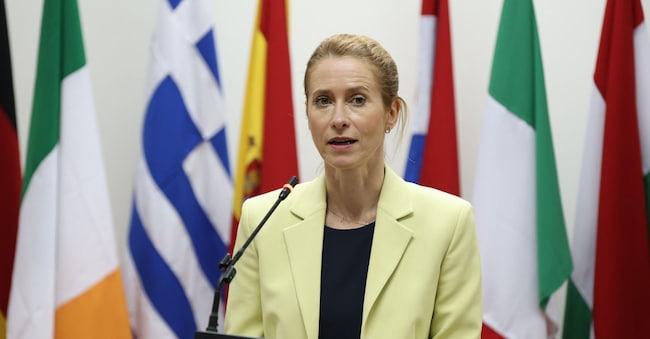
BRUSSELS – Amidst pressure from some quarters and uncertainty from others, the prospect of imposing sanctions on Israel over its war against the Gaza Strip and Lebanon took a (small and tentative) step forward yesterday. The European Union’s foreign ministers have mandated their representatives here in Brussels to negotiate a proposal for sanctions. It remains to be seen whether this proposal, once set out in writing by the European Commission, would require approval by a qualified majority or by unanimity among the member states.
At the centre of the discussions was a list of possible measures against Jerusalem. At the end of the meeting, the High Representative for Foreign Affairs and Security Policy Kaja Kallas stated: “The option that received the most support (she did not mention a majority, ed.) was the one involving a ban on products from the territories illegally occupied” by Israel. Ms Kallas did not specify the number of countries in favour.
In recent months, repeated acts of Israeli violence – first against the Gaza Strip and then against Lebanon – have stirred strong public sentiment in many member states, which even those governments traditionally closest to Israel cannot entirely ignore. According to the High Representative, many member states are now prepared to impose sanctions on Jerusalem by banning products from the occupied territories.
An opinion issued by the Council’s legal service considers that any such measure would be of a commercial nature and would therefore require a qualified majority for approval. Individual countries hold differing positions. Italia maintains that the issue is political, and therefore favours unanimity. Foreign Minister Antonio Tajani said here in Brussels: “We are not opposed to the measure out of hand.” “It is a political measure rather than a trade one, because it is a choice designed to guarantee the independence of the West Bank.”
According to information gathered here in Brussels, at yesterday’s meeting some countries did not express themselves with sufficient clarity. The legal issue itself (majority or unanimity) is a factor that could either speed up or hinder any decision. Moreover, it is not even clear whether there would be a blocking minority to prevent a majority vote. The High Representative has not ruled out an extraordinary meeting of ministers if a possible compromise can be found at diplomatic level. The decision-making process is overshadowed by the upcoming Israeli elections, scheduled for 27 October.


