
Sandro Scollato: ‘Urban green spaces: we now need regular planning’
Establishment requires maintenance, and there is a risk that resources will dwindle just when the need for care is greatest

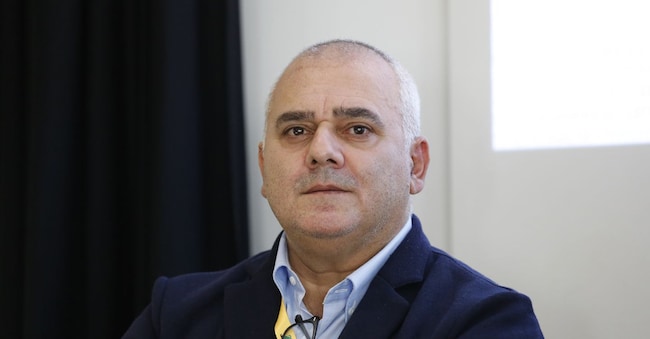
This summer’s record-breaking heat is raising awareness that urban greenery is not merely an accessory or ornamental feature, but a necessary piece of infrastructure for making cities liveable – cities where tarmac, pollution, traffic and air conditioning intensify temperature spikes and heatwaves. Trees play a vital role in regulating temperatures and air quality, not to mention protecting the soil. But, as with any infrastructure, ‘it requires planning, maintenance and sustained funding’, explains Sandro Scollato, managing director of AzzeroCO2.
The NRRP has given a major boost to tree planting, but the young trees need looking after, and rising temperatures and drought are not helping them to take root. Now that the NRRP has come to an end, what happens next?
The NRRP has, in just a few years, channelled resources and planning capacity into urban and peri-urban afforestation in the 14 metropolitan cities. But a tree does not produce its benefits straight away. In the early years, irrigation, care, monitoring and the replacement of plants that fail to take root are required. This is the most delicate phase, especially with summers like the one we have just experienced. The scheme took this into account: among the requirements was a five-year cultivation plan, covering replacements, irrigation, the clearing of wild vegetation and the treatments necessary for the trees to take root and thrive. The challenge following the PNRR is to ensure these obligations are met right through to the end of the specified period, preventing delays, problems with contract management or inadequate monitoring from jeopardising the survival of the new plants.
How can we move towards measures that make investment in public green spaces a structural priority?
The NRRP has shown that concentrating resources, objectives and deadlines can speed up projects, but this momentum must now be channelled into cities’ regular planning processes; otherwise, there is a risk of a ‘step-like’ effect: a rapid increase in tree planting, followed by a decline in resources just as the need for care and continuity increases. Urban green spaces must be treated like any other infrastructure: protected by regulations, supported by multi-year funding for maintenance, managed by specialists with specific technical expertise, and integrated into urban planning.


