
School decree: work is underway on securing funding; the text is due at the Quirinale on Monday
Fines of up to 1,000 euros, exemptions from class size limits and 17.5 million to boost Italian language teaching. The ISEE threshold for school textbooks rises to 40,000 euros

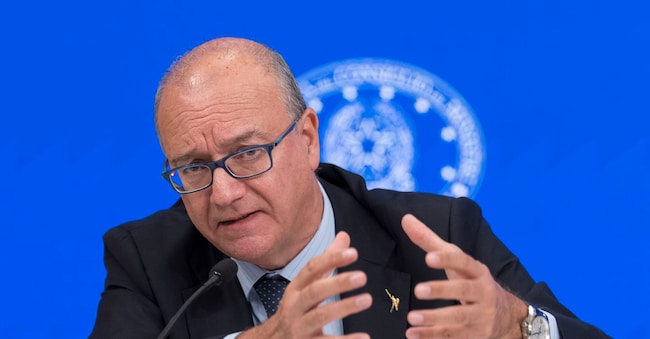
The education decree has been given the go-ahead by the Council of Ministers, but work on securing the necessary funding is still ongoing. The decree has not yet reached the Quirinale: it could be submitted to the Head of State for consideration on Monday.
The changes: bans, Italian language courses and textbooks
The decree provides for fines of between 200 and 1,000 euros for anyone who turns up at school with their face covered. The ban applies to burqas and niqabs, but also to surgical masks, which are permitted only in the event of illness. If the offence is committed by a minor, the fine is imposed on the parents.
The same penalty applies to families who do not attend the free Italian language courses. Compulsory attendance applies when neither the student nor the family speaks the language, and this lack of language proficiency may hinder the student’s integration and academic performance.
The measure also allocates an additional 8 million over two years to the Permanent Fund to Combat Cyberbullying and 21 million annually to make textbooks free, either in full or in part, for less well-off families. The ISEE threshold for eligibility for the benefit rises from 30,000 to 40,000 euros. 70 million is allocated to tutor teachers. The Individual Education Plan (PEI) adopted at the start of the school cycle will only need to be updated if new information arises.
Foreign pupils: the 30 per cent cap, exemptions and figures
The 30 per cent limit per class applies to pupils who are not Italian nationals and who lack sufficient schooling. Exemptions may be granted on the basis of place of residence and proven family circumstances. For schools that are still unable to meet the threshold, a fund of 17.5 million has been allocated to enhance Italian language learning. Coordination by provincial education offices with schools in their area is being strengthened.

