
School, from support teachers to architectural barriers the knots to be ironed out
In 2023/2024 359,000 pupils with disabilities (4.5%) attended Italian schools: 6% more than the previous year and 26% more than 5 years ago

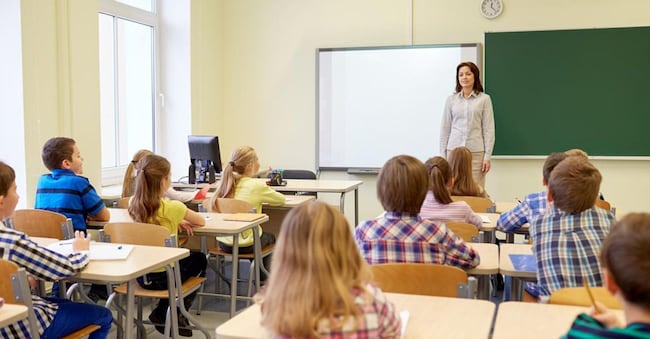
Autonomy assistance, architectural barriers, inclusion and transport are among the knots to be tackled to guarantee the right to education for students with disabilities: a population that has grown by about 75,000 in just a few years (+26%). To improve the quality of services, school policy has made over 300 million euros available through various types of intervention, but these resources, calculations in hand, do not seem adequate to cover all needs.
Let us start with the numbers of inclusion. In the school year 2023/2024 almost 359 thousand pupils with disabilities (4.5%) attended Italian schools. According to estimates by the Ministry of Education and Merit, this is about 6% more than the previous year and 26% more than five years ago. Growing, however, are also the teachers. In particular, the proportion of support teachers with specific training has risen from 63% to 73% in four years, but there are still many non-specialised teachers (27% on average).
Unique Classes
An issue at the heart of education is the relationship with peers, which plays a fundamental relational and educational role. On average, pupils with disabilities spend 29 hours a week in the classroom but, despite the benefits, the number of teachers in favour of special classes is growing. 27% of those interviewed in the survey Le voci dell'inclusione (The voices of inclusion) by Centro Studi Erickson would be in favour of the return of the "three-way educational model", which reserves full inclusion only for mild disabilities, allocating special classes and schools to the most complex cases. The figure, up by 10% compared to two years ago, on the one hand can be interpreted as an indication of the difficulties experienced by teachers in the daily practice of inclusion, on the other hand, however, it marks a defeat because from school inclusion passes also social inclusion. Moreover, the trend is in stark contrast with the integration paradigm that Italy chose, almost 50 years ago and among the first in Europe, with Law 517 of 1977, which sanctioned the overcoming of differential classes.
Support teachers
It is not always easy for students with disabilities to receive the support they need: the number of hours of support is often insufficient (15.6 hours is the weekly average per pupil) and dedicated teachers, when they exist, are precarious. Thus, 57% of the students change their reference figure from one year to the next and 8.4% during the same school year, with the risk of causing discomfort and slowing down learning.
In order to meet the needs of pupils with disabilities, the school workforce also includes approximately 80,000 assistants. These specialised assistants are financed by the local authorities and their distribution over the territory is therefore affected by the amount of social expenditure of the municipalities. On a national level there are 4 pupils per assistant but demand is not fully met and it is estimated that more than 15,000 pupils need support but do not use it.
Brand connect


Newsletter Scuola+
La newsletter premium dedicata al mondo della scuola con approfondimenti normativi, analisi e guide operative
Abbonati