
Schools: here are the towns that are postponing the start of term due to the heat
Just one in thirteen schools. This is the proportion of Italian schools equipped with air-conditioning or ventilation systems, according to the latest Report on School Safety by Cittadinanzattiva, presented to the Chamber of Deputies

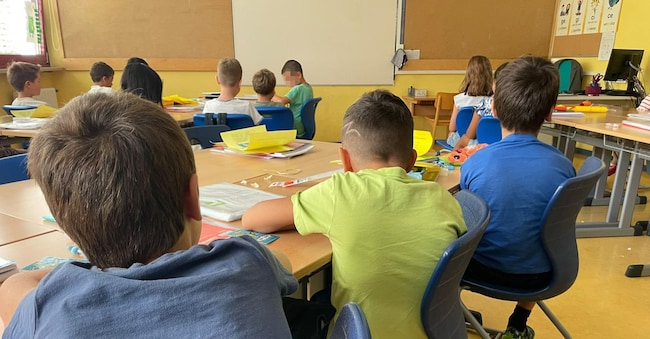
Just one in thirteen schools. This is the proportion of Italian schools equipped with air-conditioning or ventilation systems, according to the latest Report on School Safety by Cittadinanzattiva, presented to the Chamber of Deputies. The total figure stands at 4,457 buildings, representing 7.42 per cent of the total, an increase of just 490 buildings compared with the previous survey. This is a topical issue, which has in fact been at the centre of debate in recent weeks, as pupils return to school.
WHO Europe has defined extreme heat as an urgent and growing health threat, highlighting how European school buildings were not designed to withstand current temperatures, turning them into veritable “heat traps”. “This year’s data highlight a critical situation that we can no longer ignore”, said Adriana Bizzarri, head of the Education Department at Cittadinanzattiva, calling on the government to introduce “a multi-year plan for the climate adaptation of schools” and to make an annual investment of at least one billion euros, half of which would be allocated to the climate plan.
Postponements
It is precisely this structural shortfall that is leading, across the region, to postponements and emergency measures regarding the start of the school year. In San Lucido, in the province of Cosenza, a mayoral order has postponed the start of lessons from 15 to 21 September: the measure applies to all schools in the municipality, both state and state-recognised private schools, and cites the lack of adequate air-conditioning or cooling systems in the school buildings as the reason for the decision, which exposes pupils and staff to the risk of spending many hours in overheated environments.
In Rosolini, in the province of Syracuse, activities are suspended from 15 to 18 September, with the resumption of classes also scheduled for 21 September. Here, the postponement is not solely due to the heat: in addition to issues with air-conditioning and ventilation, there is a need for special pest control and rodent extermination work in school buildings. The two situations are distinct: in San Lucido, the heat is the direct cause of the postponement, whilst in Rosolini it is in addition to other issues affecting the buildings.
Closures in Palermo in the event of a ‘red alert’
Even where lessons are due to start as normal, local councils are taking a piecemeal approach precisely to compensate for the lack of air-conditioning systems. In Palermo, Mayor Roberto Lagalla has ordered the closure of municipal schools in the event of a ‘red alert’ due to high temperatures, with the exception of schools equipped with functioning air-conditioning systems, as certified by headteachers; for the others, distance learning will be implemented. In Serracapriola, in the province of Foggia, from 10 to 19 September, the 136 primary school pupils and 82 nursery school children were exempted from wearing their school uniforms due to the high temperatures, until weather conditions allow them to do so again.
Brand connect


Newsletter Scuola+
La newsletter premium dedicata al mondo della scuola con approfondimenti normativi, analisi e guide operative
Abbonati