
Sea temperatures at ‘thermal’ levels: mussel production has almost come to a standstill in the Adriatic
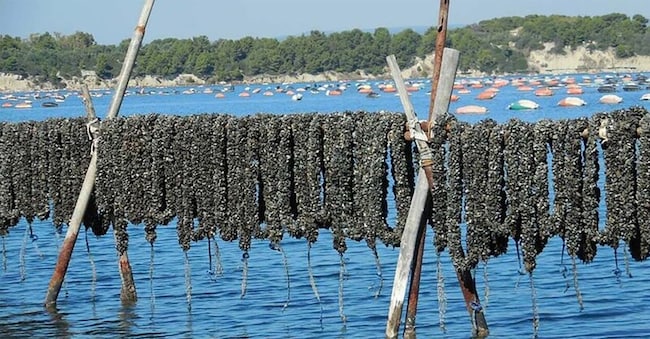
The epicentre of the mussel die-off is the area between Goro and Porto Garibaldi in Emilia-Romagna, where over 60 per cent of the region’s offshore mussel farming industry is concentrated

Key points
Anyone who has taken a dip in the sea this summer will have found the water warm – too warm, in fact. It’s not a particularly pleasant sensation, especially if you’re looking for a bit of relief from the sweltering temperatures on the beach, not to mention those in the city. Just imagine the difficulties faced by the organisms living in those waters, which are even less accustomed than humans to sea temperatures that are almost ‘thermal’.
Mussel farmers in the Upper Adriatic are in serious difficulty
For example, mussel farmers in the Upper Adriatic are facing extreme difficulties due to the high water temperatures.
What meteorologists have dubbed ‘the fifth heatwave of the summer’ – the one at the end of August – proved disastrous for mussel production in Emilia-Romagna, following in the wake of what had happened in the Venetian lagoon just a few weeks earlier. This was revealed by a monitoring exercise carried out by Confcooperative Agroalimentare e Pesca.
Goro and Porto Garibaldi account for 60 per cent of Emilia-Romagna’s production
The epicentre of the mussel disaster is the area between Goro and Porto Garibaldi, where over 60 per cent of the region’s offshore mussel farming industry is concentrated. Over 90 per cent of the crop has been lost, in a perfect storm of excessively warm waters and anoxia (i.e. a lack of oxygen) – in practice, 20–25,000 tonnes that were ready for sale as seed stock for next year’s production.
The estimated cost of the damage has already reached 50 million euros
“Direct losses totalling over 50 million euros, a figure set to rise,” explain representatives of Confcooperative, “especially given that the drastic reduction in seed supplies will lead to a slump in production next year.”


