
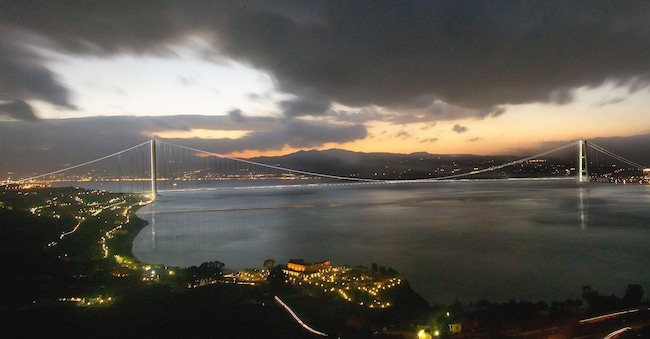
Tidal waves, birds and cetaceans: the Strait Bridge at the environmental impact test
The Strait Bridge project has entered the heart of the environmental impact assessment, which must be concluded within 60 days

3' min read
3' min read
The last step was the delivery on 12 September of the supplementary documents to the Via Vas Commission of the Ministry of the Environment, as requested by the ministry headed by Gilberto Pichetto Fratin in April 2024 with a long list of elements to be clarified for the construction of the work. But now, with this latest step, the Strait Bridge project has entered the heart of the environmental impact examination, which must be concluded within 60 days. In addition to Mase's requests, the dossier has been enriched with new elements to answer the Ministry of Culture's questions and the observations submitted by the public and associations.
"Some focuses, in particular, envisaged field surveys, such as further faunal, bathymetric and underwater surveys, which required incompressible technical time in order to provide timely and exhaustive answers," said Pietro Ciucci, the concessionaire's managing director. "The Company has invested and will continue to invest heavily for the environment and sustainability of the work in full awareness of the complexity of the ecosystems of the territories involved. The goal is to receive the go-ahead from the CIPESS by the end of the year. But other bureaucratic steps separate the project from the many green lights needed to lay the first stone. These include first of all the Pef, the pillar of economic sustainability, but also the Services Conference.
Via-Vas Countdown
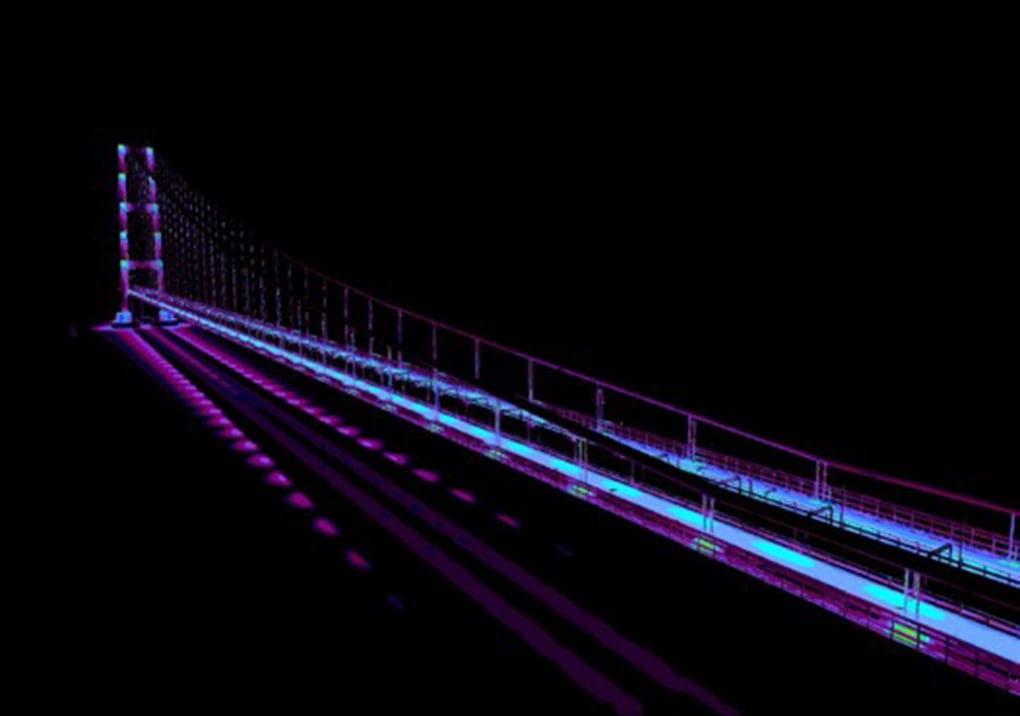
.But in the meantime, the two-month countdown to the green light from the Via-Vas Commission has begun. Stretto di Messina has presented a dossier with a number of innovations ranging from the water supply of the construction sites to the impact on bird migration, including the effect of light and shadow on cetaceans and the chapter on tidal waves. "We have revised the overall balance of expected consumption according to the type and quantity of work, and those relating to the management of work-site activities, and specified the relative supply methods according to the type of work and its location," the company told Il Sole 24 Ore.
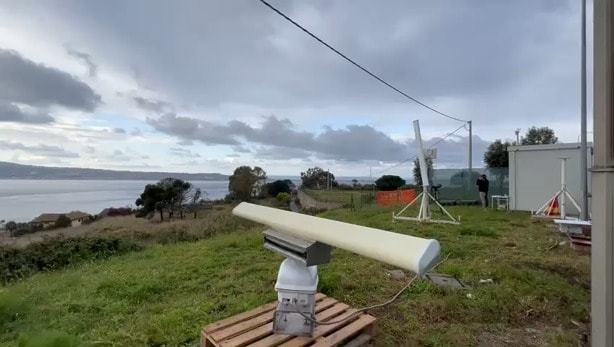
As far as the environment is concerned, Stretto di Messina states that it carried out an "in-depth study between March and May, the period corresponding to that of the main spring migration" and that "during the monitoring period, the average flight altitudes of migratory birds, referred to sea level and measured by vertical radar, were significantly higher than the height of the bridge and towers". There is also for cetaceans, however, and from the light and shadow created by the work. "In this regard, we have provided scientific evidence that the significant optimisations on the lighting system that have been implemented make it possible to avoid the diffusion of light both towards the sky and the water surface," explains the concessionaire.
"We have estimated," the dossier concludes, "that the sea surface will be illuminated by a small amount of light of low intensity, obviously diminishing with depth, so the relative effect on the behaviour of cetaceans is believed to be nil. The same goes for the shadow generated by the Bridge, which "is highly variable in terms of density and configuration, constantly changing according to weather conditions, over the course of the seasons and the arc of the day, as shown by the simulations carried out".


