
Varietal innovation in fruit and vegetables: mini watermelons and seedless grapes dominate the Italia market
Genetic research revolutionises fruit consumption with new resistant and more practical varieties, driving production growth and changes in consumer preferences

Key points
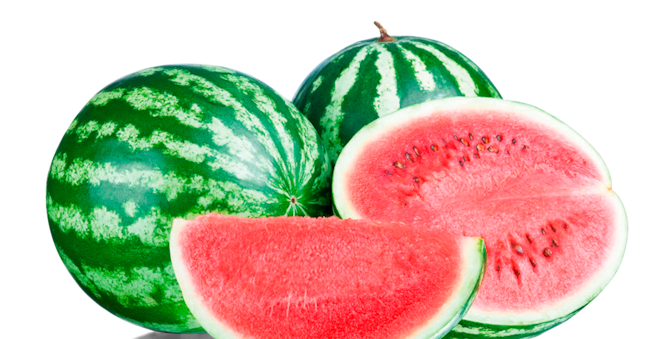
Seedless grapes, mini and midi watermelons, nutraceutical tomatoes: born to resist climate change and pathogens, the 'fruits' of varietal innovation (even without the teas) delight palates and climb the sales charts. One example above all: the popularly called 'baby' watermelons, those that do not require biceps of steel for transport: in 2025 they outperformed traditional watermelons, confining them to a niche market (9%): vsales in the large-scale retail trade have now become the realm of mini (60%) and midi (31%), as attested to by data from the Cso-Italy during the just concluded edition of Fruit Logistica, in Berlin.
Traditional varieties goodbye?
"In 2015," comments Elisa Macchi, director of Cso-Italy, "the situation was quite different: the traditional ones dominated, with a 48% market share, the others shared 52%, with a clear prevalence of the minis. This push for innovation has also benefited agriculture: the areas devoted to watermelon have grown from 16 thousand to 18 thousand hectares from 2022 to 2025 and, again last year, production in Italia touched the peak of 1.2 million tonnes (it was one million in 2022).
It has also happened to grapes, which now assort shops in every colour and format and over which legal battles are being waged between multinationals and growers over the management of royalties. According to the cadastre of table grapes drawn up by Cso-Italy, the year 2024 shows a clear prevalence of seedless (or seedless) grapes at 58%, versus traditional grapes at 42%, confirming the strong shift underway (the previous survey had a 47%-53% ratio). "The plants planted in recent years," Macchi confirms, "are strongly oriented towards seedless varieties.
This is also the case for apples: the latest Ismea data on 2025 production confirm an increasingly rich varietal assortment, with Golden Delicious (the most represented cultivar), Gala, Granny Smith, Fuji and Red Delicious, which together exceed 300,000 tonnes (out of an estimated production of 2,317,715 tonnes this year).
seedless cherries and thornless blackberries
The next fruit and vegetable frontier is the seedless cherry. In the US, two world leaders in varietal innovation have hit the mark: Sun World International and Pairwise. The former, known globally for introducing some of the world's most popular seedless varieties, has been active in breeding and varietal licensing for decades; the latter, founded by the inventors of the Crispr technology (which won Jennifer Doudna and Emmanuelle Charpentier a Nobel Prize), has developed a platform to accelerate genetic improvement processes. But the product is not on the market. Also using Crispr technology, Pairwise has produced thefirst blackberry without thorns.

