
Career separation, Nordio on Radio24: 'There will be no risk of supercops'
"Italy is not a country where you can build prisons in a year or two with all the geological, urban planning and architectural constraints we have, so you have to resort to prefabs."

2' min read
2' min read
On 22 July 2025, the Senate approved the constitutional bill on the separation of careers. After the first green light from the Chamber, this is the second and decisive step in the reform of justice. For the final OK we will have to wait for a new double reading, scheduled for autumn.
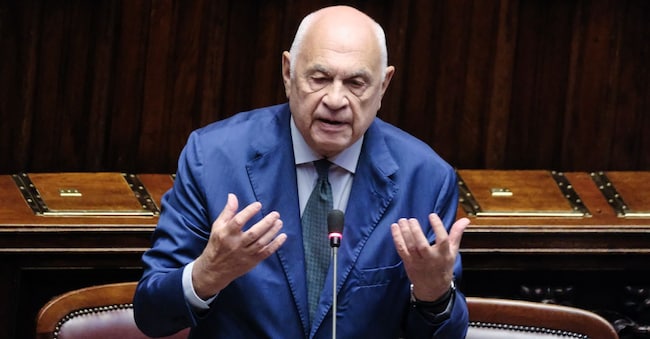
Immediately after the verdict of the Chamber, the ministers celebrated with statements and smiles in the corridors of the Palace. Among them was Minister Carlo Nordio, who declared: 'I am very satisfied, I have realised an aspiration of mine'. The Guardasigilli spoke of an 'important step' for an 'epoch-making reform'.
In view of the referendum, which is considered essential for such a 'delicate matter', the minister extends his hand to the judiciary: 'I hope that dialogue will resume with greater serenity'.
The minister spoke about career separation and the prison decree this morning at 24 Mattino on Radio24 interviewed by Simone Spetia
Here are, respectively, the two steps
.Career separation
The culture of legality does not lie in belonging to an order such as that of the public prosecutor or the judging magistrate, but lies in the head of the magistrate.I have been a public prosecutor for forty years and I do not think I have ever had the culture of the supercop. The independence of the magistrate does not depend on these things, it depends on his common sense, his humility, his preparation, his culture, his ethics. These are just slogans, so much so that in all democratic countries like America, England, Spain and in France they are separate from the judges and no one dreams of assimilating them to policemen. The independence of a person is not worth this formal affiliation to the Pm or the judiciary. I repeat, these are all slogans that have no meaning other than to repeat in an almost petulant manner this perspective, which among other things is contradictory because some say that the danger lies in the Prosecutor becoming too powerful and therefore a super-cop, while others, again from the opposition, say that the Prosecutor becomes an instrument in the hands of the executive power. At least let them come to an agreement'.
Prisons Decree

