
Frontier research

Severe autoimmune diseases, with Car-T therapy stop immunosuppressive treatment in children

Not only tumour targets: the study conducted by the Bambino Gesù in collaboration with the University of Erlangen demonstrated the effectiveness of the chimeric antigen receptor approach and 7 out of 8 children are in complete remission

by Health Review

4' min read

Translated by AI
Versione italiana

4' min read

Translated by AI
Versione italiana

Eight patients suffering from severe autoimmune diseases refractory to conventional treatments were able to stop immunosuppressive therapies completely. Seven of them are now in clinical remission, while the eighth, suffering from juvenile systemic sclerosis, shows significant and progressive clinical improvement over time. This extraordinarily important result for the treatment of the most serious paediatric autoimmune diseases was obtained thanks to the use of Car-T cells directed against the target represented by the CD19 molecule. The final data, with a follow-up of more than 24 months, of the study co-ordinated by the Bambino Gesù Children's Hospital in collaboration with the University of Erlangen have just been published in Nature Medicine.


Loading...

Autoimmune Diseases


Auto-immune diseases are diseases characterised by an aggression of the immune system, which instead of defending the body against pathogens, such as bacteria and viruses, attacks an individual's healthy tissues mistaking them as foreign and dangerous. This malfunctioning causes an inflammatory process that potentially affects any part of the body, including vital organs such as the kidney and lungs, joints, skin, blood vessels and other tissues.
 

The 8 patients involved in the study, 7 females and 1 male between the ages of 5 and 17, 5 of whom were treated with Car-T cells by the Bambino Gesù specialists and 3 by the University of Erlangen, were suffering from particularly aggressive forms of paediatric-onset autoimmune diseases: 4 from systemic lupus erythematosus (a chronic disease that can attack various organs including the kidneys, central nervous system and lungs), 3 from dermatomyositis (a rare autoimmune inflammatory disease that predominantly affects the skin and skeletal muscles) and 1 from juvenile systemic sclerosis (a rare chronic autoimmune disease characterised by inflammation, vasculopathy, fibrosis of connective tissue, skin and internal organs). All had a complex clinical history, characterised by partial or only temporary response to numerous immunosuppressive treatments, including biological drugs directed against B lymphocytes, and severe involvement of vital organs, such as kidneys and lungs, with life-threatening episodes in more than one case.


Car-T cell therapy


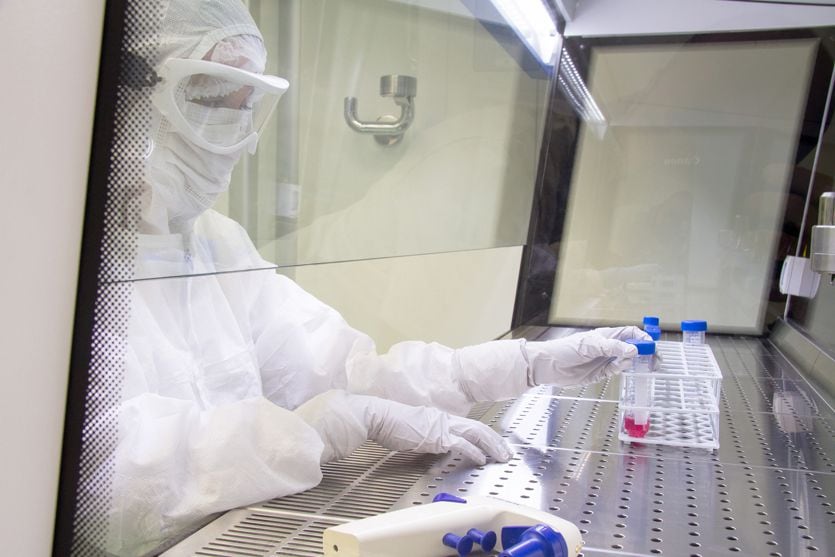
Car-T therapy involves manipulating the patient's T-lymphocytes in the laboratory to make them capable of recognising the tumour target through the introduction of a Dna sequence coding for a protein called Chimeric Antigen Receptor (CAR). In acute lymphoblastic leukaemias and non-Hodgkin's lymphomas, the CAR recognises a target represented by the CD19 antigen, expressed by the tumour cells, which are thus recognised and attacked. The same CD19 antigen is also expressed by the B lymphocytes of the immune system, which, in the case of B-mediated autoimmune diseases, play a crucial role in causing the disease. Targeted elimination of these cells makes it possible not only to reduce inflammation, but to restore the balance of the immune system, increasing the chance of lasting remission without chronic therapy. This is particularly relevant in paediatrics, where prolonged exposure to immunosuppressants can compromise critical organ function, growth, development and, most importantly, quality of life.


'With the anti-CD19 CAR-T cells, we have innovatively applied a gene therapy approach already consolidated in leukaemias and lymphomas to a completely different field, namely that of autoimmune diseases,' explains Franco Locatelli, head of the Oncohaematology and Cell and Gene Therapy area at the Bambino Gesù. In these diseases, the target is not a tumour cell, but the so-called self-reactive B lymphocytes that fuel inflammation and organ damage. The results published in Nature Medicine, obtained on eight patients followed over time, show that this approach can lead to profound and lasting control of the disease, with complete discontinuation of immunosuppressive therapies, a particularly important achievement in paediatric age. This further scientific publication confirms, thanks to the presence of an institutional Pharmaceutical Workshop, the pioneering role of the Bambino Gesù Hospital in the field of advanced therapies and, in particular, of Car T cells'.


The Studio


The data show that all eight patients have completely discontinued immunosuppressive therapies. Seven have achieved complete clinical remission, while in the patient with systemic sclerosis - a disease that by its nature evolves more slowly - a significant and continuous reduction in severity and stabilisation of organ involvement, without disease progression, is observed.


A marked and progressive reduction in disease activity has been documented in lupus patients, with complete remission and clinically relevant improvements even in the most severe forms, including those with advanced renal failure. In patients with juvenile dermatomyositis, recovery of muscle strength, regression of skin manifestations and a marked reduction in chronic and painful complications such as cutaneous calcinosis (i.e. calcium deposition), traditionally difficult to treat, have been observed.


"The results were extraordinary, we had never seen such a deep clinical remission with traditional therapies,' adds Fabrizio De Benedetti, head of the research area of Immunology, Rheumatology and Infectious Diseases at the Hospital. 'The data are particularly important because paediatric autoimmune diseases have a very high social cost in terms of quality of life for the patient and family as well as a significant economic cost for the health system. It is no coincidence that in the last four months we have treated 4 more children with CAR-Ts'.


The study also shows that the clinical benefits are maintained even after B-cell reconstitution, suggesting that CAR-T therapy does not act as a mere temporary suppression, but may induce a true 'reset' of the immune system. This is associated with signs of regression of organ damage, documented by follow-up kidney biopsies and radiological and functional examinations of the lung.


From a safety perspective, the adverse events observed were mild and transient, with no serious infections or long-term complications. The therapy proved to be well tolerated even in patients with extremely complex clinical conditions. The study was also carried out with the support of funds from the CN3 project, in which the Bambino Gesù Children's Hospital plays the role of coordinator for spoke 10, dedicated to gene therapy approaches.

Copyright reserved ©
Loading...

Brand connect

Loading...

Newsletter

Notizie e approfondimenti sugli avvenimenti politici, economici e finanziari.

Iscriviti