

Severe head injury: this is why we need a chronic care approach
The risk of death among survivors remains more than three times higher than in the general population, and life expectancy may be reduced by as much as 7–9 years

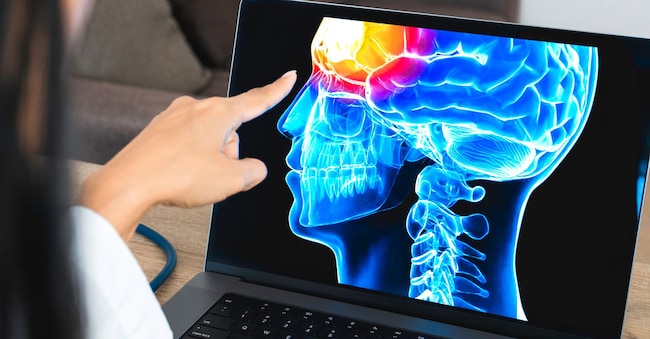
When a patient with severe head injury gets through the acute phase and, perhaps after months, emerges from a course of intensive resuscitation and rehabilitation, the common narrative tends to end there: they have survived; the battle has been won. An international meta-analysis to which we contributed as the Cardinal Ferrari KOS Centre, recently published in *Neurological Sciences* in collaboration with Villa Rosa of the Trentino Integrated University Health Authority, San Carlo Hospital in Potenza and the Melchiorre Gioia Scientific Society in Pisa, suggests that we should radically rethink this interpretation.
The study
The data, collected from over 60,000 patients followed for up to twenty years after the traumatic event, are unequivocal: the risk of mortality among survivors of severe head injury remains more than three times higher than in the general population (SMR 3.19), and life expectancy may be reduced by as much as 7–9 years. What is most striking, from a clinical point of view, is not so much the magnitude of the figure as its persistence over time. We are not talking about an excess risk confined to the first few months after the event, when acute complications are still present: we are talking about a phenomenon that remains significant even years later, and which affects younger patients with particular severity – precisely those who, under normal circumstances, would have a longer life expectancy to lose.
A chronic condition
As a clinician who has been treating severe acquired brain injuries for decades, I believe this study offers clear guidance to the medical community and healthcare decision-makers: severe head injury should, to all intents and purposes, be treated as a chronic condition. Not a one-off event to be resolved, but a health trajectory to be managed. The causes of this long-term excess mortality are not solely neurological: systemic comorbidities, respiratory and cardiovascular complications, metabolic frailty, risk of infection, and psychological consequences – all conditions that develop over time and require structured clinical monitoring, not left solely to the initiative of the patient or their family.
Safeguarding decades of life
In organisational terms, this means that follow-up care for patients who have suffered severe head injury cannot end with their discharge from an intensive rehabilitation setting. Medium- and long-term monitoring protocols are needed, integrating neurology, internal medicine, rehabilitation medicine and general practice, capable of detecting early signs of clinical deterioration before they develop into acute events. Above all, a cultural shift is needed: survival following severe head injury does not equate to recovery, and the remaining quality of life, however affected by disability, must be safeguarded with the same determination with which survival was safeguarded during the acute phase and with which the prevention of head injury is now safeguarded through the mandatory use of personal protective equipment.
As a healthcare system, we have rightly invested heavily in improving the immediate outcomes of severe head injury: response times, neurosurgical techniques and early intensive rehabilitation. It is time to invest with the same commitment in the next phase – the one that lasts for the rest of the patient’s life. Only in this way can we transform an alarming epidemiological statistic into a genuine opportunity for care, restoring quality of life and hope to those who, after a severe head injury, still have decades of life ahead of them.

