
How plant-selected microbes can save olive trees from drought
The aim of the ENEA research carried out with the CNR and the universities of Milan, Turin and Tuscia and published in Applied Science, is to develop an innovative cultivation system to save agriculture from climate change

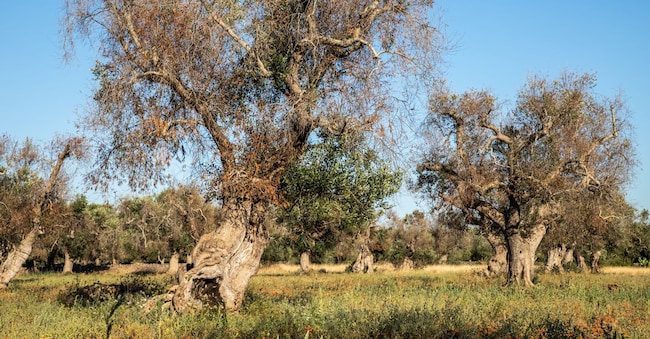
Tailor-made' microbes to save olive trees from drought and mitigate the effects of climate change. All through innovative agricultural practices that exploit theb>benefits of microbial communities in the soil and roots. This is the aim of the study, carried out by researchers at the Enea and conducted in collaboration with the Cnr and the universities of Milan, Turin and Tuscia, and published in Applied Science.
"The olive tree has been chosen as a model species to develop an innovative cultivation system, representative of Mediterranean agriculture, which is increasingly threatened by the drought phenomenon," emphasises Gaetano Perrotta, a researcher at ENEA's Circular Regenerative Bioeconomy Laboratory and project leader. With this study we wanted to analyse the resilience and functional adaptation of the microorganisms present in the roots and soil (the so-called rhizosphere) of four olive cultivars, comparing irrigated and drought-stressed plants in Umbria, in different seasons of the year'.
The activity carried out by ENEA researchers involved monitoring and characterising the microbiome living in the soil around the roots, with the aim of identifying markers of stress or resistance associated with arid conditions. The result? "We observed that in the soil, microorganisms remain quite stable even in conditions of water scarcity, thanks to the fact that many species perform similar functions," notes Andrea Visca, co-author of the study. In the roots, on the other hand, the microbial communities change considerably: the plant selects bacteria that help it resist water shortages better'.
Not only that. In the course of the study, the researchers went on to identify the so-called core microbiome, "i.e. the set of different microbial groups constantly present in different samples, which play a central role both in soil processes and in shaping the growth, health and resilience of host plants". Three bacteria have been identified as allies of olive trees against drought, each with complementary functions: 'Solirubrobacter, present in the soil and often associated with the decomposition of organic matter and the nutrient cycle, Microvirga, which can live in symbiosis with plants helping them to absorb essential nutrients such as nitrogen, and Pseudonocardia, known to produce antimicrobial substances and contribute to defence against pathogens'.
The study shows that, 'indrought conditions, microorganisms in the soil activate or increase genes needed to defend and adapt, such as those that improve the utilisation of key nutrients, protect cells from oxidative damage and allow bacteria to move to environments richer in water and nutrients'. For the experts, understanding the dynamics of these interactions is a priority for the development of sustainable agricultural practices. "By modulating root-associated microbial communities," the researchers point out, "it will be possible to improve the acquisition of nutrients and strengthen the resistance of olive trees to stress".

