
Soft drinks, the great heat did not drive consumption
Sales -4% compared to summer 2023, but types of beverages with a healthy footprint without caffeine and sugar or that focus on reducing calories are emerging. Lemonades and citronades are back in fashion

4' min read
4' min read
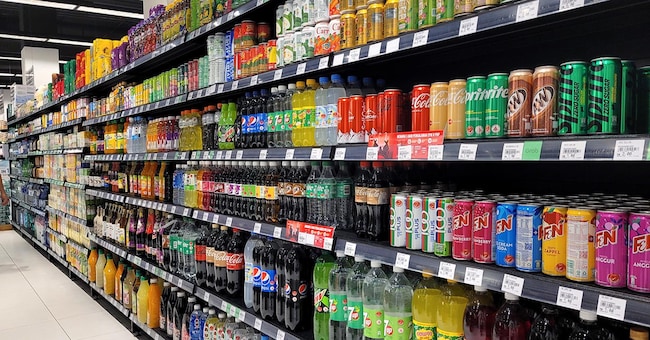
Among the records for summer 2024 is not the consumption of soft drinks: despite scorching temperatures and a boom in foreign tourists, volumes are lower than in 2023. In July, the large-scale retail trade sold 4 per cent less carbonated soft drinks and 2.5 per cent less thè cold than in the same month of 2023. A trend that has been going on for a while and which consolidates our role as last in the EU for per capita consumption of soft drinks (54 litres per year).
"Overall, in the space of 12 months, sales of soft drinks fell by -1.9% to 1.9 billion litres, while turnover grew by 5.0% to EUR 2.4 billion," explains Elena Pezzotti of Niq. So, the price increase did support growth in value but negatively affected volumes'. It is mainly carbonated drinks, which develop about 74% of the market, that are suffering: in one year they have lost 2.5% of volumes. However, thanks to a substantial increase in the average price per litre (+8.1%), they managed to collect 5.3% more than a year ago, exceeding EUR 1.7 billion.
If there are fewer soft drinks in shopping trolleys than in the past, things are no better at home either. "Orders from bars, restaurants and hotels have not increased compared to summer 2023," says Silvia Pepe, sales manager of Pepe Bevande, the historic Roman distributor that serves the entire historic centre of the capital - with a few exceptions, such as tonic waters (also very popular for mixology, ed.)".
That the scenario is not satisfactory is also recognised by the trade association Assobibe. "The data seem to show that, despite the great heat, there is still suffering for part of the consumer portfolio," says Director General David Dabiankov Lorini. "However, we know that we will have a clearer picture at the end of the summer season: we are in fact aware that the sector is in the height of the seasonal peak and we therefore hope that the picture will improve.
Also looming on the sector is the so-called sugar tax. "Planned to come into force from July 2025, it is a new tax that will increase consumer prices, damage the Italian supply chain, and has no effect on health. In Italy, moreover, it lacks the prerequisites given that sales of sugary drinks have been falling for ten years (-27%) and only account for 1% of calories consumed. It is a measure that has not produced positive results for public health in the countries where it has been introduced, with obesity trends still on the rise (WHO data): for this reason, several states around the world have begun to eliminate it. Thanks also to protocols signed with the Ministry of Health, sugar released for consumption by our companies has been cut by 41% in recent years, without any tax. This measure depresses the market instead of facilitating growth and competitiveness. The sugar tax, in fact, will increase taxation by 28 per cent,' comments Giangiacomo Pierini, president of Assobibe, the Confindustria association representing soft drink producers in Italy.

