
Somalia expels the UAE ambassador: ‘Open invasion’
The diplomatic rift marks the culmination of months of tension in the increasingly turbulent region spanning the Horn of Africa, the Red Sea and the Gulf
from our correspondent Alberto Magnani
 Aggiungi Il Sole 24 Ore
ai preferiti su Google
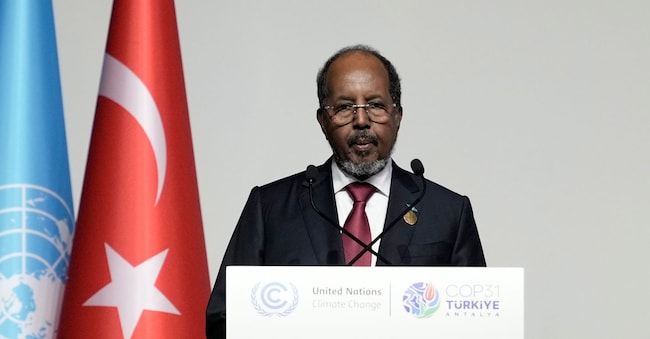
NAIROBI – The Somali government has given the United Arab Emirates’ ambassador a maximum of 72 hours to leave the country, accusing Abu Dhabi of an ‘open invasion’ against Mogadishu and its sovereignty. The expulsion marks a new chapter in the bilateral tensions between the Somali and Emirati authorities, against a backdrop of increasingly complex web of alliances and hostilities across the Horn of Africa, the Red Sea and the Gulf. The Minister of Information, Abdifatah Kasim Mohamud, has urged “all Somalis to defend their country and to unite against the open invasion by the United Arab Emirates, which threatens the sovereignty, security, territory and unity of the Somali people’, whilst threatening sanctions against anyone who ‘cooperates’ with Abu Dhabi. The United Arab Emirates has yet to comment on Mogadishu’s decision.
Escalating tensions and denials from the Emirates
The escalation has been intense, but it marks the culmination of months of increasingly acute tensions along the axis linking Mogadishu, the Gulf and Abu Dhabi. As recently as 17 November, Somali President Hassan Sheikh Mohamud accused the UAE of interfering in Mogadishu’s domestic politics and supporting separatist governments within the country, starting with the most sensitive case: the self-proclaimed Republic of Somaliland, which had recently received Israel’s endorsement at the end of 2025 and is now seeking support from Donald Trump’s US administration. Back in January, Mogadishu had already severed its port, government and defence ties with Abu Dhabi, again in the wake of accusations of ‘destabilisation’ in collusion with autonomist governments and of violating territorial integrity. The rift included agreements on ports such as Berbera, operated under a thirty-year contract by the Emirati company DP World and considered fundamental to the Emirates’ expansion strategy along the African coast.
The Emirates have woven an increasingly dense network of economic, diplomatic and military ties across the continent, rising to become the world’s leading investors. Abu Dhabi claims to have invested US$110 billion in Africa between 2019 and 2023 alone, in a financial drive dominated by a number of key areas: energy diversification, particularly towards renewables, with investments totalling US$70 billion, alongside the development of port infrastructure, the digital economy and agriculture. The monarchies’ expansion across the continent has been accompanied by controversy and a lack of transparency regarding their role, ranging from accusations of land grabbing in East Africa to their alleged involvement in conflicts or illicit operations. The Sudanese government accuses Abu Dhabi of supporting the Rapid Support Forces paramilitary group, a link consistently denied by the Emirati authorities. A report by the SwissAid Foundation accuses the country of being a prime destination for gold smuggled from Africa, accounting for 453 of the 591 tonnes that entered the country illegally in 2024.


