
South Africa, injecting radioactive material into rhinos: researchers' plan against poaching
These are unstable isotopes that, even at low levels, can be detected by detectors at airports and borders, which can lead to the arrest of poachers and traffickers.

1' min read
1' min read
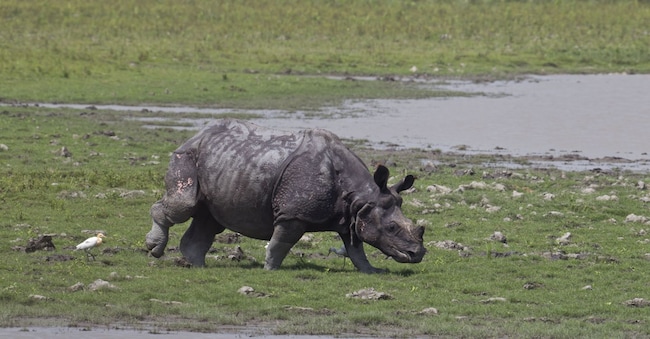
The South African University of the Witwatersrand, together with nuclear energy officials and environmentalists, has launched a campaign against poaching. The project involves injecting radioactive isotopes into the horns of rhinos. These are unstable isotopes that, even at low levels, can be detected by detectors at airports and borders, which can lead to the arrest of poachers and traffickers.
Researchers at the University of the Witwatersrand have made it known that the radioactive material is not harmful to animals, as confirmed by tests.
The International Union for Conservation of Nature, meanwhile, estimates that theworld's rhino population at the beginning of the 20th century was around 500,000, but that it has now dropped to around 27,000 due to the continued demand for rhino horn on the black market.
South Africa has as many as 16,000 rhinos but, unfortunately, experiences intense poaching activity with around 500 rhinos killed each year.

