

Stomach cancer, early diagnosis in less than 20% of cases and appropriate treatment pathways needed
In Italy, mortality in men under 50 has decreased by 38.6% in 15 years, but patients demand that the Diagnostic-Therapeutic Pathway be included in the Essential Levels of Care to guarantee the same opportunities for all
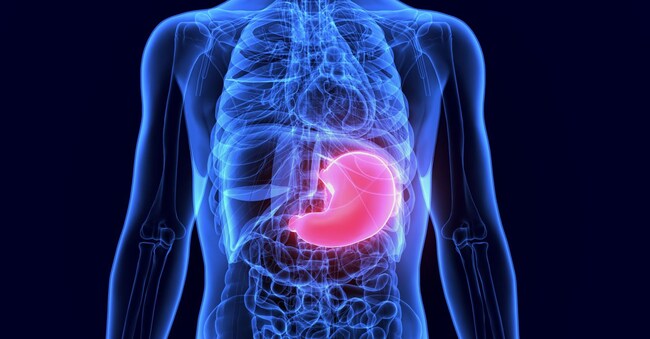
In Italy, less than 20% of cases are discovered at an early stage, when the chances of cure are high and 5-year survival can reach 90%. In order to increase the number of early diagnoses, to guarantee all patients appropriate therapies, and to eliminate territorial differences in access to immunohistochemical diagnostic tests, which are fundamental for a correct molecular characterisation of the tumour, we need a national diagnostic-therapeutic care pathway (Pdta) for gastric cancer, which, however, is not envisaged in the recent update of the Essential Levels of Care (Lea) approved by the State-Regions Conference.
The request came from patients and experts during the 8th National Conference of 'Vivere Senza Stomaco, Si Può Odv', organised in Rome.
Without screening
"Gastric carcinoma, unlike colorectal cancer, another gastrointestinal neoplasm, lacks screening programmes that allow early diagnosis," says Claudia Santangelo, President of 'Vivere Senza Stomaco, Si Può ODV'. "This is why it is essential to improve the level of awareness of citizens on risk factors and primary prevention rules, which concern healthy lifestyles, in particular the correct diet, which is fundamental to avoid the development of the disease. Not only that. In Italy, 72,900 people live after being diagnosed with stomach cancer. It is necessary to help them in the difficult path of treatment and to protect their rights. We call for the establishment of a national Pdta for gastric cancer, flanked by harmonised regional Pdta to improve care. Only a national Pdta can guarantee multidisciplinary care within reference centres and systematic interaction between the professional figures involved. Treating people with stomach cancer requires a multidisciplinary approach, starting from diagnosis, which can improve survival and quality of life for patients'.
Food enters the Lea
'In addition,' Claudia Santangelo continues, 'it is important that adequate nutritional support is guaranteed, which is fundamental for dealing with gastric cancer, before, during and after treatment. We call on the institutions to ensure that foods for special medical purposes are included in the Lea, that is, in the list of treatments guaranteed to all citizens. They are supplements that must necessarily be taken by those undergoing chemotherapy before surgery or by those who have just undergone it. To date, access to food for special medical purposes is still limited with serious territorial disparities and often places an economic burden on patients'.
Decreasing cases
In 2024, about 14,100 new cases of stomach cancer are estimated in Italy (down from 15,000 in 2023). The 5-year survival rate is 32%, compared to the European average of 25%. Furthermore, in our country, mortality from gastric cancer in men aged 20-49 has decreased by 38.6% in 15 years (2006-2021). 'The progress in therapies is evident,' explains Nicola Silvestris, National Secretary of Aiom (Italian Association of Medical Oncology). Surgery represents the main treatment with curative intent in patients with non-metastatic stomach cancer. The high rate of loco-regional or distant recurrences after surgery has led to the development of a multimodal approach in operable disease, based on the use of chemotherapy before and after surgery, which is currently the reference scheme in this patient population'.
The therapies in the field
'Today, in metastatic disease,' Prof. Silvestris continues, 'we have several options available, from chemotherapy to targeted therapies to immunotherapy, which can be used in combination. Tumour characterisation with diagnostic immunohistochemistry tests must be performed in every patient before defining the first line of therapy'.

