
From the European Parliament strategies and proposals to protect carers and reduce the gender gap
In the resolution passed with 263 votes in favour, MEPs put a number of measures on the table to support gender equality and implement protections for the formal and informal care sector

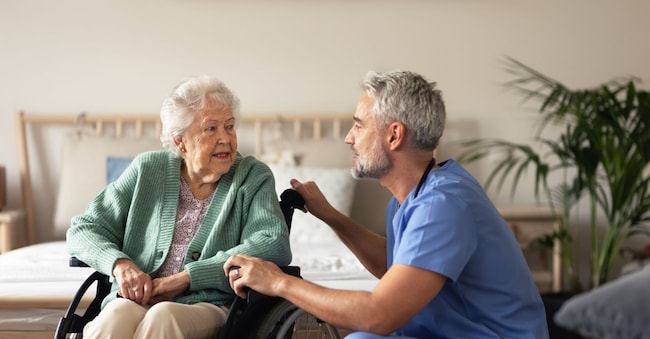
Key points
Shorten the gender gap in all forms of formal care (provided by paid professionals or public services) and informal care (provided, instead, by family members and free of charge). And provide more and more substantial and structural economic support. These are the key issues on which the European Parliament has invited the other European bodies (and the member states) to reflect, through the adoption of a series of recommendations aimed at promoting gender equality and implementing a strategy of targeted funding. But let us try to understand what this is all about.
Themes of the adopted resolution
In a resolution - a non-binding document in which the assembly clarifies its line of action or invites other European bodies to take action on a specific issue - approved by 263 votes in favour, 83 against and 154 abstentions, MEPs reiterated how access to care is and must continue to be an essential right. And how, within this wide (and often underestimated) perimeter, it is crucial to find convincing solutions to combat the inequalities that, numbers in hand, continue to weigh on the shoulders of women with a decidedly disproportionate and all too invisible burden of care work. According to data from the European Institute for Gender Equality, in fact, 56 per cent of women with children under the age of 12 devote at least five hours a day to childcare, compared to 25 per cent of men.
But that is not all: in addition to the theme of equality, in fact, the recommendations also emphasise - on the one hand - the need to pursue and build a virtuous model of "society of care", which gives priority to home-based services and proximity, intergenerational solidarity and independent living. On the other hand, there is the need for sustainable funding - especially in the light of recent demographic trends, which certify in black and white an increasingly rapid and substantial ageing of the European population - and an approach focused on the person, his or her needs, and rights.
Ambitious but unavoidable goals, which need a clear and defined legislative framework. This is why the EU Parliament has called for the introduction of a European statute for caregivers, so as to officially recognise the work of these figures, guarantee the recognition of informal profiles (i.e. spouses, children, relatives in general of the care recipient) in the pension and social security systems and set unambiguous minimum standards valid throughout Europe.
"There are 6.2 million formal caregivers and 53 million informal caregivers in the European Union. They offer presence, patience and human contact," explained Eleonora Meleti (EPP, Greece), rapporteur for the Employment and Social Affairs Committee. "The report adopted today finally recognises care as a pillar of our society and economy, and not as an invisible job taken for granted. For professional caregivers we demand better working conditions, fair pay, psychological support. For informal caregivers we demand protection, flexible working arrangements and congregate care. Care responsibilities continue to fall disproportionately on women, when it should be a responsibility shared by all of us'.

