Music

The concert boom: summer 2026 is already a record-breaking season, with takings of 815 million

From Ultimo to The Weeknd, five months of ‘giantism’. Audience spending up 5 per cent; the proportion of Gold and Pit ticket holders rises to 7 per cent. Live Nation vs Eventim

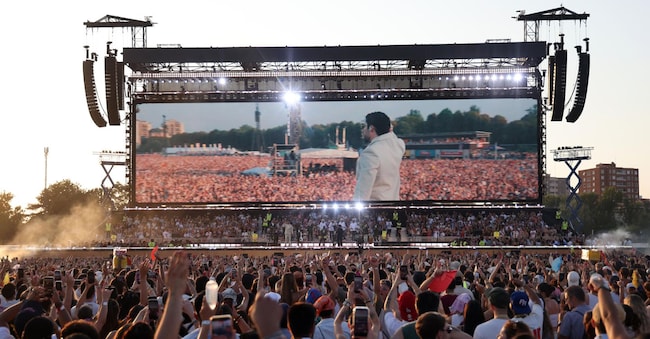
Il concerto di Bad Bunny all’Ippodromo La Maura di Milano, momento cloud dell’estate dei concerti 2026 ANSA

4' min read

Translated by AI
Versione italiana

4' min read

Translated by AI
Versione italiana

The summer concert season has become a massive money-spinner. Virtual queues to buy tickets a whole year before the event, stadiums sold out months in advance, cities gearing up to welcome tens of thousands of fans, hotels full and restaurants fully booked. An economy that revolves around the performances of pop icons, whether they’re Vasco Rossi or Bruno Mars.

And the records keep being broken: the 2026 summer concert season, which is currently reaching its peak, is seeing a 5 per cent increase compared with the May–September period of 2025. This is revealed by estimates from TicketOne, the leading ticketing platform on the Italian market. “Looking at the figures, it’s been an excellent year,” says CEO Andrea Grancini, “with the market following three main trends: ‘core’ artists like Vasco, who’ve never put a foot wrong; up-and-coming artists, such as Olly, Geolier and Achille Lauro, who have now taken the big venues by storm; and the return of major international headliners’.
Loading...

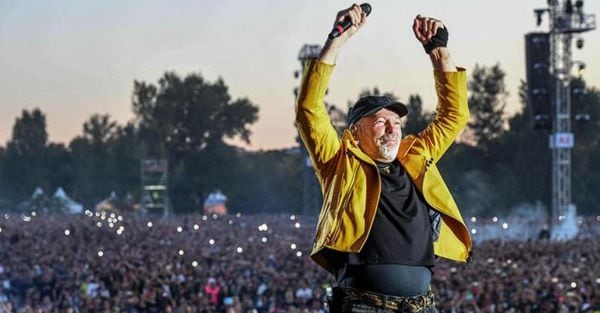
Vasco Rossi, una «garanzia» per il suo contributo al settore live

A combination of factors which, from May to September – the five most significant months of the year for the sector – is expected to result in public spending of 815 million (+5%, in fact) and, by the end of 2026, break the record of 1.1 billion in revenue that the SIAE Report recorded last year.

Continued growth

The race began some time ago, but has gathered pace since the pandemic. Essentially, there are two ‘teams’ in the lead: on the one hand, the American multinational Live Nation, and on the other, the German company Cts Eventim, which controls TicketOne and is involved in the agency business through Eventim Live. “We’ve got three heavyweights in our stable: Vasco Rossi, Tiziano Ferro and Cesare Cremonini. The summer of 2026 has their names written all over it: together they’ve sold something like 1.1 million tickets”, explained to *Il Sole 24 Ore* Roberto De Luca, president of Live Nation Italia. Featuring festivals such as Firenze Rock and I-Days, and a line-up of international acts ranging from Bruno Mars to The Weeknd, Live Nation’s summer season attracted 2.1 million paying attendees.

L’estate 2026 del nostro gruppo porta la firma di tre pezzi da Novanta: Vasco Rossi, Tiziano Ferro e Cesare Cremonini

Roberto De Luca (Live Nation Italia)

The group also included the two dates for Bad Bunny, for which 157,000 tickets were sold, at La Maura Racecourse in Milan. The first concert went well, but the second was marred (due to hail and the need to refund spectators). Vivo Concerti, an agency within the Eventim Live group, celebrated a record of 250,000 spectators recorded by Ultimo at Tor Vergata.
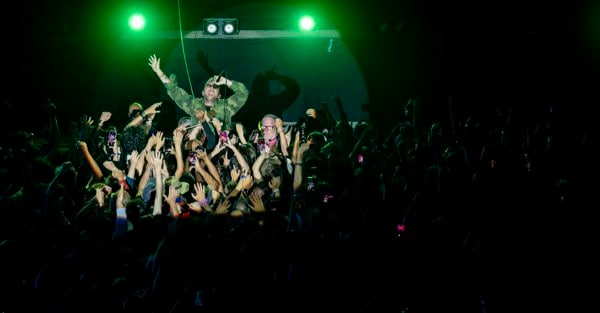
Il cantante Ultimo durante il concerto «La Favola Per Sempre di Ultimo» a Tor Vergata, Roma, il 4 luglio 2026. ANSA/ANGELO CARCONI

Still on the Eventim front, D’Alessandro & Galli have wrapped up a summer in which 155,000 tickets were sold. As ever, the flagship events were the concept festival “La Prima Estate” in Lido di Camaiore, featuring Gorillaz and Nick Cave to an audience of 60,000 paying guests, and the “Lucca Summer Festival”, which brought together acts ranging from David Byrne to Katy Perry for 95,000 spectators spread across the programme. “Demand continues to grow,” emphasises the owner Mimmo D’Alessandro. “But those of us in this line of work have to contend with artists’ fees that have literally skyrocketed, sometimes without any rational basis. Meanwhile, bureaucracy remains the enemy as ever.”

La domanda continua a crescere, ma i cachet sono esplosi e la burocrazia è il nemico di sempre

Mimmo D’Alessandro (D’Alessandro & Galli)

‘A desire to come together’

The live pop-rock music sector is currently enjoying a particularly positive period. “Live music is an occasion for socialising, coming together and recognition for a vast, cross-generational audience,” explains Bruno Sconocchia, president of Assoconcerti. Concerts are no longer, as was perhaps the case in the 1960s, a ritual reserved almost exclusively for young people. Today, the generations who grew up with those artists and the young people who discovered them later come together under the same stage. “People of different ages find common ground in music as a shared language,” observes Sconocchia.

Damon Albarn, frontman dei Gorillaz, protagonisti dell’edizione 2026 de «La Prima Estate»

Of course, there’s no getting round it: the entertainment industry has changed. Productions have become more sophisticated, stages larger, and audio and video technology increasingly advanced. ‘The contrast with the concerts of the 1960s and 1970s – often held in broad daylight at open-air venues with rudimentary sound systems,’ adds the president of Assoconcerti, ‘highlights the leap the industry has made. Today’s shows are technologically advanced productions.’

Contrapporre grandi e piccoli eventi è un errore. Tutti gli eventi concorrono a creare un ecosistema

Bruno Sconocchia (Assoconcerti)

The importance of the Gold and Pit sections is growing

This growth has also reignited the debate over the ever-increasing scale of events and the pursuit of ‘superfans’ – the high-spending segment of the audience willing to make any sacrifice to see their idols in exclusive settings. And then there’s the ‘social’ aspect of the experience: according to TicketOne, Gold and Pit seats – which can cost up to 500 euros – accounted for 5 per cent of tickets sold until last year, but this year that figure has risen to 7 per cent. In 2025, only 368 out of the 39,195 recorded pop, rock and light music concerts will have attracted more than 10,000 spectators. There were 19,428 events with fewer than 1,000 paying attendees, whilst free events totalled 16,611. “Pitting large and small events against each other, however, is a mistake,” warns Sconocchia. Large concerts generate revenue, employment and visibility, but they also fuel the circuit of venues and festivals where artists destined, one day, for arenas and stadiums are born and develop.

Bad Bunny alla prima delle due date all’Ippodromo La Maura di Milano

The Festival Race

Festivals also form part of this ecosystem. “According to a study by La Sapienza University in Rome,” explains Carlo Parodi, president of Assomusica, “their number has risen from 90 last year to 121 in 2026.” This increase reflects the growing interest from local councils and regional authorities, who are increasingly convinced that a music festival can become a cultural, tourist and media asset for the local area.

Loading...

Il giro d’affari dei festival quest’anno supererà quota cento milioni

Carlo Parodi (Assomusica)

The figures reflect the growth in supply. “Turnover stood at 80 million euros in 2025, whilst this year it is expected to exceed 100 million, driven not only by a slight price increase, but above all by rising demand and attendance”, although, as Parodi notes, “there is no strategic plan at national level”. Because the main driver of growth in the concert sector is the audience

Copyright reserved ©
Loading...

Brand connect

Loading...

Newsletter

Notizie e approfondimenti sugli avvenimenti politici, economici e finanziari.

Iscriviti