

Mali, giunta e mercenari russi in bilico dopo il maxi-attacco di Jnim e ribelli
dal nostro corrispondente Alberto Magnani


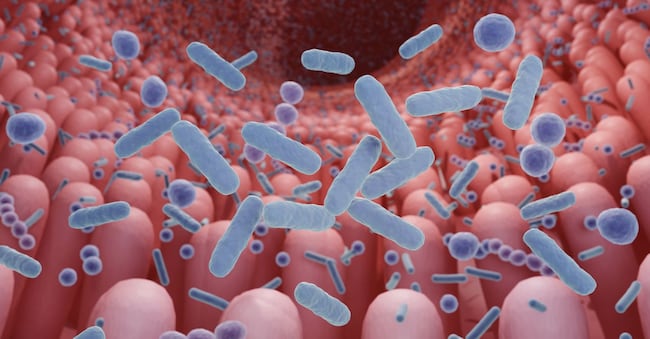
It is not a new antibiotic, but an attempt to disarm bacteria and make them attackable again. Researchers at the University of California San Diego have just decried a system based on CRISPR, gene editing, designed to spread among microbes and inactivate the genes that make them resistant to drugs. The starting point is that many resistance genes are not 'fixed': they often travel on plasmids, small pieces of DNA that can pass from one bacterium to another. The idea, therefore, is to intercept that traffic and circulate a genetic mechanism capable of deactivating resistance just as the bacteria exchange genetic material, spreading the new information within the community and making the newly antibiotic-sensitive version prevail.
The principle is reminiscent of the 'gene drives' experimented with in insects: in mosquitoes, CRISPR was used to rapidly propagate a genetic trait in a population that hinders the transmission of pathogens (or reduces the insect's reproductive capacity), exploiting the dynamics by which traits spread in nature. Here, the same way of thinking is adapted to bacteria in order to eliminate bacterial resistance to antibiotics, which causes more than 35,000 deaths every year in Europe. The strand of research began in 2019, when the lab of Ethan Bier, Professor of Cell and Developmental Biology at the UC San Diego School of Biological Sciences, began a collaboration with the group of Victor Nizet, Professor of Pediatrics and Pharmacy at the UC San Diego School of Medicine, to develop the concept of "Pro-Active Genetics": a CRISPR-based gene cassette capable of "cutting out" resistance-conferring genetic instructions from plasmids. Seven years later, the group published a study in the journal Nature Antimicrobials & Resistance that showed, in essence, that the system can pass from bacterium to bacterium by exploiting a natural DNA exchange mechanism and, once in the 'target' cells of the model used, is able to eliminate resistance. After the transfer and activation of the system, the presence of resistant bacteria drops dramatically: the authors report a reduction in the prevalence of resistance of around 3-5 orders of magnitude (i.e. a thousand to a hundred thousand times, depending on the experimental conditions and the recipient strain).
In the study, CRISPR is used in two main ways. The first is the use of CRISPR to cut the resistance gene located on a plasmid. In the model used in the study, the researchers get CRISPR (Cas9 plus the guide) and also a short DNA sequence designed as a template into the bacterium. When Cas9 cuts the resistance gene on the 'target' plasmid, the bacterium is forced to repair that break. At that point, instead of closing the cut randomly, it exploits the mould provided by the system: during the repair, a small sequence is inserted into the resistance gene that breaks it. The result is that the gene no longer produces the protein that gave resistance and, at least in the lab, the bacteria become sensitive to the antibiotic again. In addition to switching off the resistance gene, the authors describe a targeted deletion (homology-based deletion). CRISPR cuts the DNA into a region flanked by two short identical sequences; during repair, the DNA realigns on these 'copies' and the intermediate stretch is deleted en bloc, as with an eraser that only erases the selected portion. But how is it possible to deliver CRISPR inside bacteria? Bier and Nizet's group showed two ways. The first exploits a natural process that can be described as a kind of bacterial 'mating': two cells come into contact and one transfers the portion of DNA with CRISPR to the other. The second involves bacteriophages, viruses that infect bacteria and could eventually be engineered to deliver useful components to the system.
Among the applications of this technology, the horizon is wide, but should be read with caution because we are still at the experimental level. In perspective, it could be used in contexts where bacterial communities are difficult to eradicate and where resistance finds fertile ground: sanitary environments and contaminated surfaces, but also environmental reservoirs such as waste water, animal farms and aquaculture. Many bacteria, instead of remaining 'free' in solution, attach themselves to materials such as plastic, steel, silicone and biological fabrics, produce a sticky matrix and build a biofilm: an organised community that functions like a protective film. The engineered system can operate within a biofilm, exploiting cell-to-cell transfer. The authors themselves mention the idea of a possible use also in microbiome engineering, i.e. in an attempt to selectively modify certain bacterial functions without 'razing' the ecosystem with broad-spectrum antibiotics. In any case, any practical translation will require rigorous steps on safety, diffusion control and the risk of evolutionary 'escape routes'.
If the approach withstands the test of real-world environments, which are far more complex than the laboratory, it could open up a new avenue: in hospitals, for example, it would respond to a growing need for tools capable of reducing the circulation of resistant bacteria in wards and on critical surfaces, where care-related infections continue to weigh heavily. In the latest survey by the European Centre for Disease Prevention and Control 'point prevalence' in European acute hospitals, the prevalence of patients with at least one care-related infection is estimated at 6.3%, an order of magnitude that equates to approximately 4.3 million patients affected each year in the EU. In Italia, the same source estimates an order of magnitude of about 429,000 affected patients per year. The most frequent sites are those that weigh most heavily on operating theatres and intensive care units: respiratory infections (including pneumonia), urinary infections, surgical site infections and bacteremia.

