
Sustainability, how the European Parliament changes the rules for companies
In Brussels the majority splits and passes the deregulation dear to the right: reporting obligation only for companies with more than 1,750 employees
From our correspondent Beda Romano
 Aggiungi Il Sole 24 Ore
ai preferiti su Google
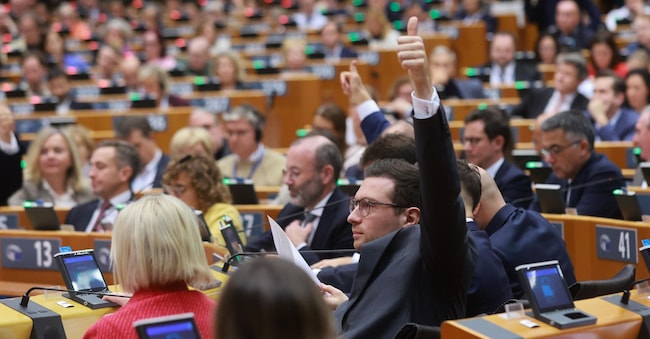
BRUSSELS - Once again the centrist bloc in the European Parliament has split, confirming the fragility of the majority that has so far supported the European Commission. In deciding its negotiating position on the long-standing revision of the directives on corporate social and environmental sustainability, the assembly approved the most radical amendments on Thursday 13 November, thanks to the votes of the centre-right and right-wing parties.
The votes in favour totalled 382, those against 249, abstentions 13. In fact, the People's Party voted together with the more radical parties to push through sharper changes to the legislation being revised. Today's vote came after the end of October plenary had rejected the negotiating mandate prepared in the parliamentary committee. Even then, the popular-socialist-liberal majority had shown quite a few cracks.
In fact, the amendments aim to greatly reduce the scope of application of the two directives, to water down the automatisms in the imposition of possible fines, to transfer the liability regime from the European to the national level. Furthermore, the Parliament wants the obligation to draw up social and environmental impact reports to concern only companies with more than 1,750 employees and with a annual net turnover of more than EUR 450 million.
For months now, the European Union has been putting its hand to legislative texts approved in previous years under the Green Pact. The declared aim is administrative simplification, when in fact the focus is on deregulation, both due to pressure from the business world and certain political parties, and in response to the more lax attitude taken by the Trump administration in the United States in the environmental field.
Today's vote provoked lively reactions from the opposition parties. Noted Terry Reintke, the co-chair of the Greens: "The Populars have broken the cordon sanitaire", i.e. the unspoken rule that traditional parties do not ally themselves with the extreme right. "With this negotiating position on environmental and social sustainability directives, the parliament is choosing deregulation at the expense of human rights and the climate," said French The Left MEP Arash Saeidi.


