Study Quantis Bcg

Sustainability: only for 30% of food managers achievable goals in 2030

Consumers see it as a priority, for companies fundamental packaging

4' min read

Key points

  • Choosing priorities for a sustainable future
  • The main challenges of the sector
  • Cross-involvement and collaboration
  • Sustainability as a strategic opportunity

4' min read

Sustainability is becoming a buzzword in more than one economic sector, but it is in the food sector that it takes on vital importance. According to estimates by Quantis, 100 per cent of the interviewed managers working in the marketing sector of food companies have noticed changes in consumer purchasing habits. According to their observations, customers are increasingly interested in sustainable products and are even willing to spend more to obtain them. This growing consumer awareness, coupled with regulatory pressures and climate change, is driving companies to review their sustainability strategies.

The latest Recipe for Transformation study published by Quantis, a BCG company with a scientific approach and leader in the field of sustainability, aims to provide a detailed overview of the challenges and opportunities facing the food & beverage industry in achieving a sustainable transition. The research, conducted in collaboration with Sapio Research, involved over 600 managers and executives from food and beverage companies (both in the US and Europe).

Loading...

The food industry is undergoing a transformation, with sustainability increasingly becoming an imperative for companies and consumers. However, according to 'Recipe for Transformation', the latest study published by Quantis - a BCG company with a scientific approach and a leader in the field of sustainability - only 30 per cent of managers globally are optimistic about achieving the goals by 2030. The research surveyed more than 600 managers and executives from companies in the food industry (both in the US and Europe).

What the data says:

- On average, the share of the annual budget allocated to investments aimed at reducing environmental impacts is only 12.5% on a global scale

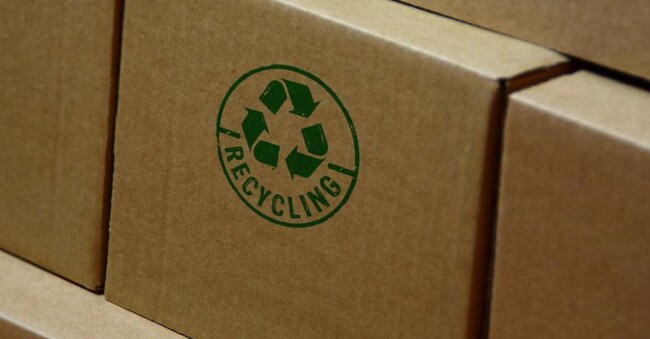
- It is on packaging that 67% of Italian managers (and 62% globally) see one of the main areas for action to foster transition

- On the other hand, 24% of Italian and 19% of foreign respondents consider it a priority to undertake an evaluation of their product portfolio

A note of uncertainty immediately emerges. In fact, only 30% of the managers surveyed said they were confident that their company would be able to achieve sustainability goals by 2030. A figure that highlights the uncertainty that still pervades many realities on this issue.

"We are enthusiastic that in Italy, according to the sample surveyed, sustainability so far has been built 'from the bottom up', thanks to widespread activation across the company: in fact, half of the national sample stated that they had been counting on sustainability KPIs for more than a year, compared to 38% on a global scale, and also thanks to the engagement of the value chain," comments Davide Tonon, Director of Quantis Italia. "It is precisely on this point that I would like to elaborate starting from my observatory on the sector in our country, where we are increasingly seeing the spread of C-level bonuses linked to decarbonisation KPIs: a decisive and successful lever".

The choice of priorities for a sustainable future

.

In order to make this transformation by the end of the decade, companies need to be able to prioritise their actions, identifying key areas on which to intervene.

24% of Italian and 19% of foreign respondents believe it is a priority to undertake an assessment of their product portfolio to understand which (including recipes and packaging) to promote, redesign or eliminate, and how. In particular, it is on packaging that 67% of Italian managers (and 62% globally) see one of the main points of intervention.

This attention reflects the urgency of reducing the environmental impact of plastic waste and promoting more ecological solutions. This attention is also fuelled by the need to reduce food waste, indicated by 53% of respondents in Italy and 57% of those abroad as a priority.

The sector's main challenges

.

Among the most significant challenges to be faced, the complexity characterisingthe supply chain stands out, according to 37% of Italians and 42% of global respondents. Even the investments required to support this transformation remain an open question: on average, the share of the annual budget allocated to investments aimed at reducing environmental impacts in the various departments corresponds to just 12.5% on a global scale.

Elements that underline the need to continue investing in innovative technologies and practices to address operational complexities and improve transparency and efficiency throughout the supply chain.

Cross-involvement and collaboration

Active leadership involvement and collaboration between different business functions are also key to initiating this change. Thirty-four per cent of Italian respondents and 32% of global respondents emphasise that creating a climate of collaboration and sharing are key elements in creating an environment in which more sustainable practices are able to take root.

In addition, 45% of respondents (both Italian and global) consider regulations to be one of the main drivers for initiating a responsible transition.

Sustainability as a strategic opportunity

Sustainable transformation in the food & beverage sector is also a strategic opportunity for companies that want to remain competitive and resilient in the face of global challenges.

The data collected show a strong convergence between Italian and international managers on the importance of strict regulations, corporate culture and cost savings as key drivers for change. With priorities such as product portfolio redesign, aregenerative agriculture and the adoption of plant-based foods (which 32% of Italian respondents believe are key), Italy proves to be at the forefront of this path.

"We clearly see and appreciate the commitment and results of the F&B sector in the direction of aligning to planetary limits. The next step will have to be in the transition from a silo approach to the integration of sustainability into the daily choices and operations of all business functions,' Davide Tonon concludes. 'Forecasts indicate the risk for food companies to lose up to 26% of their value if they do not act quickly, effectively and efficiently. Much remains to be done: in order for more significant budgets to be dedicated to sustainability and for a transformation with a measurable and lasting impact to be achieved, collaboration with leadership across departments and with strategic partners and commitment to the three strands of sustainable product portfolio redesign, regenerative agriculture and plant-based agriculture continue to be necessary".

Copyright reserved ©
Loading...

Brand connect

Loading...

Newsletter

Notizie e approfondimenti sugli avvenimenti politici, economici e finanziari.

Iscriviti