
Sustainable fishing, here's how to get the label
The certification is provided by Friend of the Sea, a project of the World Sustainability Organisation. You can also apply for the seal for whale and dolphin watching
Certifications that reward sustainable practices in fishing, aquaculture and fish oil and omega-3 production. This is the work done by Friend of the Sea, a project of the World Sustainability Organisation, an international NGO that pursues a humanitarian mission of environmental protection: the NGO - founded by Paolo Bray and with its registered office in Milan - also promotes pilot projects relating to restaurants, sustainable maritime transport, whale and dolphin-watching, aquariums, ornamental fish and UV creams.
The programme
It is the only internationally recognised and supervised certification programme for sustainable fishing by a national accreditation body. These practices are increasingly in demand, so much so that Friend of the Sea has a dozen or so certifications, namely 'sustainable fishing and fleets', 'sustainable aquaculture', 'sustainable nutraceuticals', 'sustainable shipping', 'reef safe sun protection', 'sustainable dolphin and whale watching', 'sustainable aquariums', 'sustainable restaurants', 'sustainable beaches', and 'sustainable salt'.
In order to obtain certification, one has to fill in the online form, sign the contract and schedule the audit so that all requirements can be verified: the process is usually completed within a few months.
Dolphin and whale watching
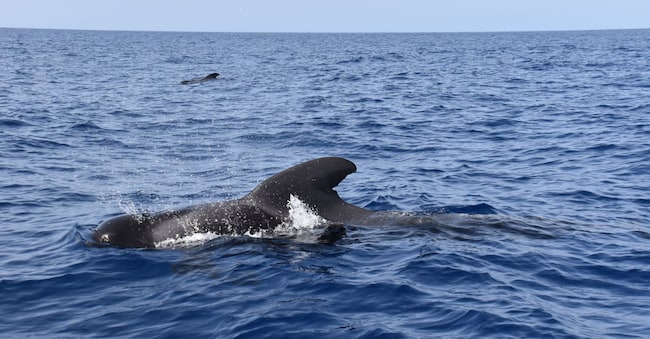
One of the most distinctive certifications to be obtained is that on sustainable dolphin and whale watching, a practice that is now widespread worldwide and consists of 'targeting' specific communities of whales and dolphins for a close encounter.
Among the best places to admire the scenery are Vancouver Island, located on the west coast of Canada in the Pacific Ocean, the Scottish coast and Hong Kong harbour where the pink dolphin can be found. However, it is important that observation is responsible.

