
Lazio Regional Administrative Court, yes to penalties for excessively long procedural documents
In the name of cutting time, the Via Arenula decree providing the possibility for the judge to sanction long-winded acts is legitimate

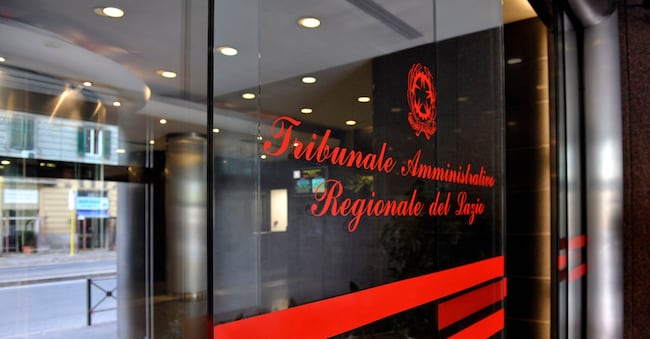
In the name offaster civil proceedings, the decree with which the Ministry of Justice in August 2023, in regulating the criteria for drafting judicial documents, provided the possibility for the judge to cancel non-compliance with the size limits of the procedural document is legitimate. This was decided by the Tar del Lazio in a ruling with which it rejected an appealby Codacons.
The judges, premising that the contested regulation is part of the implementing measures provided for by a law of 2021 aimed at achieving the objective of a reduction in the time of civil proceedings through the introduction of the principles of streamlining, clarity and conciseness of procedural acts, they held that the envisaged intervention - "which extends to the civil trial the principles already consolidated and in force in the context of administrative proceedings" - is aimed at "the functionality of the form to the purpose of the deed" and is intended to regulate the methods of consultation and management of procedural documents "both for the parties and for the judge, also pursuing the objective of regulating in a more uniform manner the redaction of deeds, with the consequent possibility of an easier reading of them, the latter being a premise of greater comprehension and more just decision-making". A decision, moreover, that 'marks animportantmilestone of the NRP as a target for the second quarter of 2023 and therefore has a fundamental EU relevance'.
Stop unnecessarily overabundant acts
In essence, for the Tar "the intervention challenged today was therefore the product of a procedural and in-depth interlocution between the representatives of all the operators involved. With a view to safeguarding the right of defence and increasing the efficiency of the trial, the aim was to abandon unnecessarily plethoric and overabundant drafting techniques of the proceedings and the adoption of models centred on the selection of only the relevant issues of fact and law, considering brevity and clarity to be values to be pursued as functional to the implementation of the principles of due process and of its reasonable duration. An intervention that also came at the instigation of the European Union.
The Regional Administrative Court also rejected thedoubt of constitutional illegitimacy on Article 46 of the implementing provisions of the Code of Civil Procedure in the part that provides that the judge may take into account the failure to comply with the size limits of judicial documents when settling litigation costs. "As appropriately recalled by the defence, the judge in the regulation of court costs does not enjoy absolute discretion," reads the judgment, "because the quantification of costs remains in any event governed by the ordinary parameters of liquidation for the fees of lawyers and by the rules set forth in general by the Code of Civil Procedure. The disputed provision merely adds another reasonable criterion, in the context of a judgement that is already the responsibility of the judge and that is always open to review, given that, if it errs in the logical or legal path, the decision on costs is also subject to the ordinary remedies of appeal".
Codacons' fears
Regretting the verdict is lawyer Marco Ramadori, a member of the Codacons board of presidents: 'The judgement of the Lazio Regional Administrative Court, which rejects Codacons' appeal and confirms the strict size limits for court documents, is a wake-up call for the protection of citizens' rights. In the name of efficiency and reduction of procedural time, there is a risk of sacrificing the right of defence enshrined in Article 24 of our Constitution'.

