Trade war

Tariffs, different fate for Parmesan cheese and wine. In the USA the autumn sting is expected

Today a round table on Italian products was held at Palazzo Chigi to draw up measures to protect the production sectors most affected. Mozzarella, gorgonzola and the most famous wines at risk

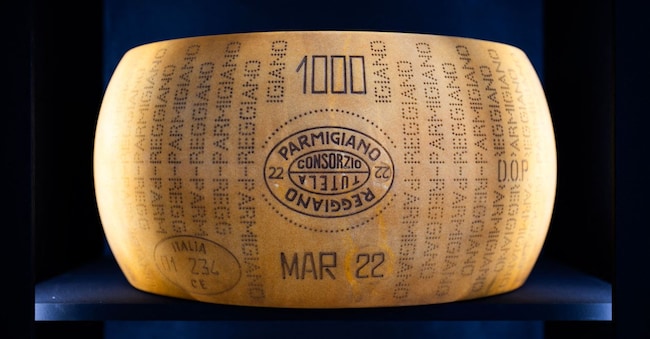
Una forma di Parmigiano Reggiano in uno stand del Salone del Gusto e Terra Madre di Slow Food a Torino il 26 settembre 2024. Il Presidente degli Stati Uniti Donald Trump ha ordinato la reimposizione di dazi su decine di partner commerciali il 31 luglio 2025. (Foto di Marco BERTORELLO / AFP)

6' min read

6' min read

Not only will Parmigiano Reggiano not have an increase in tariffs, but it will benefit from a reduction from 25% (the sum of tariffs paid since the 1960s with those added since last April) to 15% according to the quota of the US-EU agreement. Although, as reported by Il Messaggero quoting authoritative sources, it could even bring home the zeroing because 'Italy would seem to have won out over hard cheeses'.

No exceptions instead, reports the Roman newspaper, for mozzarella, gorgonzola, burrata and stracchino, while pastaand olive oilseem close to the exemption goal. Less easy the match for wine.

Loading...

Made in Italy table at Palazzo Chigi

The government has convened the entire sector production system tomorrow at Palazzo Chigi. There will be the Minister of Agriculture Francesco Lollorigida, the Ministries of Business and Health and the Presidency of the Council; for the wine supply chain Alleanza Cooperative Agroalimentari, Assoenologi, Cia-Agricoltori Italiani, Confagricoltura, Copagri, Federdoc, Federvini and Unione Italiana Vini. Coldiretti and Veronafiere President Federico Bricolo also took part, as did Vinitaly as a player in promotion.

A round table, said Lollobrigida when announcing the meeting in recent days, at which tariffs will also be discussed but at which the issue as a whole will be addressed as a strategy, from market logic to communication. And it is precisely on the push for promotion that the Unione Italiana Vini is aiming, which is not asking for refreshments but specific interventions 'so that the accelerator pedal on investment in the American market does not come to a halt. It will be fundamental to push direct and indirect promotion coordinated with companies, first and foremost in the American market, to support brands in a context of a general increase in prices and costs," secretary general Paolo Castelletti told Ansa on the eve of the meeting. The EU and domestic markets will also have to be manned. In the meantime, it is essential to work on diversification and free trade agreements, Mercosur in the lead, which we hope will be approved soon'.

Moscato d'Asti, Pinot Grigio and Prosecco the most exposed

.

Institutional campaign to protect the wine sector and responsible consumption and for the reputational defence of the product for Fedagripesca Confcooperative whose president, Raffaele Drei, intends to ask the government for compensatory measures also through regulatory streamlining or the postponement of regulations that from 2026 will aggravate the lives of thousands of farms. Compensation is needed for Cia Agricoltori Italiani, drawn from EU funds that have not been fully spent or from extraordinary resources. Innovative communication that looks to young people is also needed. According to the UIV, the damage of the 15% tariffs will weigh on the wine sector by 317 million euro in the next 12 months. Moscato d'Asti, Pinot grigio and Prosecco are the most exposed. Concerns also exist in Franciacorta, for which 13% of total exports are to the USA. The American wine market is worth 2 billion euros for Italy out of the 8 billion in exports worldwide.

In addition to wine, cars and drugs at risk

The freezing of the 93 billion counterduties will probably be the last act in the EU-US trade game before the summer break. The long-awaited joint text that should define the tariff framework will hardly see the light of day in the short term. The US is in no hurry and the Commission risks being left with at least three uncovered knots: cars, medicines and wine. The former, at the moment, remain anchored to the 27.5% rate. On medicines, at the moment, the basic rate of 15% hangs in the balance. On wine, finally, the hypothesis of an exemption to be applied to so-called strategic products has not yet taken shape. Comforting signals are not coming from Washington.

Ursula von der Leyen and Maros Sefcovic reiterated that they had made "the best possible deal" but the criticism that rained down on the agreement was plentiful and the risk of the joint declaration being postponed to September could multiply it further. In the Eurochamber, on her return, von der Leyen - who will hold the State of the Union in the presumably fiery Chamber on 10 September - could be hit with a new motion of no confidence. It was the EU Left that proposed it this time. The Italian Greens have joined in and they may not be the only ones. The quorum of 72 MEPs for tabling the motion is within reach.

USA: tariffs almost final

On the other side of the Atlantic Ocean, meanwhile, comes the news that Donald Trump's new tariffs are 'almost definitive' and should not be subject to negotiations in the immediate future: this is said by the US Trade Representative, who also defended the 50 per cent tariffs adopted by the president against Brazil. "These tariffs are pretty much final," said Jamieson Greer during an interview with CBS. Asked about the possibility of negotiations to reduce these customs surcharges, Greer replied that there probably won't be any "in the next few days". "We can clearly see the contours of the president's trade plan through these tariffs," he commented. As for the punitive tariffs on Brazil, he explained, the president found in that country, "as in others, a distorted use of the law, a misuse of democracy. It is legitimate to use these tools (tariffs, ed.) for geopolitical issues,' he added. Trump justified the high tariffs on Brazil with the trial, in his opinion unfounded, of former President Bolsonaro, accused of a coup.

Una bambola raffigurante il presidente degli Stati Uniti Donald Trump brucia durante una protesta contro i dazi sui prodotti brasiliani imposti da Trump, fuori dal consolato degli Stati Uniti a Rio de Janeiro, Brasile, 1 agosto 2025. REUTERS/Ricardo Moraes

Probable Trump-Carney meeting

However, President Donald Trump and Canadian Prime Minister Mark Carney are likely to meet "in the next few days" to resume negotiations on tariffs, after the US imposed a 35% tariff on goods not covered by the US-Mexico-Canada trade agreement. This was stated to Cbs News by Dominic LeBlanc, the federal minister responsible for trade between the US and Canada, who believes it is possible to reach an agreement that would lead to the rate reduction and said he was encouraged by his talks with US Commerce Secretary Howard Lutnick.

From tariffs 360 billion a year to the US

With the tariffs introduced since April, even before the new ones take effect on 7 August, Donald Trump has so far collected $152 billion, roughly double the $78 billion that entered the federal coffers in the same period of the previous fiscal year. In July alone, the tariffs brought in almost $30 billion. And with the impending tariffs increase to levels not seen in almost 100 years, it is estimated that the annual figure will be around 360 billion a year. A revenue stream so substantial that it may prove difficult to abandon: 'I think this is addictive, that it is very difficult to abandon a source of revenue when the debt and the deficit are what they are,' Joao Gomes, an economist at the Wharton School of the University of Pennsylvania, told Nyt. But who will pay for the higher cost of imported goods? And how much will it affect inflation and growth in the US economy? These are the questions linked to the tycoon's trade war, and most experts foresee an inevitable price hike from autumn onwards, with increases in various sectors: food (from wine to coffee), furniture, toys, household appliances, computers, cars, shoes and clothing (95% imported).

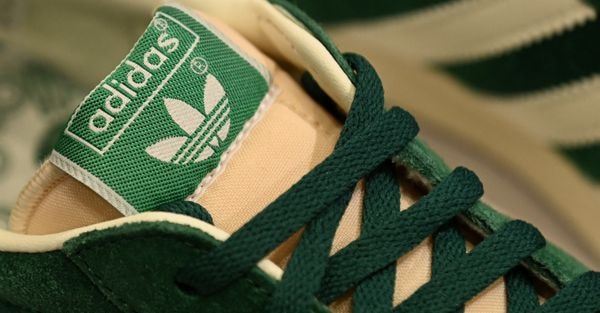
Il logo del produttore tedesco di attrezzature sportive Adidas. Il 30 luglio 2025 il gigante tedesco dell'abbigliamento sportivo Adidas ha dichiarato di aver subito un colpo dai dazi statunitensi nel secondo trimestre, ma non ha indicato se avrebbe trasferito l'aumento dei costi ai consumatori. I dazi statunitensi aggiungeranno inoltre circa 200 milioni di euro (230 milioni di dollari) ai costi di Adidas nella seconda metà dell'anno (Foto di Christof STACHE / AFP)

Autumn sting likely on the way

So far, several factors have cushioned the impact of tariffs: their postponement, companies' accumulated inventories, supplies ordered in advance, companies' decision to absorb higher costs. But now this lull is coming to an end and autumn prices are set to change dramatically. According to the Yale Budget Lab, Americans will see an average tax rate of 18.3% on imported products, the highest rate since 1934. The independent policy research centre estimated that prices will rise by 1.8% in the short term due to Trump's trade war: this equates to an income loss of $2,400 per household.

Companies are starting to pass on most of the costs of tariffs to consumers. And in recent days Adidas, Procter & Gamble, Stanley Black & Decker and other large companies have told investors that they have raised prices or plan to do so soon to offset the burden of tariffs.

These include EssilorLuxottica, the world's largest manufacturer of eyewear, including Ray-Ban. Companies such as Walmart and toy manufacturers Hasbro and Mattel had already warned that tariffs would lead to price increases. "The transmission of higher retail costs tends to be very gradual, which is why many people have the feeling that nothing is happening," explained Alberto Cavallo, Harvard economist. "Obviously, the costs are piling up and eventually it will be the Americans who will pay most of the cost of these tariffs," he added. Fed Chairman Jerome Powell also held rates steady at the last meeting due to the uncertainty of the economic environment, with the effects of tariffs 'beginning to be reflected more clearly in the prices of some goods, but their overall effects on economic activity and inflation remain to be seen' going forward. Tariffs therefore remain a gamble and could become a boomerang, even an electoral one, if prices rise and the economy slows.

Copyright reserved ©
Loading...

Brand connect

Loading...

Newsletter

Notizie e approfondimenti sugli avvenimenti politici, economici e finanziari.

Iscriviti