
Tax returns, receipts and digital documents secure bonuses in 730
The pre-filled form comes to terms with the spread of electronic payment systems: the method of payment can be noted on the receipt or proved separately
by Dario Aquaro and Cristiano Dell'Oste
 Aggiungi Il Sole 24 Ore
ai preferiti su Google
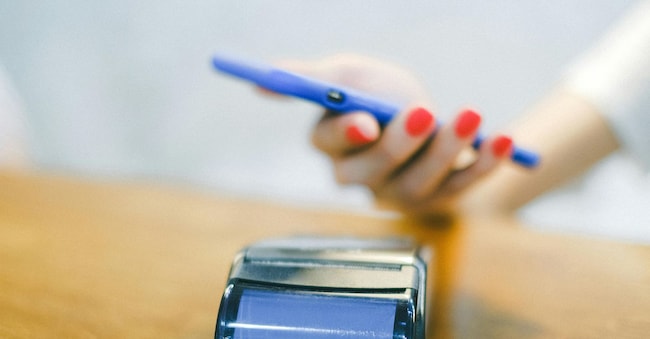
The tax return is coming to terms with the growing popularity of electronic payment systems and the digitisation of accounting documents. The novelty of Decree 19/26, the Pnrr decree converted into law last week, should also be read in this sense: an end to the obligation to keep receipts generated by Pos; bank statements are sufficient.
Proofs of payments
With the online arrival of the pre-filed 2026 - expected on Thursday 30 April - many employees and pensioners will be wondering about the documents needed to claim tax deductions: invoices, receipts. When are they necessary? For how long and how should they be kept? Often the documents demanded by the IRS do not only concern the expenditure incurred, but also themethod of payment.
The various subsidies, however, tend to have different rules.For home subsidies the 'traceable' bank transfer has always been used. For furniture, the ordinary bank transfer or cards. For 19% deductible expenses, from 2020 any traceable means of payment is required (but cash is still allowed for medicines and healthcare services at public or private facilities accredited to the SSN). And again: the rental fee of low-income tenants can be paid in cash, that of out-of-town students cannot.
In the sheets, which can be found later in the article, the necessary documents are indicated in ten examples referring to some of the deductions most common in the declarations submitted in 2025. From healthcare expenses, present in 70.8% of the 730 and Redditi models, to life and permanent disability insurance expenses, reported in 17.5% of cases.
For 19% deductible expenses, the fact that the payment was made by traceable means may be noted on the receipt - even in pdf format sent by email - by the person who received the sum. Alternatively, the taxpayer may keep the specific document: the card payment receipt, the bank statement, the copy of the postal or PagoPa payment slip, and so on.

