The Citroen CX turns 50: a myth of technology and design
Heir to the French brand's most divine car, the DS, it was unveiled on 26 August 1974 with the aim of emulating the most iconic model, but at a lower cost.
by Corrado Canali
 Aggiungi Il Sole 24 Ore
ai preferiti su Google
3' min read
Key points
- Many innovations introduced almost equal to the legendary DS
- The concave rear window without windscreen wiper
- The CX was voted Car of the Year 1975.
- From sedan to Break the station wagon
- After petrol engines it's the turn of diesel
- The major redesign in 1985
- Citroen CX Prestige the lux variant
- A career of over 17 years between saloon and Break
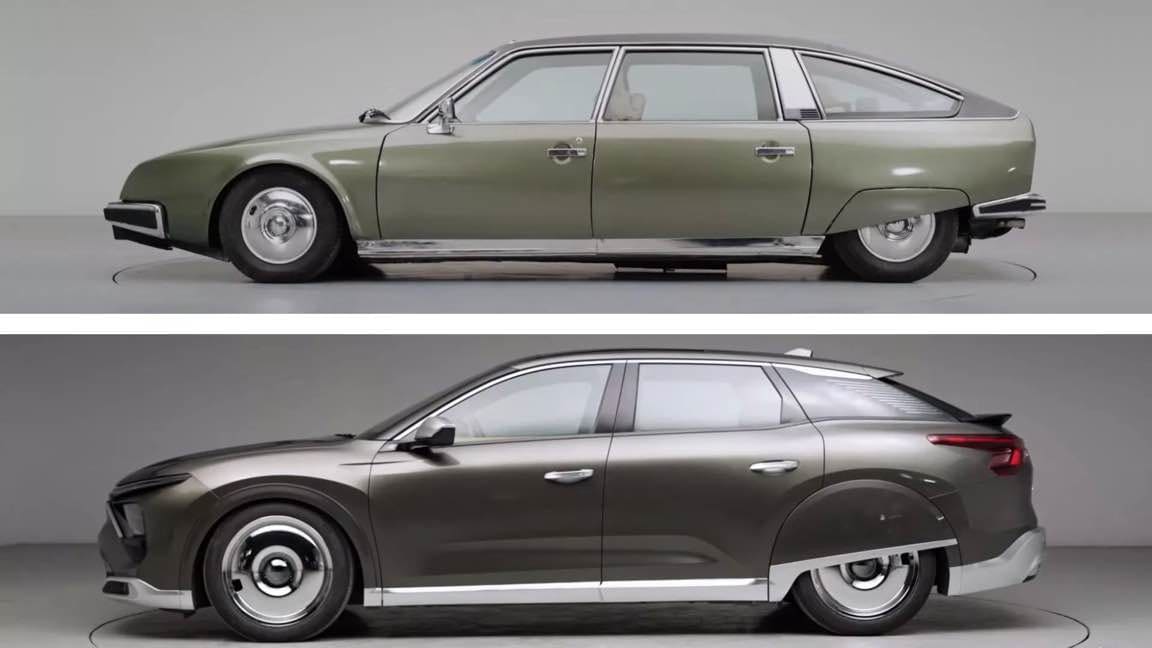
- From the CX of 1974 to the C5 X of today
3' min read
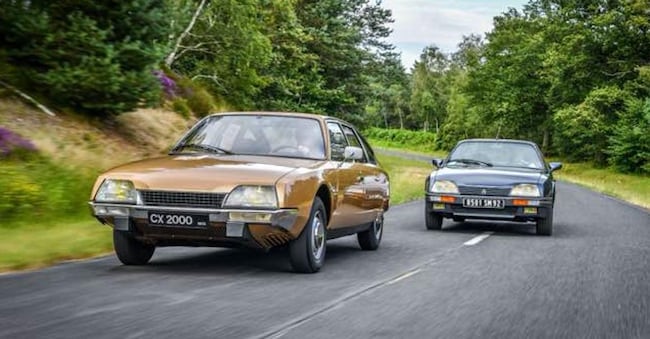
The Citroen CX the undisputed heir to the most iconic of the French manufacturer's models, the DS, is one of the car models with a history to say the least. And it recently turned 50 years old. It was first presented to the then French President Giscard d'Estaing just before the 1974 Paris Motor Show. The name CX derives from the term for the aerodynamic drag coefficient value, which for the CX was 0.39, very good for a car of 50 years ago.
Many innovations introduced almost equal to the legendary DS
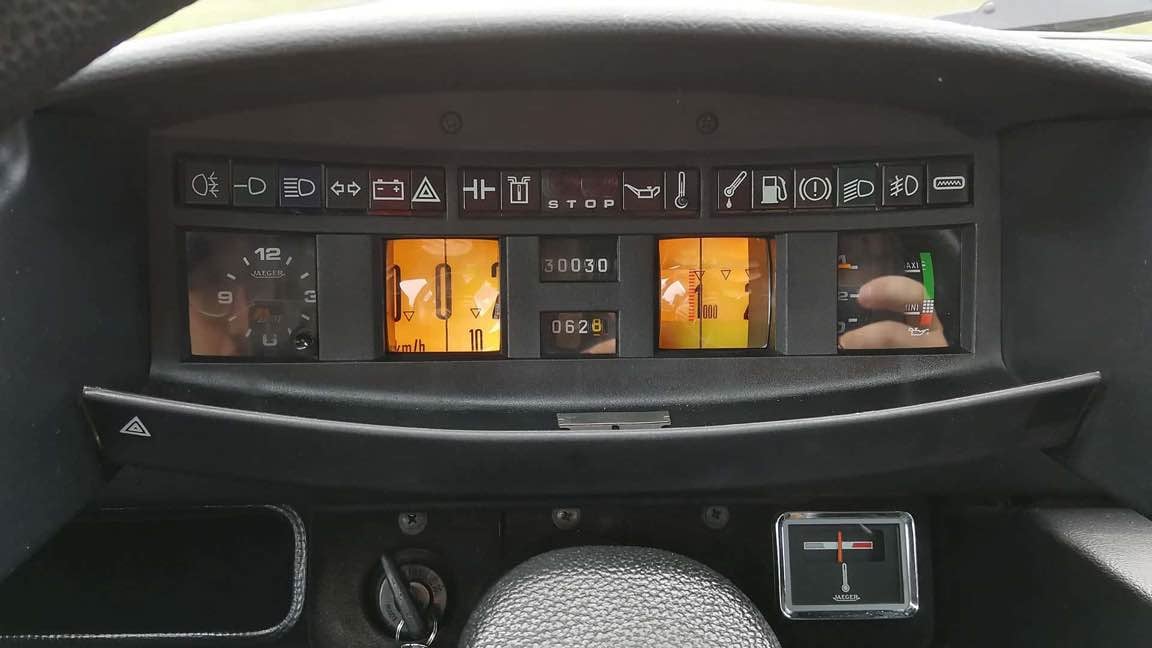
.Mechanically, the car was designed with a transverse engine, hydropneumatic suspension with non-adjustable, but independent ground clearance, disc brakes on the front and rear wheels, plus a dual-circuit power brake system and the iconic and extravagant Diravi, a power steering system of the self-restoring type depending on the speed travelled, which was only introduced a few months after the official debut.
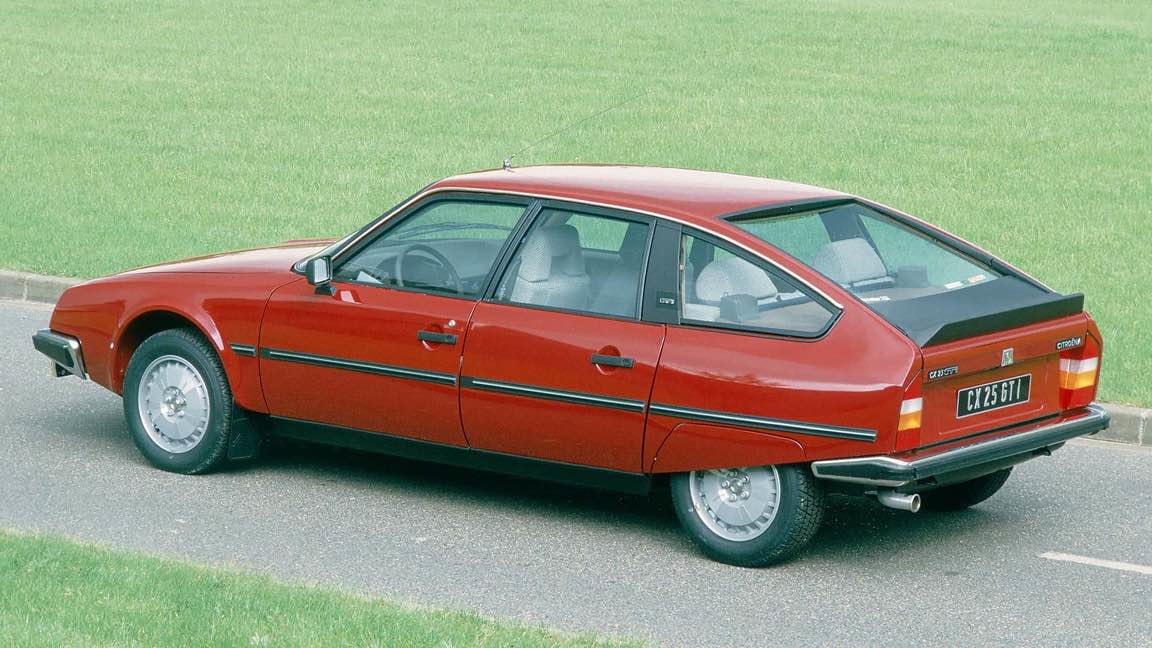
The concave rear window and no windscreen wiper
.The car was designed with a very special rear window because it was concave like that of the later Citroen C6 and had the special feature of allowing rain to run down the centre, to the point that it did not require a windscreen wiper at the rear. The body was designed under the direction of the then head designer Robert Opron, and was conceived with a narrow track width at the rear axle and a small boot lid.
The CX was voted Car of the Year 1975
.In terms of engines, Citroen's engineers chose to install on the CX, albeit at an early stage of marketing, two engines that were already familiar, namely the 2,000 cc petrol engine with 102 hp and the 2,200 cc petrol engine with 112 hp, derived from that of the DSuper5. In 1975, the Citroen CX was awarded the Car of the Year award as well as the Prix de la Sécurité and Prix Style Award.
From sedan to Break the station wagon
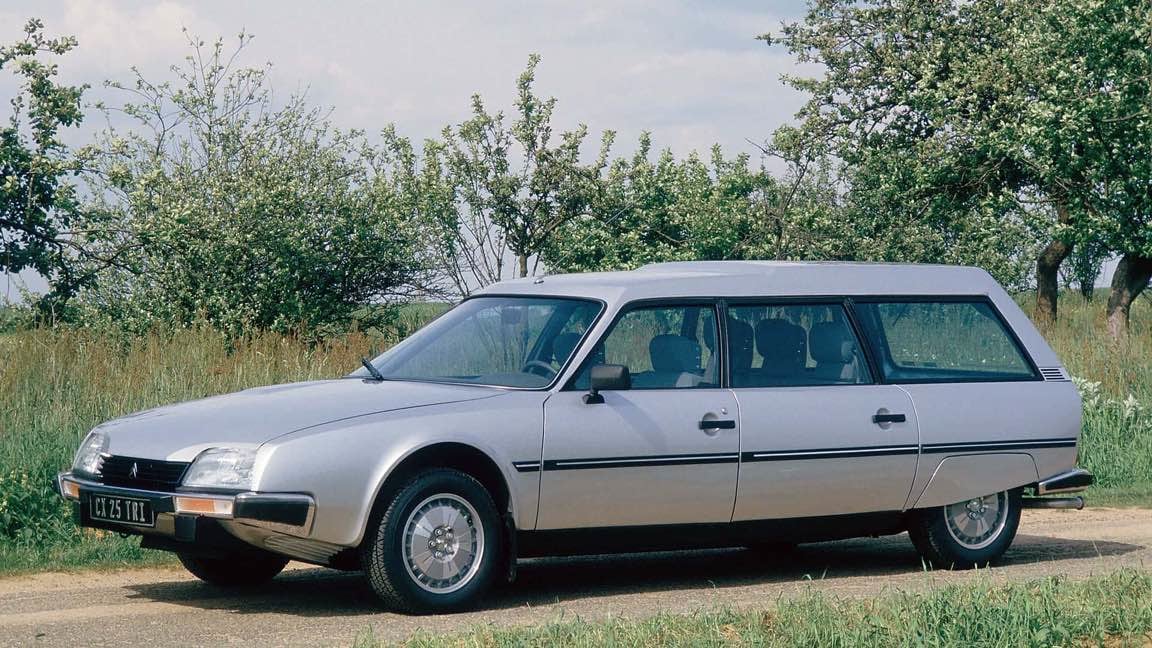
At the same time, the CX 2200 made its debut in the Pallas variant, known for its very luxurious equipment. A few months later the first diesel entered the range, a 2,200 diesel used in the Citroen C32 and C35 from 1973. September 1975 saw the arrival of the CX Break, the station wagon, with a wheelbase 25 cm longer than the saloon and a third bench seat for eight passengers.