
The EU Commission is strengthening Europol with cloud infrastructure and funding to combat AI-related fraud
Brussels proposes new rules to facilitate cross-border cooperation and the use of advanced technologies in the fight against cybercrime
From our correspondent Beda Romano
 Aggiungi Il Sole 24 Ore
ai preferiti su Google
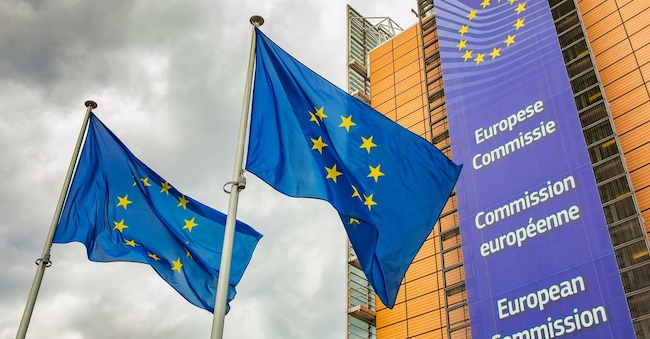
BRUSSELS – On Wednesday 24 June, the European Commission presented a series of measures designed to enable Europol, the European law enforcement agency, to respond more swiftly and effectively to cross-border and increasingly digital crime. Among other things, the reform provides for a more efficient exchange of information between national authorities, a greater Europol presence in member states, and increased cooperation between EU institutions.
Europol had warned as early as last year that criminal organisations are using AI-based scams to identify victims. Against this backdrop, the agency will develop a sovereign cloud infrastructure and create a shared data space to enable investigators to collaborate more easily on joint cases. In the draft budget for 2028–2034, Brussels has proposed doubling the funding allocated to Europol, bringing the total to three billion euros.
“Criminals are very adept at exploiting the opportunities offered by the digital world, operating effectively across borders without any restrictions,” said Henna Virkkunen, the European Commission’s Vice-President responsible for technology. “We are strengthening both Europol and Eurojust so that Europe can respond more quickly (...) share information more effectively and bring criminals to justice more efficiently.”
In this context, Brussels is proposing to update the European Investigation Order, a procedure for the cross-border gathering of evidence in criminal matters. The new rules will facilitate the application of the European Investigation Order by clarifying procedures and removing operational difficulties. A new European mandate for remote participation is also being introduced to enable suspects, defendants and victims to participate remotely in criminal hearings in another Member State.


