
The EU is seeking a balance with China between dialogue and trade defence measures
The 27 Member States are adopting a pragmatic approach that combines negotiations and protective measures to safeguard the single market and reduce economic dependence on Beijing.
From our correspondent Beda Romano
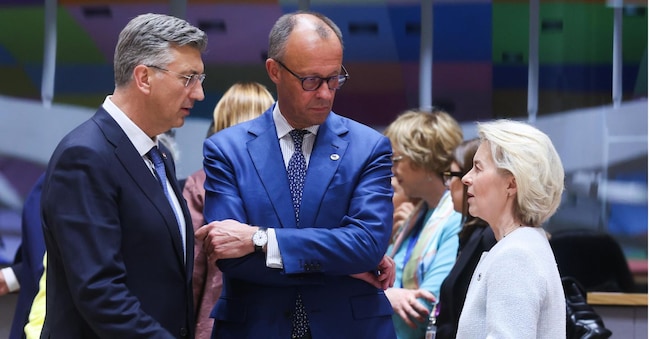
BRUSSELS – The 27 Member States agreed during the night of Thursday 18 to Friday 19 June to pursue a two-pronged policy with China: dialogue, whilst at the same time strengthening trade instruments that could enable them to better combat the Asian country’s unfair competition using protectionist measures. The compromise reached at a European Council meeting may disappoint those who had hoped for a more combative stance, but it has the merit of being realistic and pragmatic at a time of great political uncertainty.
“The leaders agreed that the current global macroeconomic imbalances require a European response based on two pillars: European unity and dialogue with our main economic partners,” said a European official at the end of the first day of the European Council meeting. “The European Union is one of the world’s largest economies. It has its own economic tasks to carry out,” including greater integration of the single market.
According to the Heads of State and Government, ‘the European Union must continue along the path of trade diversification, risk reduction, reducing dependencies and strengthening our strategic autonomy. Fair competition at a global level requires a level playing field in terms of market access. For this reason, the leaders have asked the Commission to work on two fronts’.
The European Council wants Brussels, on the one hand, to foster ‘a constructive dialogue with our main economic partners, with a view to safeguarding our economic and security interests’ and, on the other hand, to develop and, in the long term, integrate ‘the range of instruments in the field of trade defence and industrial policy, to ensure that the European Union has all the necessary tools to safeguard its interests and mitigate risks’.
Subsequently, at a press conference, the President of the European Commission, Ursula von der Leyen, explained that the Commission intends to develop a tool to help European businesses diversify their exposure to China. She confirmed that the aim is to reduce risks associated with the country, not to sever ties. She clarified that the tools currently available must be used ‘in a more proactive and strategic manner, to defend our European interests’.


