

‘The European Association of Prefects works with the southern shore of the Mediterranean’
Interview with Ignazio Portelli, Prefect of Enna and President of Aerte: “In Northern Europe, there is growing concern about civil defence and the risks of hybrid attacks; in other areas, the focus is on migration flows. There are earthquakes and the risk of criminal infiltration. Our work involves coming together to share experiences and find joint solutions.” A meeting in the Vendée in mid-October will be dedicated to the new challenges facing the catchment area

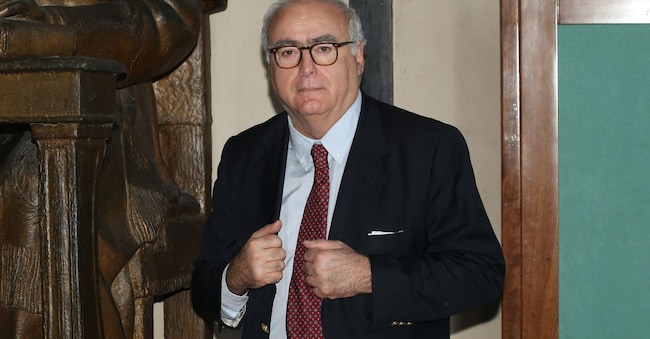
Founded over thirty years ago as a Franco-Italian initiative, the European Association of Territorial Representatives of the State (AERTE/EASTR) now brings together prefects, governors and institutional figures from numerous European and Mediterranean countries. With its registered office at the Belgian Ministry of the Interior and its operational headquarters at the French Ministry of the Interior, the association is the leading network for administrative cooperation. Its members meet to discuss common challenges – from security to migration flows, and from climate emergencies to civil protection – sharing experiences and best practices gained in their respective territories. In recent years, the organisation has gradually extended its scope to include the southern shore of the Mediterranean, involving local representatives from North Africa, Turkey and other partner countries. This international focus has recently been recognised by the European Union Historical Archives in Florence, where AERTE has deposited its documentary heritage. We spoke about this with Ignazio Portelli, Prefect of Enna and President of the association.
President Portelli, AERTE brings together local representatives from very different administrative systems. What is the association’s mission?
‘Across almost all of Europe, there are civil servants who act as a link between central government and the regions, facilitating dialogue between local authorities and national governments. The titles vary – ‘prefect’ in Italia and France, ‘voivode’ in Poland, ‘fylkesmann’ in Norway or ‘wali’ in North African countries – but the role remains the same. The AERTE offers them the opportunity to discuss common issues on a regular basis. Each country presents its own experiences and solutions. The exchange of experiences is an important factor in our collective growth.”
Over more than thirty years of operation, how has the role of the State’s regional representatives changed?
‘As international crises have intensified, dialogue between administrations has become even more important. We discussed, for example, the consequences of the war in Ukraine with colleagues working in border areas. Another significant moment was the discussion following the devastating earthquake that struck Turkey, when we shared experiences and operational procedures regarding emergency response.”

