
The first computer isn’t what it used to be
The high cost of memory is prompting Mac, Windows and Chromebook manufacturers to rethink PC design for study purposes. Here’s what you need to know


For years, the typical school computer had a very specific design: a Windows laptop, lots of plastic, a low price and a battery that needed to be handled with care. At the lower end were the Chromebooks. At the higher end were the MacBooks – stylish but often beyond budget. The MacBook Neo is reshaping the market landscape.
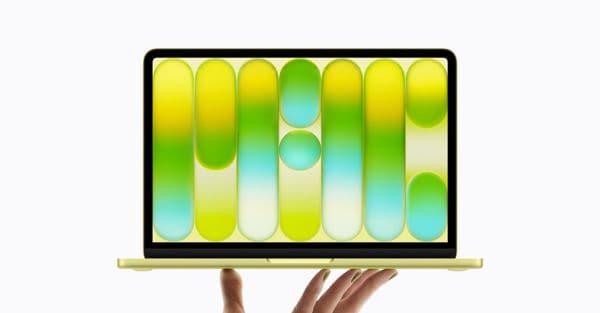
Priced at 699 euros – or 599 for the Education sector – Apple is entering the market for the first ‘proper’ computer. It’s the one chosen by families to see a student through from secondary school to university, set to become the computer bought just before the first bell rings.
Apple has made cuts where they’re least noticeable. The Neo uses the A18 Pro chip, derived from iPhone technology, has 8 GB of RAM, 256 GB of storage and few ports. The keyboard isn’t backlit. In return, it offers an aluminium body, a good display, long battery life and, above all, the Apple ecosystem. For those who already own an iPhone, photos, passwords, messages and files transfer from one device to another with virtually no guidance required. The computer becomes a pass to enter the Cupertino compound. An elegant compound, but a compound nonetheless.
Windows’ answer lies in more affordable machines – without gaming-grade graphics cards but optimised for productivity. Chromebooks from Lenovo, Asus, HP and Samsung often cost less, boot up quickly and work well for web browsing, documents and educational platforms. The Acer Swift Air 14 is an interesting option. Starting at €799, it takes a different approach: a 14-inch screen, a 512 GB SSD, a backlit keyboard, two Thunderbolt 4 ports and one standard USB port. It weighs 1.25 kilos and comes in colours that seem designed to stand out when taken out of a rucksack during break time.
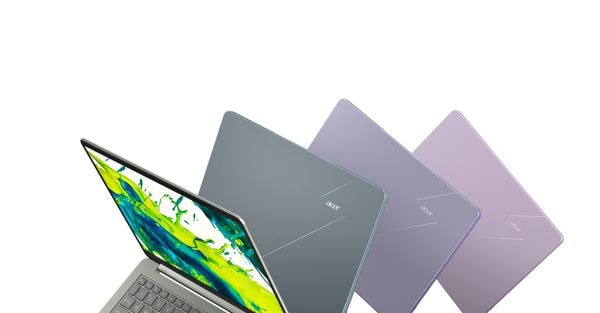
This comparison highlights two different approaches to computing. Apple sells simplicity, integration and brand recognition. Acer offers more space, more connectivity and the freedom of the Windows world. On the one hand, a studio flat designed down to the last millimetre. On the other, a house with several rooms and a few pieces of furniture to move around.


