
The health of the Po Delta Park depends on the care of those who live there
Ornithologist Massimiliano Costa, who has been director since July 2021, discusses the limitations and potential of an ecosystem that is unique in Europe

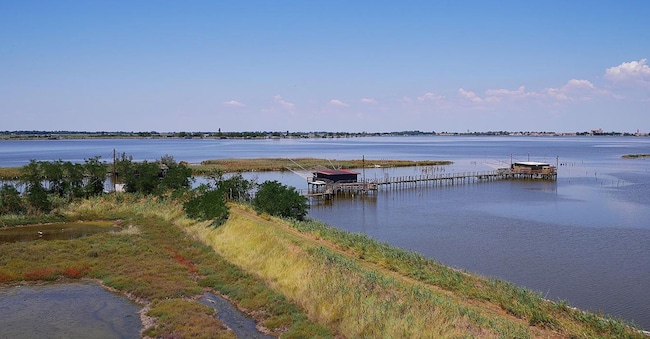
From fiery sunsets to soft dawns that spread across the shallow, flat waters, amongst reeds and glasswort, the staff at the Po Delta Park work tirelessly every day to safeguard one of the finest examples of coexistence between human activity and biodiversity. From Saturday 3 October, the park will launch Italia’s first birdwatching school equipped with artificial intelligence for identifying birdlife using the latest generation of binoculars and spotting scopes. From the branching of the Great River to the first coastal dunes, there will be six stops forming the basis of the courses for visitors wishing to put their skills to the test.
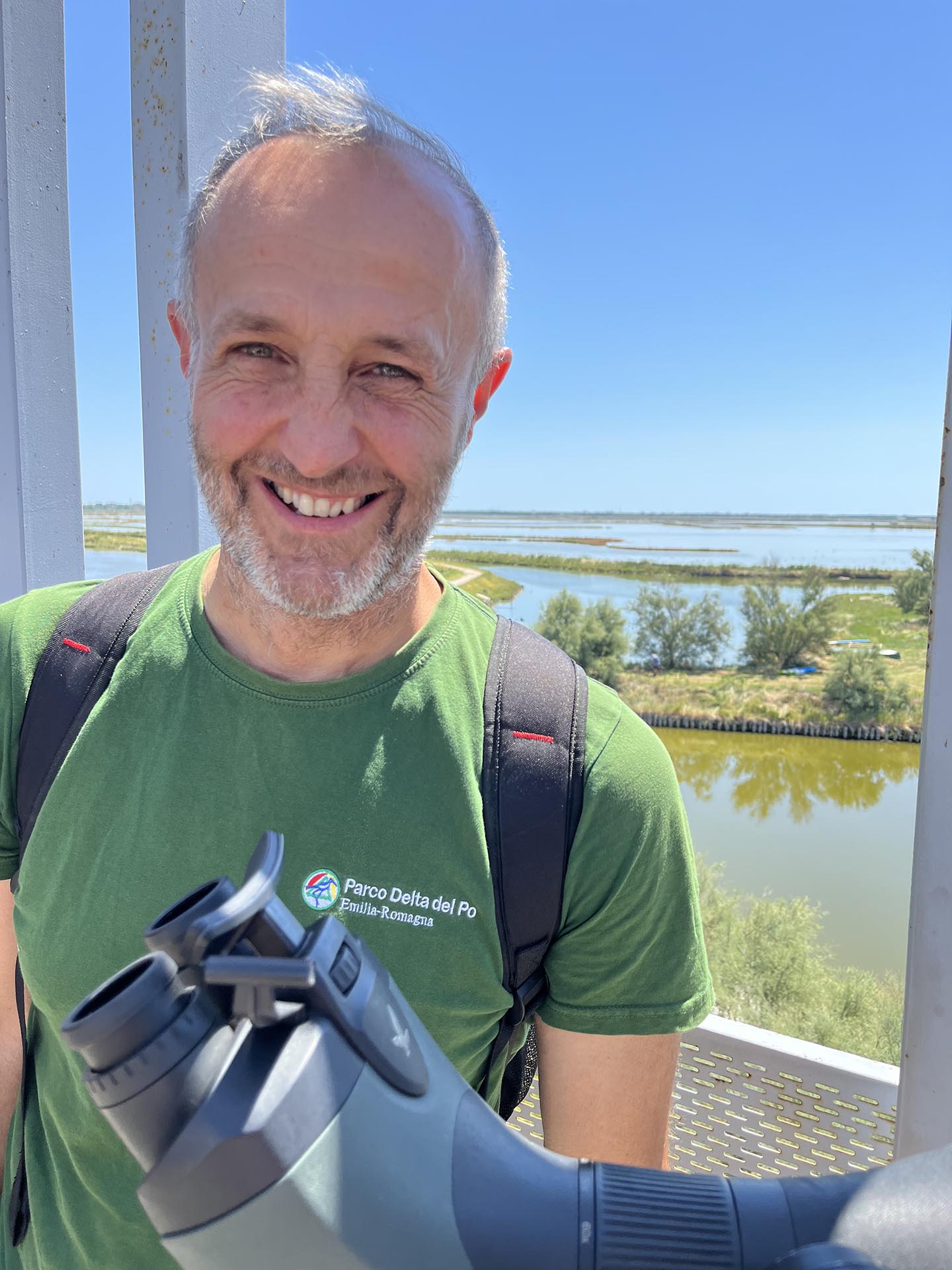
Editor, could you point out the best stops to visit on the map?
“The first is the Foce Fishing Station, where there are always fish-eating birds feeding on the fishing grounds, so it’s easy to observe them up close – there are so many different species. Then there is the Comacchio Salt Marsh, home to flamingos and a great many seabirds and birds of the brackish waters. Heading south, there is the entire Reno embankment, a long stretch linking the two provinces, all the way to Boscoforte, which is another exceptional spot for birdwatching. Also around Comacchio lies Valle Zavelea, the remnant of the large-scale land reclamation project in Valle Pega and the northern area, where the water is home to a vast number of species. This loop around the Comacchio Marshes forms the Park’s great natural monument. Finally, there is an unmissable spot to the south, which Bob Scott considered the most interesting in the entire Delta for birdwatching: the Torretta di Valle Mandriole. This is in the municipality of Ravenna, but just five kilometres from the Comacchio Marshes.”
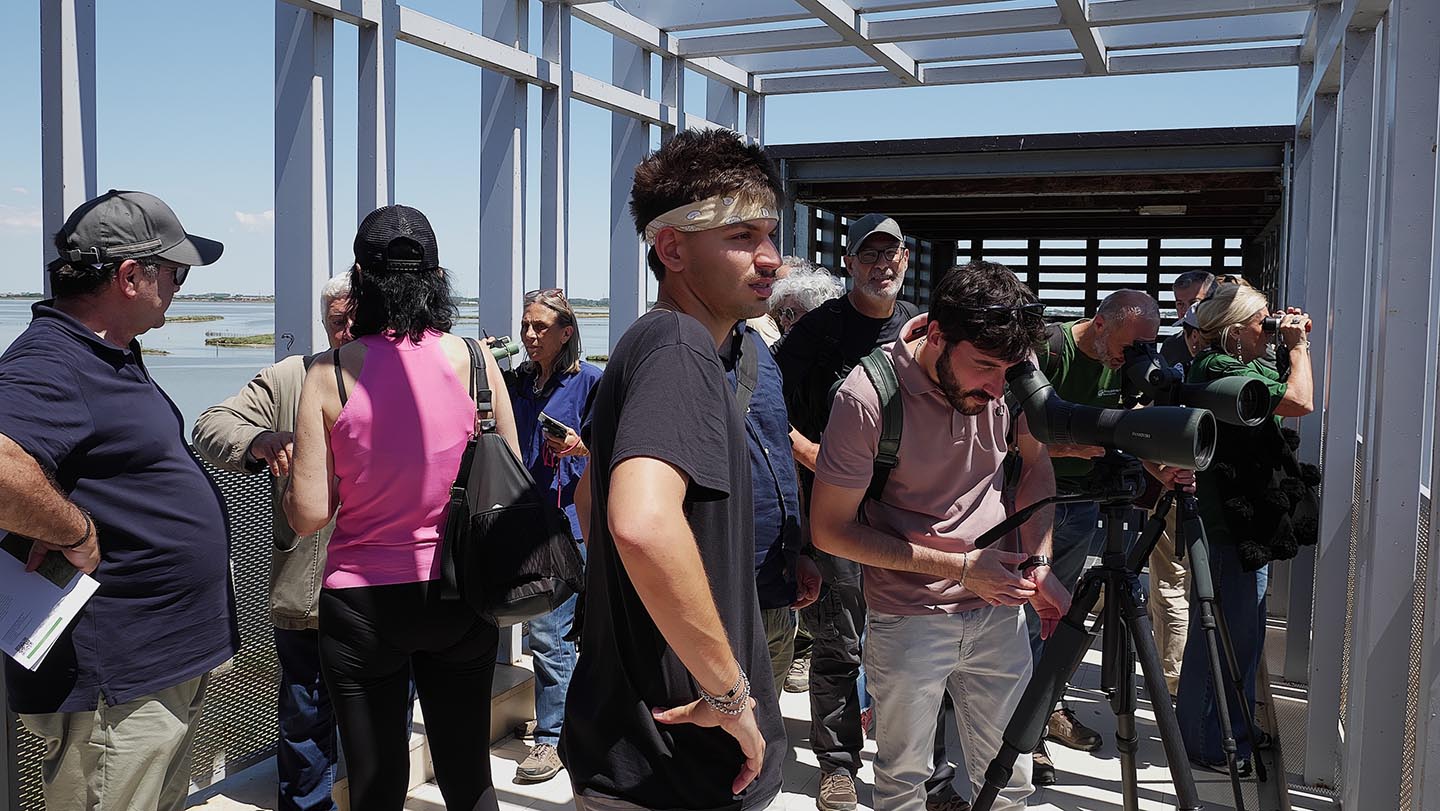
Are the listed observation posts adequately equipped?
“Valle Zavelea has a watchtower and a birdwatching hut; the Comacchio Salt Marshes also have a watchtower and a hut; Mandriole has its own watchtower; the banks of the Reno are, in fact, a long natural watchtower; Boscoforte, on the other hand, does not have a proper hide, but rather a few structures with small windows for observation. Over there, the birds are so used to seeing us at work that they do not fly away, so there is no need for any special screening either.”

