
How medicine is changing

The microbiome and anticipatory medicine: how childhood experiences shape health throughout life

The composition of the microbiome during the first twenty years of life determines biological resilience and the risk of chronic diseases, paving the way for a form of medicine that prevents illness before it manifests itself.

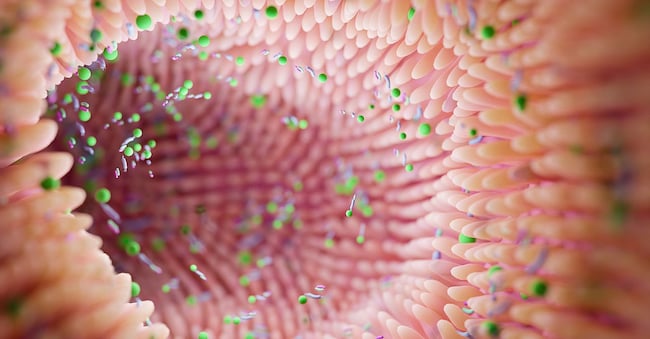
Microbioma, fabbriche intestinali e microbiota. Rendering 3D sulla salute dell'intestino. Microvilli con fabbriche nell'intestino. Illustrazione 3D di alta qualità troyanphoto - stock.adobe.com

8' min read

Translated by AI
Versione italiana

8' min read

Translated by AI
Versione italiana

There is one question that every doctor carries with them without ever being able to answer it fully. Why do two patients with the same diagnosis, the same age and the same treatment course their illness so differently? Why does one recover whilst the other does not? Why do the chronic conditions we treat every day — diabetes, atherosclerosis, fatty liver disease, certain cancers, neurodegenerative diseases — continue to rise despite decades of guidelines, increasingly targeted medicines and widespread prevention campaigns? The answer that biology has been providing us with in recent years is an uncomfortable one, because it implies that we have been looking in the wrong place for far too long.

The Age of the Molecule and its Limits

Twentieth-century medicine was built on the progressive reduction of biological complexity. We started with the organ, moved down to the cell, then to the molecule, and finally to the gene. Each step has provided us with extraordinary tools: antibiotics, transplants, molecular oncology and gene therapy. Reductionism has saved millions of lives and will continue to do so.

Loading...

But it has enshrined a fundamental error of perspective: the assumption that the human body is a closed, self-sufficient system, whose health depends exclusively on what happens within its cells. An assumption that we are learning — through the tools of genomics, metabolomics and artificial intelligence — to see for what it is: a productive illusion, but an illusion nonetheless. The human body is not a closed system. It is an ecosystem. And health is not the absence of molecular errors. It is the resilience of a complex ecosystem.

This is the core of *ecological medicine*: the paradigm that is reshaping the very foundations of how we think about illness, prevention and the role of medicine in society.

The Invisible Ecosystem

Every human being coexists with around 38 trillion microorganisms — bacteria, viruses, fungi and archaea — which inhabit the gut, the skin and the mucous membranes, forming a biological community of extraordinary complexity. Their collective genetic material exceeds that of humans by hundreds of times. They are not merely tolerated guests.

They play a part in shaping our physiology: they transform bile acids, synthesise essential vitamins, produce molecules that regulate the immune system, and modulate the signals that the gut sends to the brain via the enterolimbic axis — that bidirectional circuit linking the gut microbiota to the cognitive, emotional and metabolic functions of the central nervous system.

When this ecosystem is intact, it endows the body with a biological resilience that molecular medicine has been unable to identify, let alone protect. When it becomes disrupted — a condition we call dysbiosis — nothing visible happens immediately. Something far more insidious occurs: it triggers a metainflammation, a chronic, low-grade inflammatory state that is silent and devoid of perceptible symptoms, which gradually erodes the body’s metabolic, immune and neurological balance over years, sometimes decades, before the first clinical diagnosis is made.

Meta-inflammation does not cause any obvious harm. It does not show up in routine tests. But it works behind the scenes, creating the biological conditions in which type 2 diabetes, cardiovascular disease, non-alcoholic fatty liver disease, certain cancers and neurodegenerative diseases can flourish. It is the silent common denominator of the chronic conditions that account for the majority of global deaths — 43 million deaths worldwide each year, three-quarters of all deaths. And the dysbiotic microbiome is its primary source.

The first twenty years that last a lifetime

This is where the newest, most politically significant and most deeply moving aspect of this science comes into play. The microbiome is not merely a biological indicator of the present. It is a biographical archive. Its composition reflects the cumulative history of every exposure an individual has undergone throughout their life. And that history begins much earlier than medicine has ever considered — it begins in the first few days after birth, takes shape during the months and years of childhood, and consolidates into biological patterns that persist for decades.

What shapes the microbiome during the first twenty years of life? Everything. The type of birth — natural or caesarean. Breastfeeding or bottle-feeding. The composition of the diet in the early years. Contact with nature, animals, and rural or urban environments. Courses of antibiotics. Infections. Sleep quality. Physical activity. The quality of the air we breathe, the pollutants we are exposed to, and the pesticides present in the family’s food.

Loading...

And then — and this is where biology becomes indistinguishable from sociology — the emotional and social conditions in which that life unfolds. The emotional stability of the family. Food security at home. The presence or absence of violence, neglect and trauma. Poverty as a chronic condition of biological stress.

Research in recent years has demonstrated, with increasing molecular rigour, that adversities experienced in childhood — that vast constellation which epidemiologists refer to as adverse childhood experiences, or ACEs: physical and psychological abuse, domestic violence, chronic poverty, neglect, family instability — alter the microbiome in profound and lasting ways. Not through vaguely psychosomatic mechanisms.

Through a precise biological cascade: early-onset chronic stress disrupts the hypothalamic-pituitary-adrenal axis, alters intestinal motility and the permeability of the epithelial barrier, and selectively reshapes the microbial community towards pro-inflammatory configurations.

The result is a depleted ecosystem — lacking beneficial species such as Faecalibacterium prausnitzii and Akkermansia muciniphila, and enriched with species associated with inflammation — which persists into adulthood regardless of psychological recovery, improvements in socio-economic conditions or subsequent lifestyle.

At the microbial level, the microbiome retains a biological memory of early adversity. And that memory translates, decades later, into a high risk of chronic disease — cardiovascular, metabolic, oncological, neurological — which medicine encounters in adult patients without being able to identify its origin.

But the process is not limited to acute adversity. It operates with the same quiet persistence through the epigenetic variables of everyday life: the processed food consumed every day, the snacks a child takes to school, the sugary drinks that replace water, the additives found in every packaged food item. Chronic school-related stress. Sleep deprivation — which has become a silent epidemic amongst adolescents. A sedentary lifestyle. Screen time, which alters circadian rhythms and, through them, the rhythms of the microbiome. Every day of the first twenty years of life writes something in the gut’s biological archive. And what is written during those years is extraordinarily difficult to rewrite later on.

Two individuals with almost identical genetic make-ups may follow completely different health trajectories because they have lived in different environments, eaten different foods and had different childhoods. The genome is fixed. The microbiome is not. And it is this plasticity — its ability to be shaped by experience and, at least in part, restored through intervention — that makes it the most promising and most urgent target for 21st-century medicine.

Food that makes you ill and the regulatory gap

Of all the factors that shape the microbiome during the first twenty years of life and beyond, diet is the most powerful and the most easily modifiable. A diet rich in fibre, pulses, fresh vegetables, fermented foods and whole grains supports microbial diversity and the production of short-chain fatty acids — molecules that are essential for the integrity of the gut barrier and immune regulation. It is the diet that the Mediterranean tradition had empirically established centuries before science came to understand it.

Conversely, ultra-processed foods — industrial products rich in emulsifiers, artificial sweeteners, preservatives and colourings — alter the microbiome through mechanisms that have now been documented with molecular precision. This is not primarily due to their nutritional composition, but to the additives they contain. Some emulsifiers such as carboxymethylcellulose and polysorbate 80 physically disrupt the mucus layer that separates the microbial flora from the intestinal epithelium, shift the bacterial composition towards pro-inflammatory species, and induce low-grade intestinal inflammation in animal models and, increasingly, in human intervention studies. Artificial sweeteners alter microbial glucose metabolism. Azo dyes generate genotoxic metabolites through intestinal bacterial activity.

A meta-analysis published in the British Medical Journal in 2024, involving nearly ten million participants, linked high consumption of ultra-processed foods to a 50 per cent increase in cardiovascular mortality and a 40 per cent increase in the risk of type 2 diabetes — associations that remain significant even after adjusting for nutritional composition. It is not the calories. It is the industrial processing, and what it introduces into the gut.

We are facing a historic regulatory gap. Food safety authorities — EFSA in Europe, the FDA in the United States — assess additives on a case-by-case basis, focusing on acute toxicological endpoints. They do not assess the chronic and combined effects on the human microbial ecosystem. Their protocols were drawn up before this aspect of the problem even existed. Science has moved on. Regulation has not kept pace. And in this gap, year after year, the biological and health costs of mass food choices – which the regulations permit without ever measuring their ecosystemic consequences – are mounting up.

Predictive medicine: reading the biological future

This is where the most transformative aspect of all this comes into play.

If the microbiome records an individual’s biological history and predicts chronic disease years or decades in advance, then for the first time in the history of medicine we have a tool that allows us to intervene *before* — not after diagnosis, not when the damage is already established, but at the very moment when the process is still unfolding and can still be halted. This is *anticipatory medicine*: not medicine that waits for symptoms to appear before taking action, but medicine that reads the prognosis of what might happen from the patient’s biological ecosystem — and acts whilst there is still time to change it.

Microbiome profiling, integrated with metabolomic, immunological and clinical data through artificial intelligence, already makes it possible today to create dynamic biological maps for individual patients: identifying meta-inflammatory signatures years before they manifest as disease, stratifying the population by biological risk regardless of genetic predisposition, intervening with precision nutrition, ecosystem-based therapies — ranging from microbiota transplantation to rationally designed microbial consortia — and lifestyle changes tailored to the individual’s microbial profile.

The clinical question of the future will not simply be ‘What illness does this patient have?’, but rather ‘What ecosystem does this patient inhabit, how has it been shaped by the life they have lived, and what can we do now — before the damage becomes irreversible?’

A revolution that calls for political action

Ecological and anticipatory medicine is not merely a scientific revolution. It is a political revolution. If health arises from biological ecosystems, and those ecosystems are shaped by food, the environment, childhood conditions and food regulation — then all of this becomes the subject of medicine. Protecting children from poverty and violence cannot be separated from the prevention of chronic diseases in adults: it is the same thing, viewed through different lenses. The agricultural markets we are bringing into hospitals — as we are doing at 71 Italian healthcare facilities with *La Salute Entra in Campo* — are not merely symbolic gestures: they are primary prevention measures based on the most up-to-date evidence available. The review of regulatory protocols for food additives is not merely an academic aspiration: it is a necessity that the competent authorities now have all the scientific tools to address.

The last century taught us to treat people more effectively. The next one will have to teach us to anticipate. And that transition — from reactive medicine to predictive medicine, from treatment that intervenes downstream to prevention that acts upstream — requires not only better science, but also more courageous institutions, more informed food policies, and a vision of public health that finally recognises the individual for what they are: not a molecular equation to be corrected, but an ecosystem to be protected, from the very beginning of life onwards.

* Full Professor of Internal Medicine at the Catholic University of the Sacred Heart and Scientific Director of the A. Gemelli University Polyclinic IRCCS Foundation in Rome

Copyright reserved ©
Loading...

Brand connect

Loading...

Newsletter

Notizie e approfondimenti sugli avvenimenti politici, economici e finanziari.

Iscriviti