
The never-ending durum wheat crisis: Confagricoltura says, ‘We’re producing at a loss’
The newly established Single National Commission has set price lists below 300 euros for high-quality wheat. The shortfall is over 40 per cent and the area under cultivation has fallen by 10 per cent over 13 years

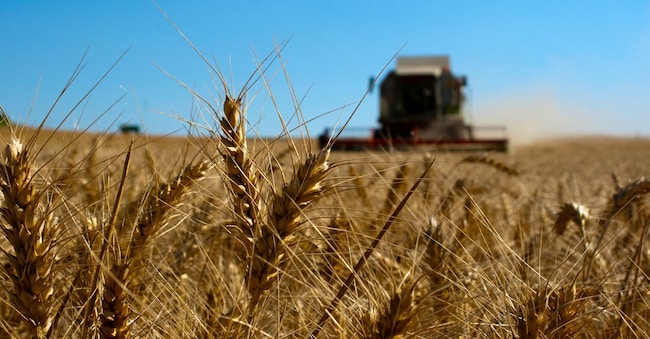
The success of Italian pasta exports around the world seems light years away from the fields of durum wheat – the raw material at the heart of this iconic ‘Made in Italy’ agri-food product – with producers bracing themselves for a loss when they thresh the 2026 harvest. The latest warning comes from Confagricoltura: the prices of the newly harvested Cun – the Single National Commission established after years of clashes and controversy within the supply chain – for premium-quality durum wheat are currently below 300 euros per tonne, “below average production costs: anyone harvesting durum wheat this summer is doing so at a loss”.
In a report, the organisation’s research centre emphasises that the difficulties facing the sector go beyond the current economic crisis. Between 2012 and 2025, thearea under durum wheat cultivation in Italia has fallen by 10 per cent. The self-sufficiency rate has fallen from 78 per cent to 56.5 per cent. Today, over 880,000 hectares would be needed to achieve the elusive goal of self-sufficiency. “Italia relies on imports for almost half of the durum wheat it processes into pasta and this dependence is growing every year, with margins shrinking for cereal farmers, or even turning into losses. This is not – according to Confagricoltura – a market crisis but a crisis of production sovereignty.”
This situation is exacerbated by the rise in global surpluses. Indeed, a further increase in the global supply of durum wheat is forecast for 2026. Consequently, global stocks, which are already at record highs, will rise even further, exerting further downward pressure on prices. “However,” writes Confagricoltura, “we hope that the quality of the domestic raw material will lead to a rise in prices, boosting the value of pasta on Italian and foreign markets.”
The Confederation does not intend to fuel controversy over the price monitoring mechanism (the Cun), but rather ‘to promote a sector-wide strategy that reverses the structural trend towards a reduction in cultivated land and restores the self-sufficiency rate above a safety threshold, thereby guaranteeing an income for our farmers’.
On 15 July, during the summer general meeting, Confagricoltura will present these figures and a number of proposals to Minister Lollobrigida. The aim “is to put an end to fruitless complaints and focus on concrete solutions that align with a long-term vision for the Italian durum wheat sector”.

