
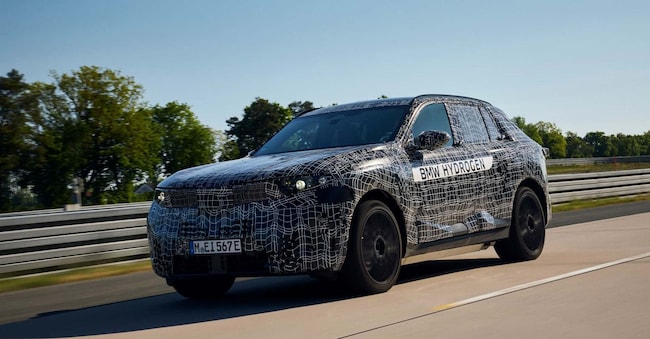
The hydrogen-powered BMW iX5: the new model will go on sale in 2028
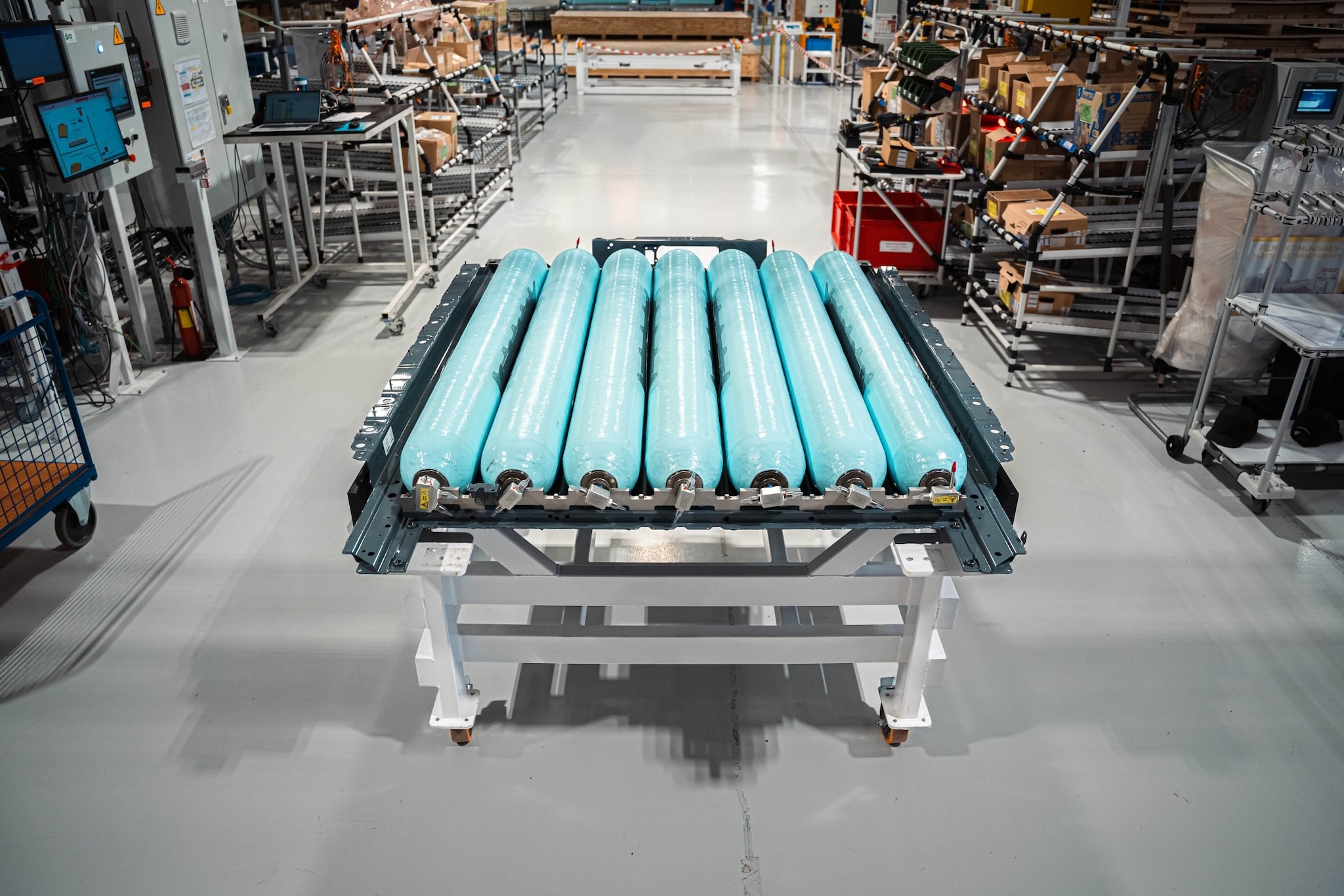
It will feature a new system comprising seven flat tanks that do not compromise interior space. It will also be assembled on the same production line as the other X5 models and will therefore be available in five variants: petrol, diesel, plug-in hybrid, electric and hydrogen-powered

Key points
- The fleet of hydrogen-powered BMW iX5 prototypes has travelled around the world
BMW is preparing to launch a new hydrogen-powered car in 2028, featuring an innovative system called Hydrogen Flat Storage, which solves the problem of bulky hydrogen tanks. With this solution featuring seven flat tanks, the brand is taking a further step forward in the development of fuel cell electric vehicles (FCEVs). BMW’s new approach overcomes a major hurdle, as the new system takes up the same space as the battery in the electric iX5. Furthermore, there is no intrusion into the passenger compartment, unlike with conventional tanks. This will enable the hydrogen-powered iX5 FCEV to be produced on the same production line as the other petrol, diesel, plug-in and electric X5 models.
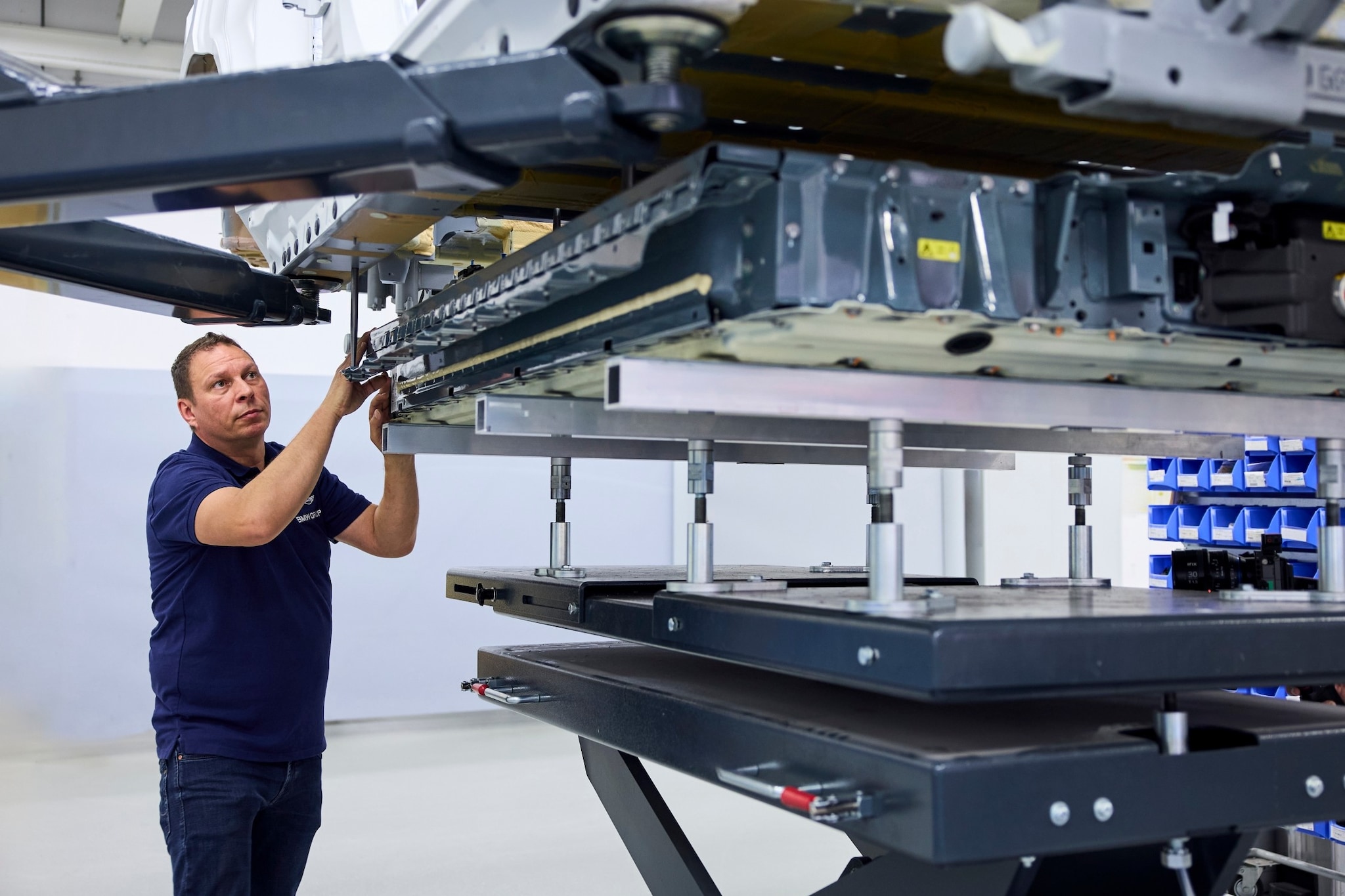
The hydrogen-powered iX5 will be produced on the same production lines as the other X5 models
The standard X5 will now be available with five powertrain options: petrol, diesel, electric, plug-in hybrid and, for the first time, FCEV (Fuel Cell Electric Vehicle), powered by hydrogen fuel cells, as part of what BMW describes as an approach open to all possible drive systems. The five variants will share a centralised control unit, dubbed ‘Heart of Joy’, capable of integrating transmission, braking and driving dynamics into a single system. BMW explains that the electric motor in the iX5 FCEV is the same as in the BEV version. However, instead of a large battery, it uses a hydrogen fuel cell stack to generate electricity using the fuel contained in the on-board tanks.
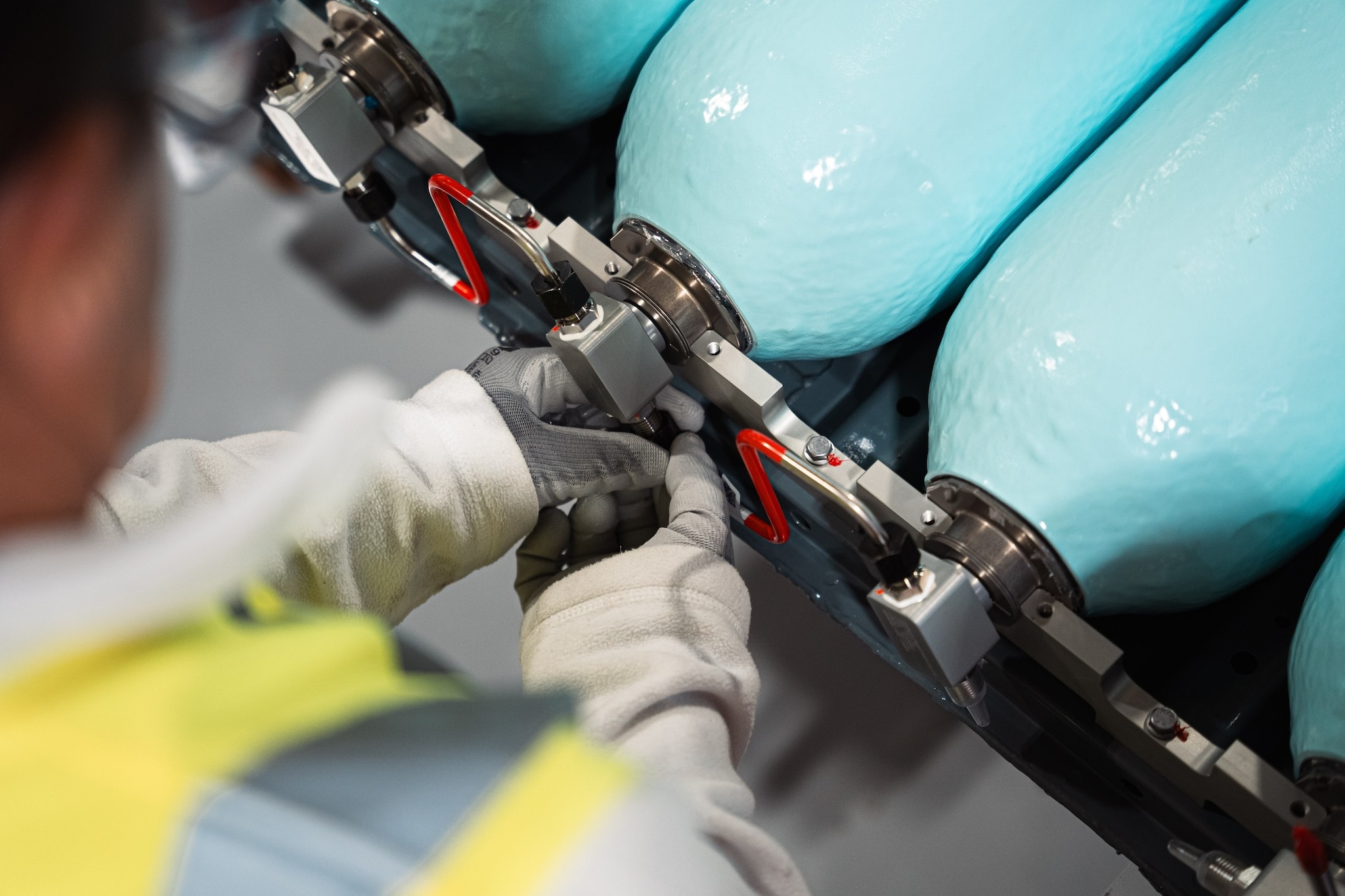
The range is around 750 km, but it only takes 5 minutes to top up
A small high-voltage lithium-ion battery provides the power for acceleration and also stores energy during regenerative braking. The new hydrogen storage system contains a sufficient quantity of hydrogen at a pressure of 700 bar to give the iX5 a range of 750 km. The first prototypes, however, were equipped with a pair of 6 kg hydrogen tanks, providing a range of 503 km. The ability to produce a fuel-cell car on an existing platform, where a compressed gas storage system is housed in the space normally occupied by an electric car’s battery, makes the hydrogen-powered BMW both sustainable and profitable.
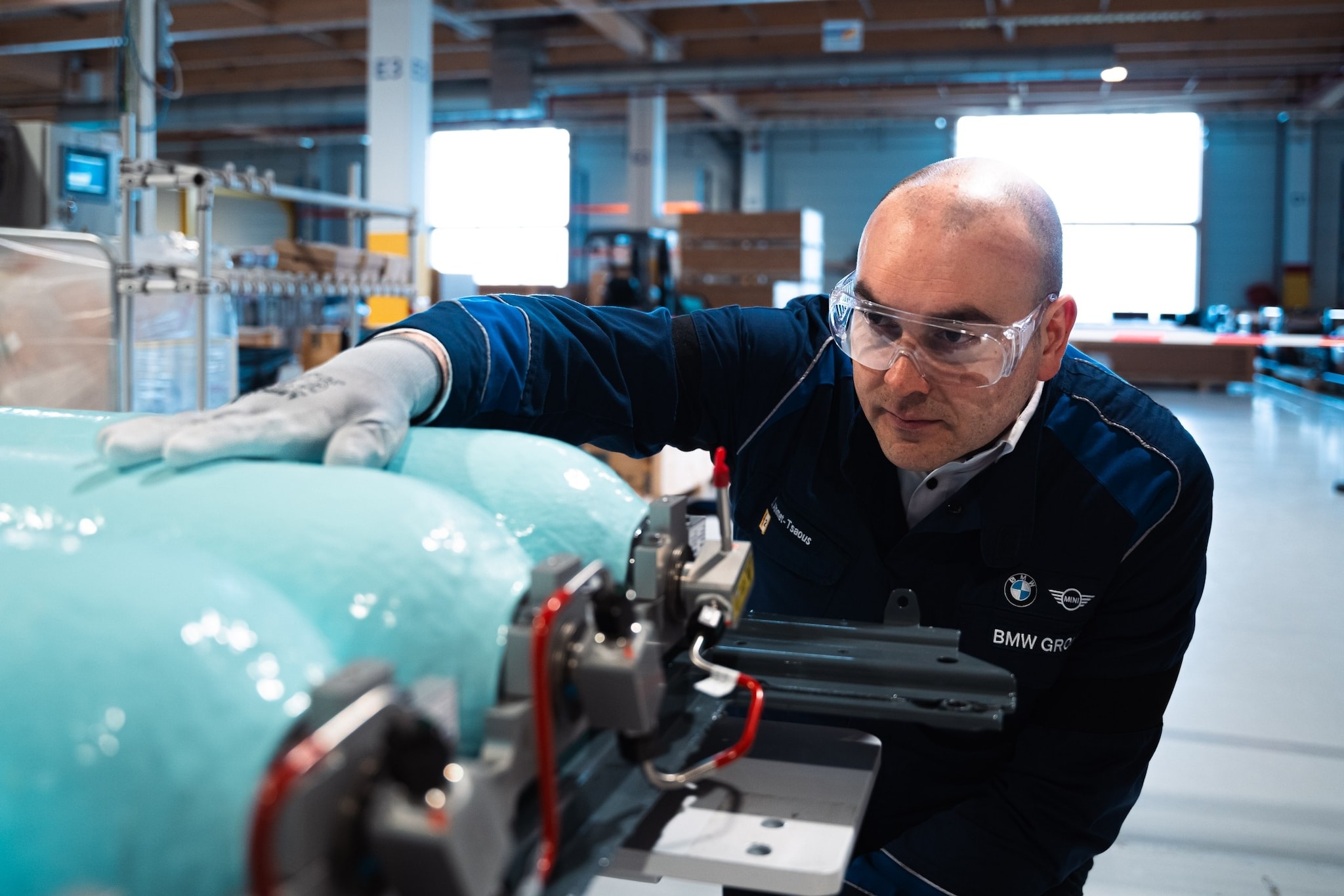
Seven smaller tanks replace the two larger ones
Given that the X5’s architecture can accommodate five different powertrain variants, it should be possible to manage production based on demand rather than relying on bespoke production, as was the case in the past with hydrogen-powered models. This should be a good solution, given that the refuelling infrastructure is still limited. The system for flat-section hydrogen tanks consists of seven containers that replace the two larger tanks found in the first hydrogen-powered cars. Each of these is of type four, meaning they are made of carbon-fibre-reinforced composite material and lined internally with a polymer.
The fleet of hydrogen-powered BMW iX5 prototypes has travelled around the world
The tanks, which are connected in parallel, hold a total of 7 kg of hydrogen, and the vehicle can be refuelled at a hydrogen pump in under five minutes. The seven tanks are integrated into a metal frame and controlled by a single central control valve, rather than operating separately. It forms part of the innovative fuel cell powertrain, the heart of which is the latest third-generation fuel cell system developed in collaboration with Toyota, BMW’s long-standing partner in the fuel cell vehicle sector. The 100 hydrogen-powered iX5 prototypes have been tested worldwide and will become BMW’s first hydrogen-powered production model in 2028.

