The paradox of Call of Duty: Black Ops 7. Richer and richer but we have changed
Activision's franchise looks better but struggles to compromise with the actuality of real wars


If there is one certainty in life, it is that a new Call of Duty is coming out in November. Punctual as a tax bill, but definitely more fun. Or at least, that's how it should be. This year it's Call of Duty: Black Ops 7. I've played them all, from the first Normandy landings in 2003 to the most unlikely space wars. We are talking about one of the richest franchises in video game history. We are talking about over 500 million copies sold in its history. Black Ops II (the granddaddy of this new chapter) remains the undisputed king with over 30 million units. Each year, the game has grown to become a shooter kolossal, a content-rich, self-referential work, unique in its genre. For Black Ops 7, which has just landed on PC and consoles, the challenge presents itself more arduous than usual.
The game was released recently, on 14 November 2025, and is attracting mixed reactions from gamers and critics. Sales have not yet reached the target set by publisher Activision. And the reasons are more than one.
How did Black Ops 7 come about?
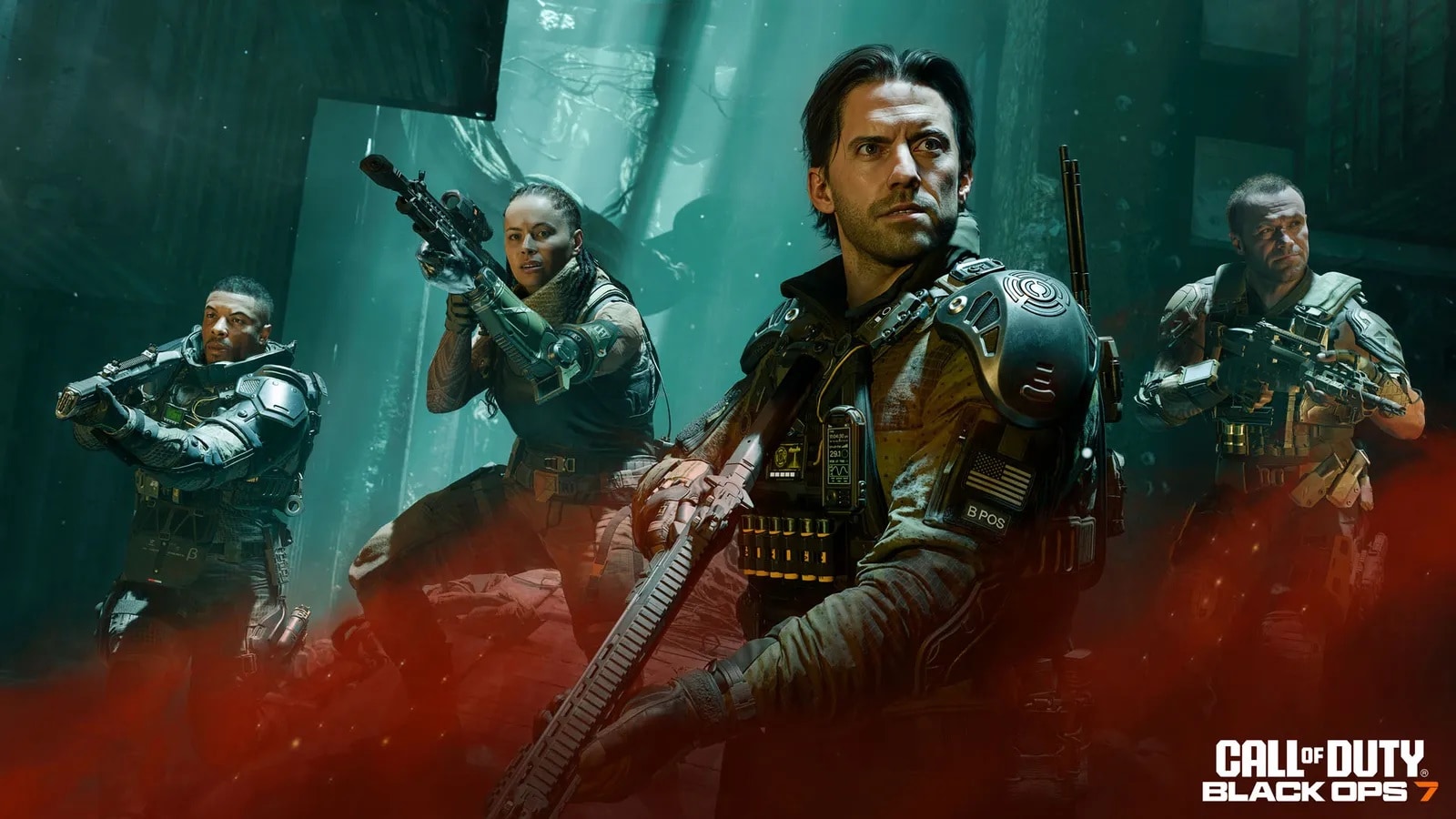
Developed by the Treyarch and Raven Software tandem, this chapter takes us to 2035. David 'Section' Mason returns (yes, the one from Black Ops II, and he even has the face of Milo Ventimiglia, to the delight of the ladies and the envy of us mere mortals). The plot revolves around a mysterious organisation called 'The Guild'. Raul Menendez, the supervillain, does not appear to be dead. The world returns to chaos.
Criticism of the co-op campaign
The cast is stellar. As always Cod is the best war film ever. This time, however, it lacks the writing of the previous chapters. Lots and lots of action and few plot twists. The co-operative component makes everything faster.
What it offers
The problem? Black Ops 7 'betrayed' the single player. The campaign was structured to be played in 4-player co-op. The result?