
The era of the 'agent' PC arrives: the new Windows 11 speaks, sees and acts

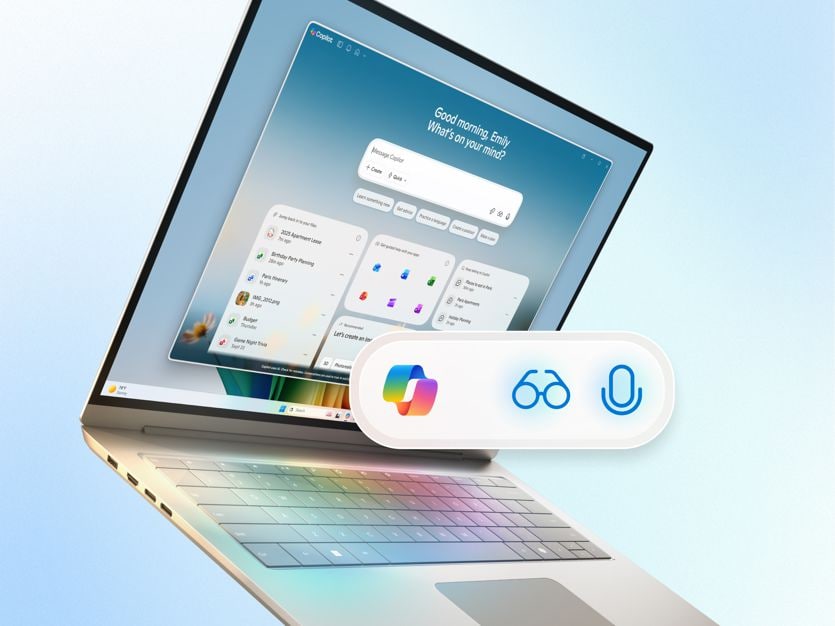
Redefining the relationship between man and machine: these were not the specific words used by Microsoft managers to present an update to Windows 11 that aims to redefine the very concept of personal computer, but the meaning is essentially the same: to transform every device with the latest version of the operating system on board into an AI PC, with the Copilot assistant at the centre of a new interaction experience made up of voice, vision and autonomous actions. The update in question arrives (not by chance, two days after the cessation of support for Windows 10) and adds a further building block to the now long work of experimentation and release started by Microsoft on the generative artificial intelligence front. It is an ambitious step forward by Microsoft, which marks the evolution of Windows by bringing artificial intelligence not as an accessory function but as an integral part of the interface and daily workflow.
A transformative step that makes history
L’obiettivo dichiarato, insomma, è rendere più accessibile la potenza dell’AI a tutti gli utenti, integrandola nell’uso quotidiano degli strumenti che il software mette a disposizione. Con la fine del supporto a Windows 10, del resto, milioni e milioni di utenti stanno già migrando verso Windows 11 per evitare tante problematiche in termini di cybersecurity e rispetto della compliance normativa e questa transizione “forzata” ha per Microsoft tutte le fattezze di un’occasione strategica per consolidare un ecosistema di intelligenza distribuita in cui il personal computer diventa un vero e proprio partner operativo. L’idea, come ha spiegato in una nota Yusuf Mehdi, Executive Vice President e Consumer Chief Marketing Officer della società di Redmond chiarisce Mehdi, è che “ogni persona che passa a Windows 11 possa sperimentare cosa significa avere un computer che non è più solo uno strumento, ma un compagno di lavoro. Crediamo che il passaggio verso un’interazione conversazionale sarà t
The computer becomes an intelligent assistant
Le nuove funzioni Copilot Voice e Copilot Vision, per esempio, rispondono alla criticità legata alla qualità dei risultati prodotti dalla Gen AI e ai diversi livelli di abilità dell’utente nel formulare i prompt: con il nuovo Windows basterà pronunciare “Hey Copilot”, infatti, per attivare l’assistente e impartire un comando in linguaggio naturale, senza più digitare lunghe richieste (un segnale sonoro e un’icona del microfono indicheranno che l’assistente è in ascolto mentre per chiudere la sessione si può dire “Goodbye” o attendere che Copilot termini automaticamente dopo alcuni secondi di inattività). La capacità di “vedere” ciò che appare sullo schermo riconoscendo le applicazioni in uso e i contenuti visualizzati, invece, faciliterà all’intelligenza artificiale il compito di fornire aiuti contestuali, di suggerire modifiche a un progetto creativo, di mostrare come eseguire un’operazione o ancora offrire una guida passo per passo per portare a termine un’azione. La voc
From taskbar to connectors: Copilot enters the workflow
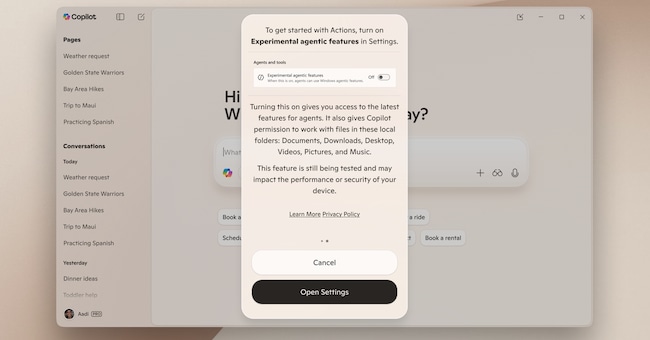
Microsoft's step forward, which will initially benefit Windows Insiders and gradually all other users, does not stop at simple interaction, however, and is demonstrated by a new function, 'Ask Copilot', integrated into the taskbar: thanks to this, the assistant becomes a constant element of the Windows environment, and just a click or a spoken phrase is enough to obtain suggestions and automatically initiate specific actions without interrupting the work in progress. This logic of 'discreet presence' also extends to the search, which has been redesigned to be faster and more responsive and to show immediate and updated results as you type, making it quicker to find apps, files and settings. All this using the Windows API but without giving Copilot direct access to the user's personal content. Perhaps the most interesting new feature, still at an experimental stage, is Copilot Actions: artificial intelligence is now able to
Security and control in the hands of the user
Securing the artificial intelligence agents that are becoming an integral part of the new way of working and creating is Microsoft's declared priority when announcing updates for its operating system. 'Protection,' recalled Dana Huang, Corporate Vice President of Windows Security, 'is at the heart of everything we do,' and the statement sounded like a (necessary) realisation that the new generation of intelligent agents, capable of acting autonomously, carries risks ranging from misjudgement to manipulation of commands through malicious content. The AI agent, the North American company manager wrote in a blog post, now has extraordinary capabilities, but also functional limitations, and can sometimes generate errors or unexpected responses, leading to undesired actions such as data extraction or malware installation. The antidote to these risks is a set of

