
The process for the proposed amendment to the CO2 Regulation is now underway
Zero emissions for biofuel-powered cars: one of the new provisions in the text (rapporteur: Salini) before the European Parliament’s Environment Committee – Pan (Confindustria): ‘It is right to leave open the option of choosing the best solutions’

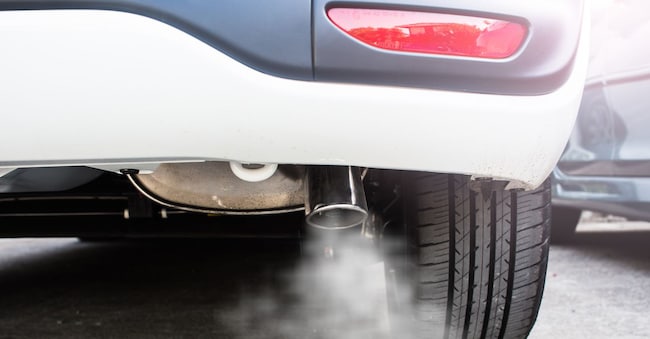
The European Parliament has begun its consideration of the Commission’s proposed amendments to the regulation on CO2 emissions reductions for the automotive sector by 2035. This is the first and most important of the documents on which the Council (Member States) and the Parliament (political groups) are working to amend the Von der Leyen Commission’s vision for the automotive sector and reach a compromise in the trilogue in early 2027.
“The draft report addresses many of the shortcomings in the Commission’s proposal, responding to the sector’s concerns with concrete solutions: it is now important that it is approved without watering down its content,” emphasises Stefan Pan, Confindustria’s Vice-President for the European Union. The text has been formally submitted to the ENVI Committee – the rapporteur is the MEP from Forza Italia-Popolari, Massimiliano Salini. There will be a week for the tabling of amendments and then, in ten days’ time, the start of the debate, which will seek to find common ground on issues that appear technical but are in fact linked to specific industrial visions. The ENVI Committee will be called upon to approve the final text, which will then be presented to and voted on by the European Parliament and used as a basis for launching negotiations with the Council of the EU.
Among the key changes is the introduction, upon the entry into force of the Regulation, of a new category of zero-emission vehicles powered exclusively by sustainable fuels (VEEF) and the possibility of distinguishing between decarbonisation pathways for passenger cars and light commercial vehicles, giving the latter sector more time and flexibility. Among the key points, the possibility of using – with immediate effect rather than from 2035 – sustainable renewable fuels and green steel to obtain emission credits, with a credit system strengthened even beyond 2035
“This is a first step,” insists Pan, “but it demonstrates that legislators in Brussels are gradually becoming more aware of the issue. “Now that decarbonisation targets have been set, it is right to leave it to operators and consumers to choose the best solutions for each context, moving beyond the ideological and one-size-fits-all approach that has characterised European strategies to date.”
A complex game is being played out in Europe regarding the automotive sector, one that involves not only differing political cultures but also divergent visions of industrial policy. It cannot be ruled out that the proposal will be passed by a ‘variable majority’, with the support of the Right but without that of the Socialists, for example. It is equally likely that, regarding the Industrial Accelerator Act – another key piece of legislation for the future of the automotive industry – a clear divide will emerge in the Council between France, which favours the ‘Made in Europe’ system, with the requirement that cars contain a percentage of components made by European manufacturers – up to 70% – in order to qualify for credits and aid, and Germany, which is far more critical on this point.

