
The RAM crisis: how artificial intelligence drove up computer prices
AI data centres starve the consumer market: prices quadrupled in three months

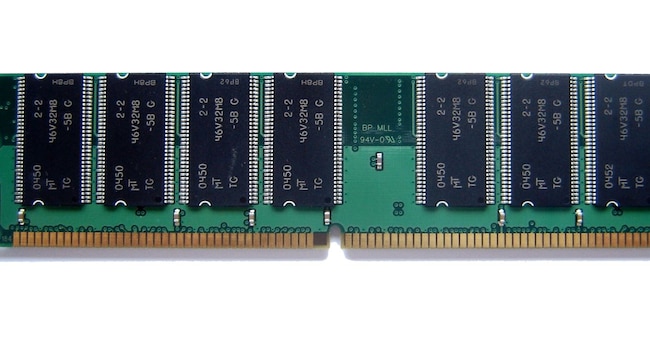
The boom in artificial intelligence is there for all to see. What is less seen, however, is what makes it possible: the explosion in demand for the hardware components needed to run the gigantic data centres. Chips are the symbol of this race, but they are not the only protagonists. There is also everything that serves to store and circulate data. In other words: memories.
The same ones we find in our laptops, smartphones, game consoles and even smartwatches. And if RAM manufacturers, mainly concentrated in Taiwan and South Korea, are sounding the alarm, the reason is simple: production can no longer keep up with a demand driven almost entirely by AI data centres. What until recently was a cheap and abundant component has turned into a strategic resource, with price increases never seen in the consumer market. Behind these numbers is a precise choice by the world's three big memory giants - Samsung, SK Hynix and Micron - who have converted around 20% of their production capacity from 'traditional' RAMs to HBMs (High Bandwidth Memory), much more expensive and profitable chips that have become indispensable for data centres dedicated to artificial intelligence.
The technology that changes the rules of the game
HBMs are not simply faster RAMs. They change the very way memory is built: instead of being arranged next to each other, the chips are stacked vertically, like a skyscraper. The result is a much higher data rate. A single AI GPU, equipped with the latest HBM memories, can use up to a terabyte of memory. Multiply this figure by the thousands of cards in each data centre and the picture becomes clear: demand is simply out of scale with the consumer market.
According to TeamGroup data, DRAM DDR5 chips, the standard for modern computers, rose from $6.84 to $27.20 between September and December. An increase of about 300% in just three months. And the outlook is not reassuring: for 2026, increases of up to 50% per quarter are estimated in the first half of the year. The consequences are beginning to be felt with major manufacturers - Dell, Asus, Lenovo - having already announced price increases on laptops coming in December and January. On the Chinese market, Honor has urged users to buy a new tablet as soon as possible in order to avoid future price increases, and Xiaomi has also had to run for cover, announcing a price increase for all its tablets on the Chinese market. Estimates speak of price increases of between 10 and 20 per cent for laptops and between 20 and 30 per cent for smartphones.
In telephony, analysts speak of an even more pronounced impact. According to an analysis by Counterpoint Research, the production costs of cheap smartphones have already risen by 25 per cent, those of mid-range models by 15 per cent and those of premium devices by 10 per cent. But it is not just a question of costs: it is availability that has plummeted.

