
The recipe for being an entrepreneur and leader? The power of human transformation
A former professional volleyball athlete, Claudia Georgia Banella combines sporting values and inclusive leadership, fostering corporate change at Karl Storz

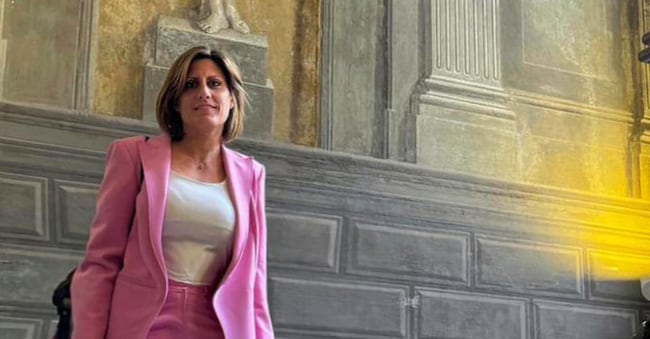
A former professional athlete in Serie A volleyball, she has been included in the Forbes Top 100 women ranking and in White Page International's prestigious 200 Global Women Power Leaders ranking. Claudia Georgia Banella is a manager (and mother of two) with a past in the world of sport who has very clear ideas on how to live and manage an organisation and has 'trained' them over the years and in particular over the last two at the head of the Italian branch of Karl Storz, a historic German multinational active in the field of endoscopy.
In un Paese come l’Italia notoriamente non all’avanguardia per partecipazione femminile al lavoro, ben al di sotto di Germania, Francia e Spagna, l’esempio di Banella suona come da monito per scardinare alcuni (ma persistenti) luoghi comuni, a cominciare da quello che preclude la possibilità di conciliare famiglia e un lavoro di elevata responsabilità. Nella sua azienda, Banella ha puntato su una politica di assunzioni incentrata su curiosità, attitudine e senso di appartenenza e alzato al 61% la percentuale dei nuovi ingressi in organico rappresentato da donne, abbassando l’età media complessiva intorno ai 41 anni. Programmi di coaching e di climate building, percorsi di ampliamento delle soft skill e di formazione manageriale con il modello “Leadership Prism”, un esteso piano di people empowerment e totale parità di retribuzione tra uomini e donne con un’introduzione strutturata dello smart working al 50%, che si completa con l’adozione di un sistema di “flexible benefits” per prote
How much has your experience as a former professional athlete helped you in your career off the field?
Lo sport, soprattutto se è di squadra ha alcune componenti fondamentali e fra queste metto davanti a tutte il fatto che va a focalizzare le persone su valori, impegno, disciplina e sacrificio. Quando da ex atleti si entra nel mondo del lavoro non si è quindi spaesati rispetto a certi requisiti standard e sicuramente ho tratto beneficio dalla mia precedente esperienza. C’è però un “limite” da considerare, se tale possiamo definirlo, ed è la propensione al giocare sempre per vincere e a non accontentarsi mai. In azienda ho imparato invece che serve celebrare i piccoli successi e le piccole conquiste, perché non tutti hanno questa propensione a puntare all’eccellenza continua, al miglioramento costante e progressivo. Affrontare le diverse velocità che caratterizzano il modo di lavorare di una grande organizzazione è stata per me una grande lezione, che mi ha insegnato a sviluppare la capacità di rallentare per coinvolgere tutti i componenti del team e per assecondarne le esigenze rispetto agli o
Being a manager in an environment of permanent uncertainty and in an increasingly digital world: what does it mean to you?
I have been a manager for more than 15 years, and for most of my career I have felt like one, with the task of optimising and improving processes and systems. Since joining Kark Storz, however, the perception has changed, because I have taken on the responsibility of leading a group that has changed almost entirely. 70% of the current workforce are new hires, the growth of the business has been sudden, and today I feel more like an entrepreneur than a manager, putting my skills as a professional and a former athlete at the company's disposal. I am living and facing a transformative experience, and while new technologies can be a great accelerator of even complex processes, even in the healthcare and surgical field such as ours, it is still true that companies are made up of people and their aspirations. And those who manage people have the responsibility to take the best from their team and not simply transfer tasks to be performed: we must create and
And this is your vision of leadership?
Leadership today is measured by the ability to build internal communities, and the leadership of the future must be inclusive, responsible, sustainable and positive impact-oriented. I am convinced that leading a team of people is synonymous with empathy and shared growth. People who work cannot feel perfect for every role in the organisation, and above all cannot do so forever: companies change, and the skills required change accordingly. It is necessary to understand whether you can do your best in the context in which you work and whether you can make a difference. The people who work with me must not only be employees and professionals but human beings who can also improve outside the company. There is no need to chase after the job title at all costs, but to choose the right project.

