
The resurgence of high-fibre diets is giving rise to new products and filling up the shopping trolley
The widespread use of weight-loss medicines influences purchasing decisions and the development of bespoke products by companies

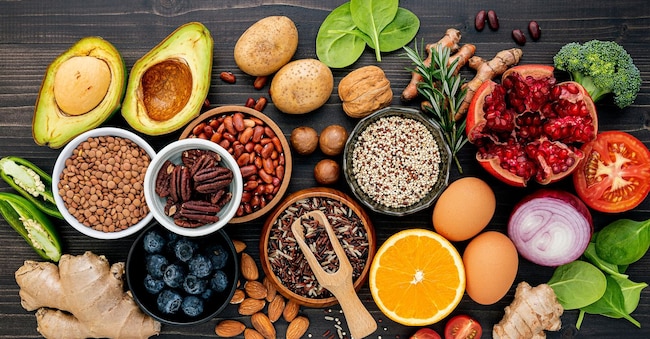
“Is ‘Fibermaxxing’ the new ‘high protein’?” The signs are all there: this hashtag dedicated to high-fibre diets is trending on TikTok and Instagram, whilst the label claim that a food is high in fibre influences the choices of 20 per cent of consumers, compared with 13 per cent who are guided by high protein content, reveals YouGov.
The role of fibre in promoting physical and mental health and longevity is driving the market for high-fibre products, which Mondor Intelligence currently estimates to be worth around 10.7 billion dollars and which is set to exceed 19.7 billion by 2034. Behind this significant growth lies primarily the effect of the ‘democratisation’ of GLP-1 drugs for weight management (such as Ozempic, Wegovy and Mounjaro), which encourage people to choose high-fibre foods to manage satiety and improve gut health, thereby changing the contents of their shopping trolleys.
The quick and easy approach to weight management offered by these medicines has already begun to have an impact on mass-market consumption, given that GLP-1 users in Europe (7 per cent of households) represent a potential spending figure of around 70 billion euros, according to YouGov’s estimates. In Italia, these medicines have already found their way into one million households, which have spent 2.3 billion euros on over-the-counter purchases in the last six months. Given the high proportion of consumers who plan to start using them in the next six months, the GLP-1 user base could double in the short term, signalling strong growth in demand.
The food industry (and also some retailers, such as Sainsbury’s) have already picked up on this trend, as evidenced by the increase in the number of food and drink products whose labels highlight their high fibre content. In Italia the claim “fibre’ appears on over 4,400 products, which by 2025 had seen sales increase by around 2.5 per cent in both volume and value, exceeding 1.7 billion in sell-out value, according to the latest edition of GS1 Italy’s Osservatorio Immagino.
The growth of this product range, which is well above the grocery average (+0.7% by volume and +1.6% by value), is driven by the expansion of the product range: alongside the already well-established breakfast cereals, frozen vegetables, functional yoghurts, crackers and health-conscious biscuits, new products have also been introduced in the pasta, whole-grain cereals and bread substitutes categories.

