
The Supreme Court rules against Trump: anyone born in the US is an American citizen
The president would have liked to ban the right to citizenship – ius soli – for the children of undocumented migrants
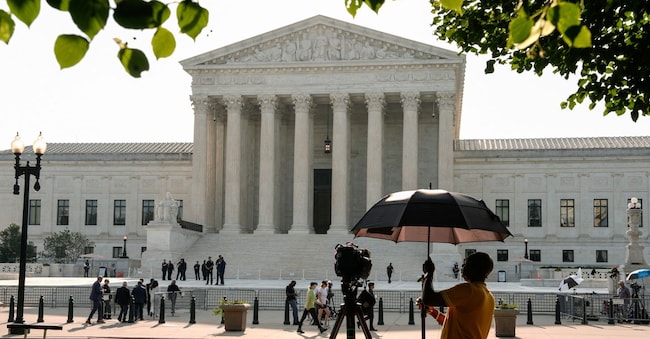
The US Supreme Court has ruled against Donald Trump on the issue of citizenship. The US President had issued an order to restrict citizenship by birthright in the United States. This battle over ius soli was one of the priorities of the right-wing administration in its crackdown on immigration. Trump wanted to deny citizenship to the children of undocumented immigrants. The Court ruled instead that anyone born on US soil is, in any case, an American citizen.
For the second time in a year, with this ruling – passed by 6 votes to 3 – the Supreme Court has decided to overturn a major Trump initiative. In February, the judges had overturned the global trade tariffs introduced by the Republican administration.
On the right to become US citizens, the judges upheld a lower court’s ruling blocking Trump’s executive order, which required US agencies not to recognise the citizenship of children born in the United States when their parents are not US citizens or permanent, legal residents of the US – that is, green card holders. The challenge to Trump’s order argued that it violated the 14th Amendment to the US Constitution, which grants citizenship to those born in the United States who are ‘subject to the jurisdiction thereof’.
Trump has repeatedly tested the limits of presidential power in both domestic and foreign policy. He issued the order last year, on his first day back in the White House, as part of a series of policies aimed at curbing immigration, both legal and illegal. Critics have accused the Republican president of racial and religious discrimination in his approach to immigration.
The appellants argued that the Supreme Court had already settled the issue of citizenship by birth in an 1898 judgement, United States v Wong Kim Ark, which recognised that the 14th Amendment guarantees citizenship by birth on US soil, even to the children of foreign nationals.


