Rossini's 'Tancredi' at the Festival della Valle d'Itria
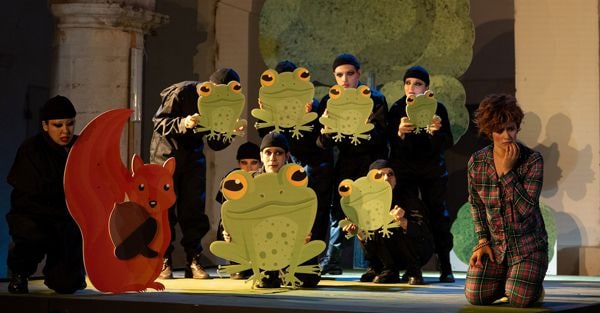
Also on the bill is Maurice Ravel's 'L'enfant et les sortilèges', until 3 August

3' min read
3' min read
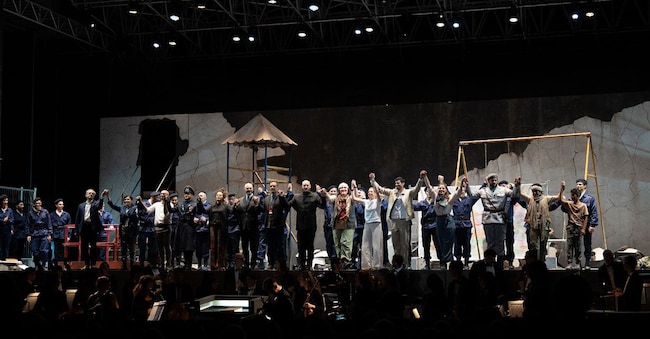
Rossini's 'Tancredi' at the Festival della Valle d'Itria is a succulent dish, for the pleasure of bel canto singers and for that of the style-conscious of the greats. The same layout as the previous Britten signed by Giuseppe Stellato, with the two turrets at the extremes of the stage reached by stairs represents a principle of healthy economy. And the faded red metal merry-go-round where the child in 'Owen Wingrave' used to play is also fine: there it was a symbol of innocent peace, here perhaps of Rossini's da capo twists and turns. All might suffice.
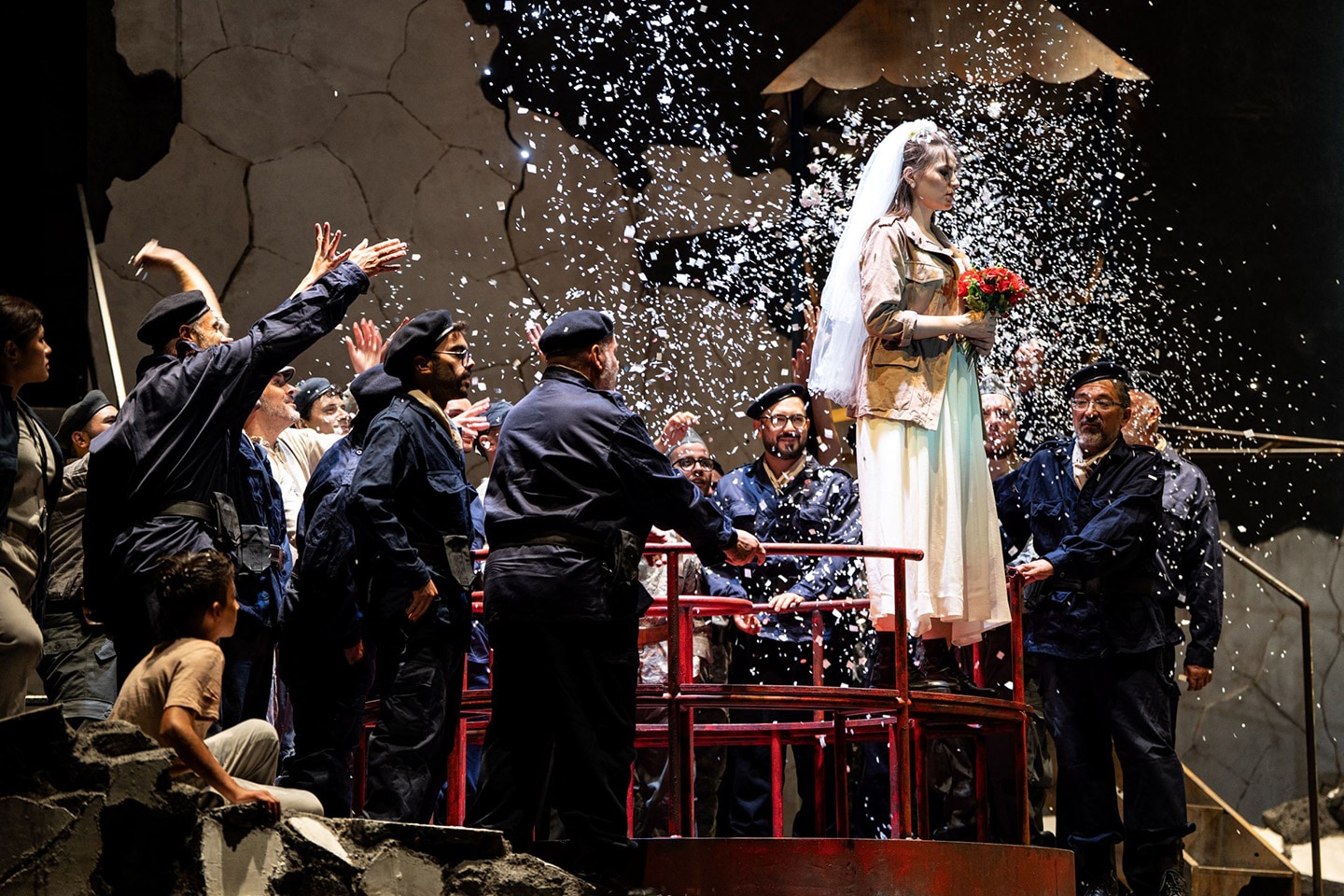
But director Andrea Bernard does not curb his effervescent creativity, which places him among the most interesting of his young generation, and from the merry-go-round he generates an entire playground and, to separate the camps between the belligerent Sicilian and Saracen contenders, uses metal bulkheads, like Guantanamo or any prison enclosure.
And again, to make sense of the action and the two endings - which would be fine just as they are, as absolute as Rossini's music - he invents the story of a child, a delightful and already very good actor Carlo Buonfrate, but who distracts attention and above all tension. He says 'Nooo' when Tancredi dies.
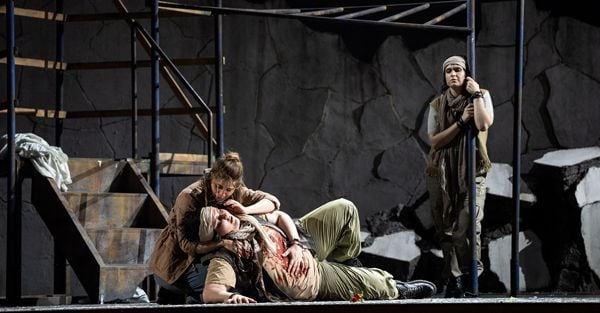
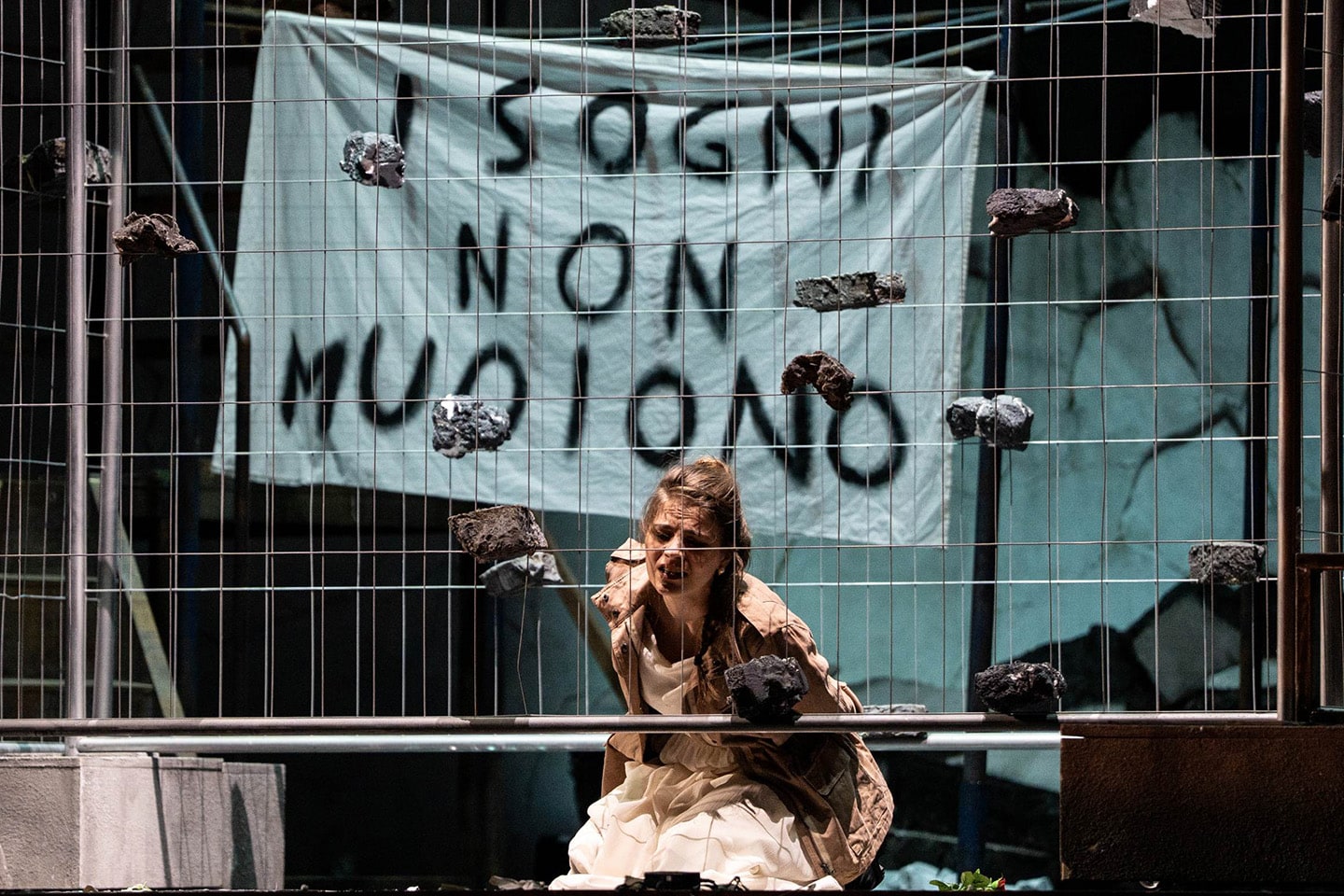
And the knight by magic effect rises and comes back to life, with a somewhat naïve expedient. As do the sheets with childish drawings: the sun, the ideal family, the words 'Dreams don't die', dangling from the metal grids. Too many gestures are useless. Too many explanations flood the work's engine. Perhaps recovering a more abstract and free dimension would not be bad, at least to try a less conventional path. No more wars on stage, no more overturned school desks, no more military wrecks. And also less generic uniforms, and no more cheap costumes.
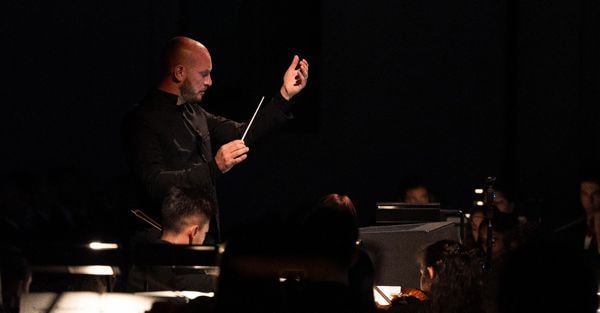
The performance of 'Tancredi', however, is a fine one, with Sesto Quatrini's conducting spearheading it, with measured and effective gestures, full of ideas and with a splendid holding of the whole of Rossini's grand arcade. He fully deserves the Festival's Best Artist award. Also because he succeeds in getting the Orchestra of the Accademia della Scala to play at its best. As he only partially succeeds in Daniel Cohen in Britten, which was technically skilfully concerted, but with little sonorous result.