
UN Court of Justice: 'States have an obligation to combat climate change'
"Climate change treaties lay down strict obligations; a state's failure to take appropriate measures may constitute an international tort." The opinion is not binding, but will have an impact on future lawsuits, including claims for compensation. Victory for the small Pacific island nation Vanuatu

3' min read
Key points
3' min read
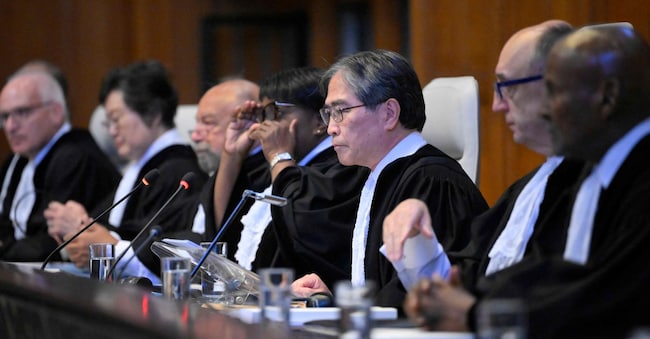
It is a historic pronouncement, the one issued on 23 July by the UN International Court of Justice: states, the Hague judges said, must address the "urgent and existential threat" of climate change by working together to limit greenhouse gas emissions. Above all, said the Court's president, Yuji Iwasawa, "climate change treaties establish strict obligations" and failure to comply with them may constitute a violation of international law.
Rights and duties
According to the Court's unanimously adopted opinion, 'the failure of a State to take appropriate action to protect the climate system from greenhouse gas emissions, including through the production of fossil fuels, the consumption of fossil fuels, the licensing of fossil fuel exploration, or the provision of fossil fuel subsidies, may constitute an internationally wrongful act'. And in relation to damage caused by climate change, 'in the event that restitution proves materially impossible, responsible states have an obligation to compensate'. According to international standards, 'the right to a clean, healthy and sustainable environment is essential to the enjoyment of other rights'.
National climate plans to combat global warming must therefore rise to the challenge and collectively meet the standards to meet the goals of the 2015 Paris Agreement, which commits to keep the increase in global average temperatures at the end of the century well below 2 degrees Celsius and as close as possible to 1.5 degrees, compared to the pre-industrial period.
The goals of the Paris Agreement actually already seem out of reach, with average global temperatures heading for a rise of more than three degrees, according to various simulations, including that of the UN Emissions Gap Report.
Climatic Justice
.The Hague Court's 15-judge ruling runs to over 500 pages. It is not binding, but will weigh on future climate lawsuits. "This is the beginning of a new era of global climate responsibility," said Danilo Garrido, legal counsel for Greenpeace.


