The World Cup as a megacity: the technological challenge of hosting six billion viewers
Nacho Fresco, FIFA’s Director of Technology and the head of technology who designed the infrastructure for this year’s World Cup, speaks.

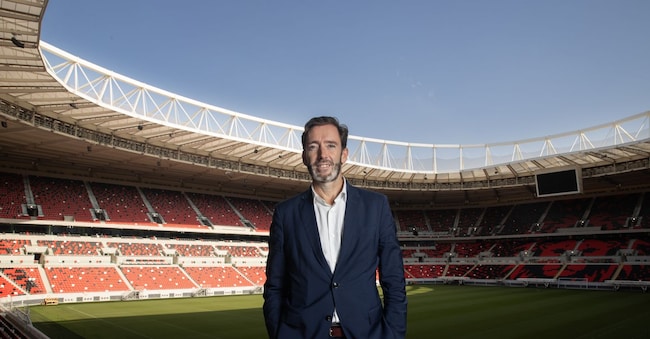
The World Cup is no longer just the world’s most-watched sporting tournament, but a complex and interconnected technological infrastructure, comparable in every respect to a ‘mega-city’. With the upcoming 2026 edition, the organisational and digital challenge will reach unprecedented levels. “This time, for us too, the 2026 edition is even more complex and bigger than before. We have 48 teams, 106 matches over 10 days – more than in previous World Cups – and three host nations, with matches spread across ‘16 different cities’,” explains Nacho Fresco, FIFA’s Director of Technology, whom we met at the Consumer Electronics Show in Las Vegas.
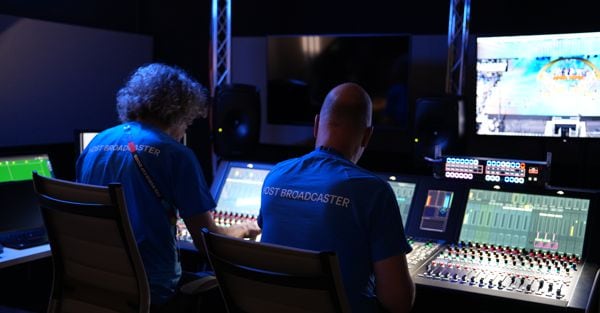
A centralised network between Miami and Dallas To manage such a vast ecosystem, FIFA has implemented a model of total centralisation. “From a technological complexity perspective, linking all these sites together – because everything is interconnected – is madness,” admits Fresco. The solution lies in two major American hubs: “We manage all operations from the operations centre, which is located in Miami, whilst the broadcast network we manage is equally centralised at the International Broadcast Centre in Dallas.” This enormous network infrastructure connects not only the stadiums, but around 200–300 different venues, including hotels and training grounds, all of which are constantly connected to one another.

The Intelligent Command Centre and the cyber threat During the tournament, a huge amount of traffic is generated – we’re talking about ‘terabytes of live data’. This immense volume of information requires strict security management. Fresco introduces the concept of the Intelligent Command Centre, a sort of Security Operations Centre (SOC) to monitor everything that happens in real time. Technology steps in to prevent tangible risks to the crowd: ‘If access control fails, you have 50,000 or 80,000 people waiting. This creates a physical security problem, not a technological one,’ the manager emphasises. If the turnstiles at the stadiums were to jam, “we’re creating a potential problem, which is why we have to monitor” constantly.
The biggest concern, however, remains cyber security.
At an event of this scale, resilience and protection against cyberattacks are top priorities. “We cannot afford any slip-ups,” warns Fresco, recalling that during the 2022 tournament, FIFA suffered “more than 10 billion cyberattacks”, including public threats from Anonymous. To secure the system, the federation is working closely with “government agencies, who will also be with us in the technology operations centre, as we are also monitoring cyber security”.