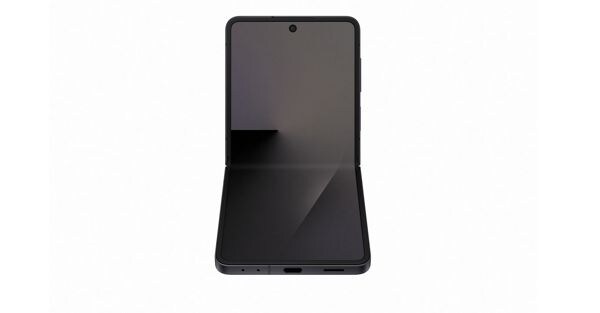
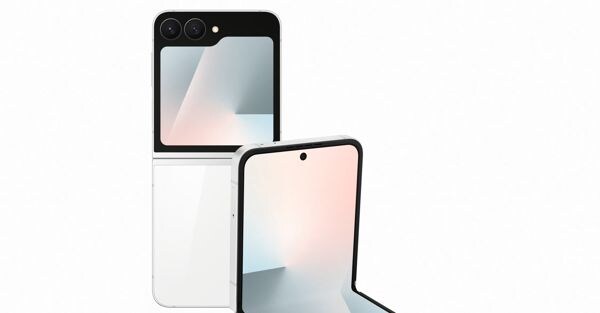
Samsung: Galaxy Z Fold7 and Flip7, the latest in thinner and lighter foldables
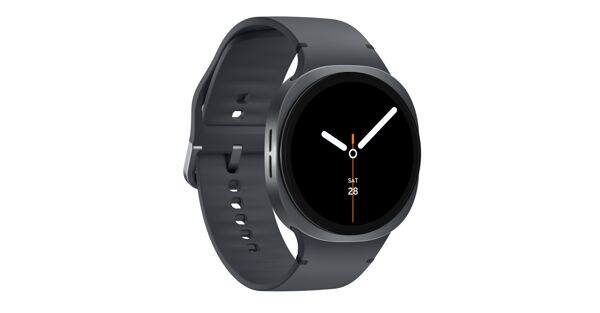
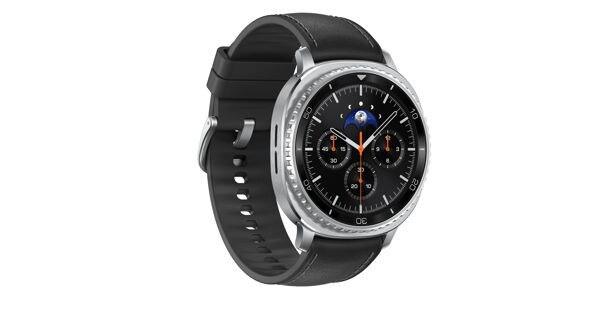
Galaxy Z Fold7, Galaxy Z Flip7 and Galaxy Watch8 phones presented in New York. The Korean giant is the technology leader in foldables but prices do not drop

4' min read
4' min read
Thinner, lighter but the price doesn't drop as much as it should. Samsung returns to the stage for the Galaxy Unpacked to confirm its strategy on foldable devices and artificial intelligence. The timing is not the best: in the quarter that ended in June, Samsung's profits fell for the first time since 2023, reflecting growing market share losses that cloud the memory chip maker's prospects in the artificial intelligence era.
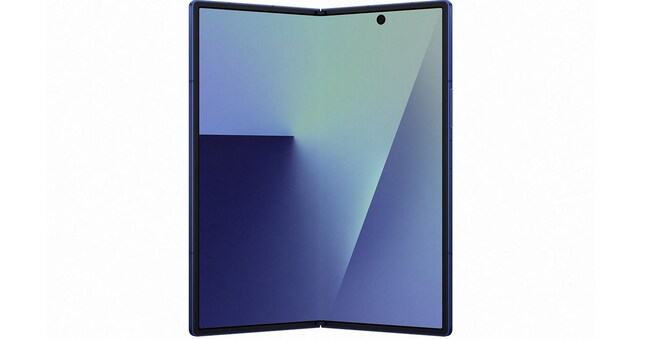
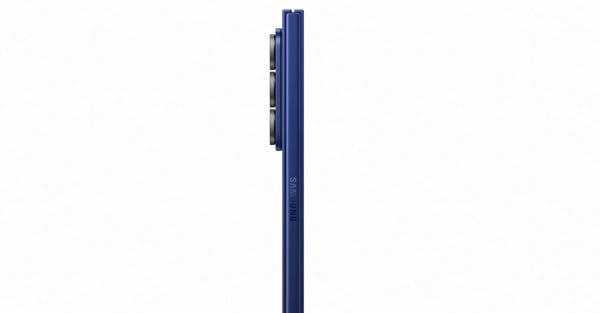
In New York they presented the new Galaxy Z Fold7, Galaxy Z Flip7 and an FE series model (cheaper) and the Galaxy Watch8. On the foldable segment, expensive but with high margins, the Koreans are betting to further support the mobile division, even if tariffs-related uncertainties weigh heavily. But the strategy is unchanged for the time being: thinner and lighter devices, AI integrated at system level, and a focus on the premium segment, which is the most niche but with the highest margins. The market's indication was to have devices that are more manageable and comfortable to hold in one's pocket: it is considered a fundamental step to attract a wider audience. And on this point, the mission can be considered accomplished. In particular, the Galaxy Fold7 loses the stylus but gains millimetres. Now they really do look like two Samsung Galaxy S24 Ultra stacked on top of each other.
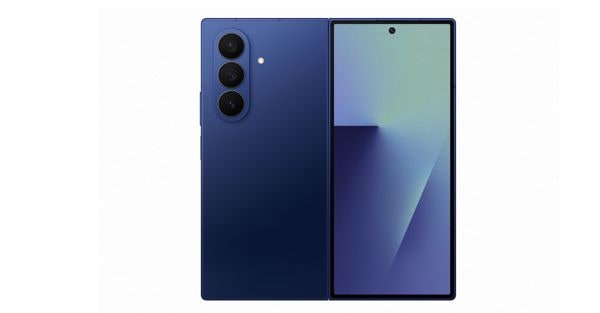
New features at Galaxy Unpacked 2025
.We start with the Galaxy Z Fold7: in the cheapest version, the 12GB + 256GB version, the recommended price is €2,199. We start here. Let us count, however, that it is the most advanced and advanced. It weighs only 215 grams and is 8.9 mm thick when closed. We 'touched' it during a preview in Milan and it really does feel like a normal smartphone in your pocket. The internal Dynamic AMOLED 2X display grows to 8 inches, an 11 per cent improvement over the previous version. The main hardware novelty is the 200MP ultra-wide-angle camera, the first on a Galaxy Z, supported by the new Snapdragon 8 Elite processor, which increases AI performance by 41 per cent compared to before.
So it improves the hardware but above all the design. We are officially out of the prototype phase. At this point Samsung really does have a foldable smartphone that nobody else has. But the bet is to turn foldables from an expensive niche into a pillar of revenue, justifying the huge initial investment and maintaining adequate profit margins despite competitive pressure.
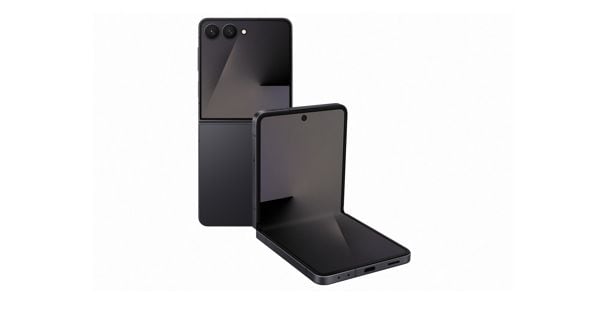
The race on flip phones is the most interesting
.It is the segment where there is the most competition and where there is the most market. Flip phones are phones that fold in half thanks to a hinge. They are reminiscent of clamshell phones but, folded, they are small and fit everywhere. Hence the reasons for their success. The Galaxy Z Flip7 follows Motorola's example and increases the external display. It retains the compact pocket format (13.7 mm when closed) but introduces the completely redesigned 4.1-inch FlexWindow, which can now be used edge-to-edge.