
TikTok allows photographs to be turned into short videos with one click
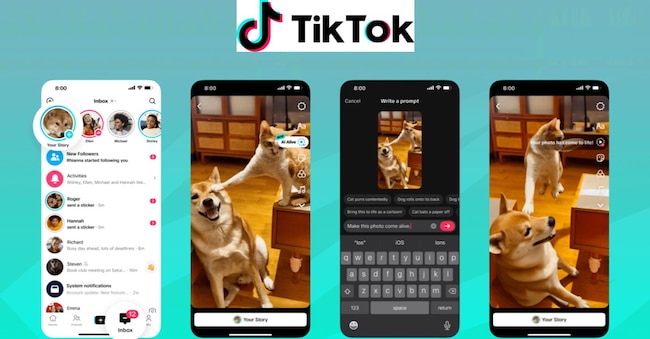
With AI Alive, the app transforms static images into short animated videos generated from text prompts. A new step in the race to integrate AI into social networks.

2' min read
2' min read
The race to implement unprecedented Ai functionality within social networks has officially begun. Meta has already made its move on Instagram, Facebook and especially WhatsApp. X has integrated Grok in a systemic way. Now it is TikTok that is raising the bar for visual content with AI Alive: a new platform that, thanks to the advanced application of artificial intelligence, allows users to transform static images into dynamic, realistic videos, using text prompts to guide content generation. A novelty that fits perfectly into TikTok's DNA, which has always been oriented towards video content with high viral potential, and which demonstrates how artificial intelligence is becoming a new creative engine of social production.
Creativity within everyone's reach
.Simply import a photo or select one from your gallery and click on the AI Alive icon. The default prompt is 'make this photo come alive', but it can be modified to specify what you want to happen in the video. Processing takes a few minutes and returns a video of a few seconds where faces come alive through fluid movements, along with objects and even environmental changes. The result maintains good visual consistency, at least for the simplest prompts. As noted by The Verge, the technology still has room for improvement with more complex prompts, sometimes being inaccurate. The generated video can also be downloaded and used outside the platform.
The ethical issue: security and automatic verification
.To prevent potential illicit uses of generated videos, such as the infamous deepfakes, the company stated that it had introduced a multilevel control process. Firstly, by integrating moderation and control filters capable of assessing whether the prompt posted and the video made are in line with the social network's moderation policy. Secondly, by integrating C2PA recognition metadata into the video, an international protocol that certifies the artificial origin of the content, guaranteeing its traceability and authenticity.
Security measures, however, do not convince everyone. Doubts persist: many users do not verify the origin of the content they share, and metadata can easily be removed during dissemination on social networks. For this reason, cybersecurity experts recommend a more structured approach combining digital user education, more robust verification technologies and shared responsibility between platforms and regulators.
Generative tools increasingly intuitive and just a tap away
.Ethical issues aside, there is no doubt that AI Alive enriches the user experience of TikTok: an enormous user base, with over 1.5 billion worldwide and only 19 million in Italy, marking a further step forward in TikTok's strategy: to make artificial intelligence a natural, fluid and everyday tool for the creation of convincing and viral content. And this is only the beginning. TikTok has announced that AI Alive will be progressively enhanced with the introduction of new options, including the ability to generate longer videos, further customise movements and integrate realistic sound effects.

