
Tlc, operators working on blocking calls with fake numbers
Telcos grappling with final steps to be ready for 19 August, when Agcom obligations will be triggered

2' min read
2' min read
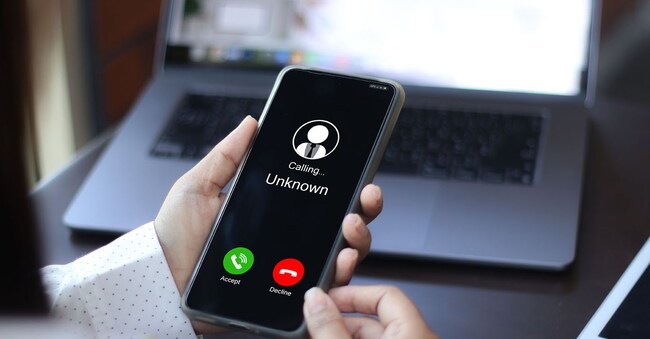
There is great activism among Tlc operators in the run-up to the first operational anti-spoofing cut-off (the falsification of the caller's number, often used for scams or aggressive telemarketing). In practice against nuisance calls. It starts on 19 August with the blocking of calls with spoofed Italian landline numbers.
In recent years, the phenomenon has expanded in parallel with the growth of aggressive telemarketing, often driven by opaque supply chains and borderline customer acquisition methods. The consequence is that today the telephone channel has become, for many people, synonymous with annoyance, if not potential risk.
Faced with a rapidly deteriorating picture, Agcom approved Resolution No. 106/25/CONS on 30 April, which rewrites the rules on the use of numbers and introduces an important technical filter against spoofing. Hence the two cut-off dates of 19 August and 19 November, when the measure will also be extended to mobile numbers. The filter, which was developed within the framework of a technical round table with network operators, is intended to prevent Italian numbers from being used fraudulently in order to establish a relationship of trust with the recipient and thus encourage deception. A technical measure, but one with significant implications for consumer protection.
Fastweb+Vodafone has set a deadline "by the end of July" for the implementation on its network of the blocking of calls from abroad that have an Italian fixed geographic number as the calling number (CLI)". Wind Tre, says Antongiulio Lombardi, Wind Tre's Regulatory Affairs Director, 'has already implemented such solutions as of 7 July and the blocking is fully operational, ahead of the date indicated by the Authority'. Tim's side also points out that "the Group has immediately deployed resources and expertise to implement the measures for blocking calls from abroad, in line with Agcom's latest indications".
The phenomenon of spoofing "represents a technical aspect of a broader problem, linked to a commercial chain that generates and monetises contacts through deceptive means," is the assessment of Iliad, which recently filed a complaint with the Milan Public Prosecutor's Office after an episode in which a fake operator, using a camouflaged Italian number, attempted to convince a user to change his telephone offer. The complaint also aims to raise a question of responsibility in the supply chain: 'The use of irregularly obtained contacts,' Iliad add, 'can jeopardise competition, harm consumers and alter the transparency of the market.


