AI, new protocols and conversational avatars: how vending machines change face

Key points
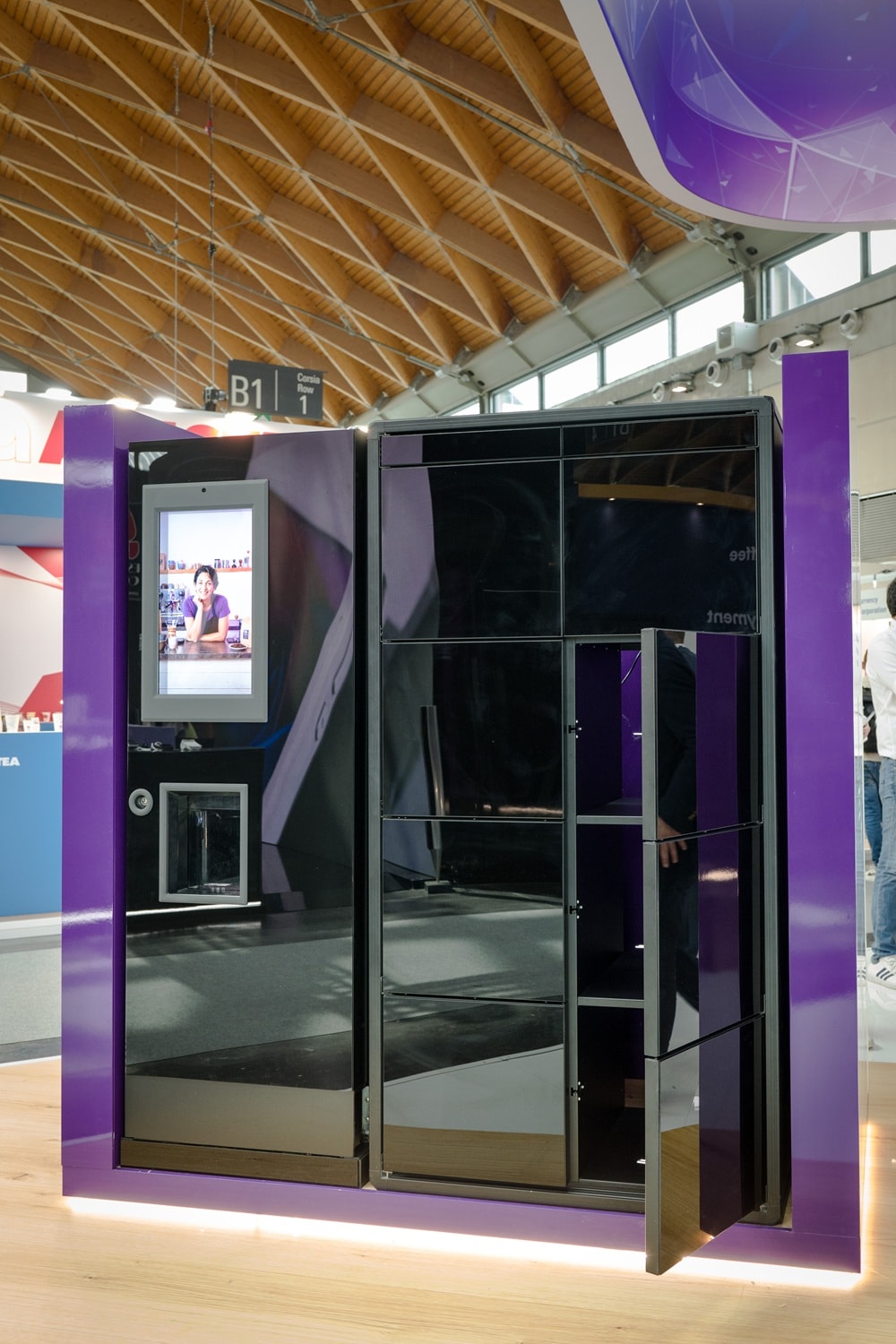
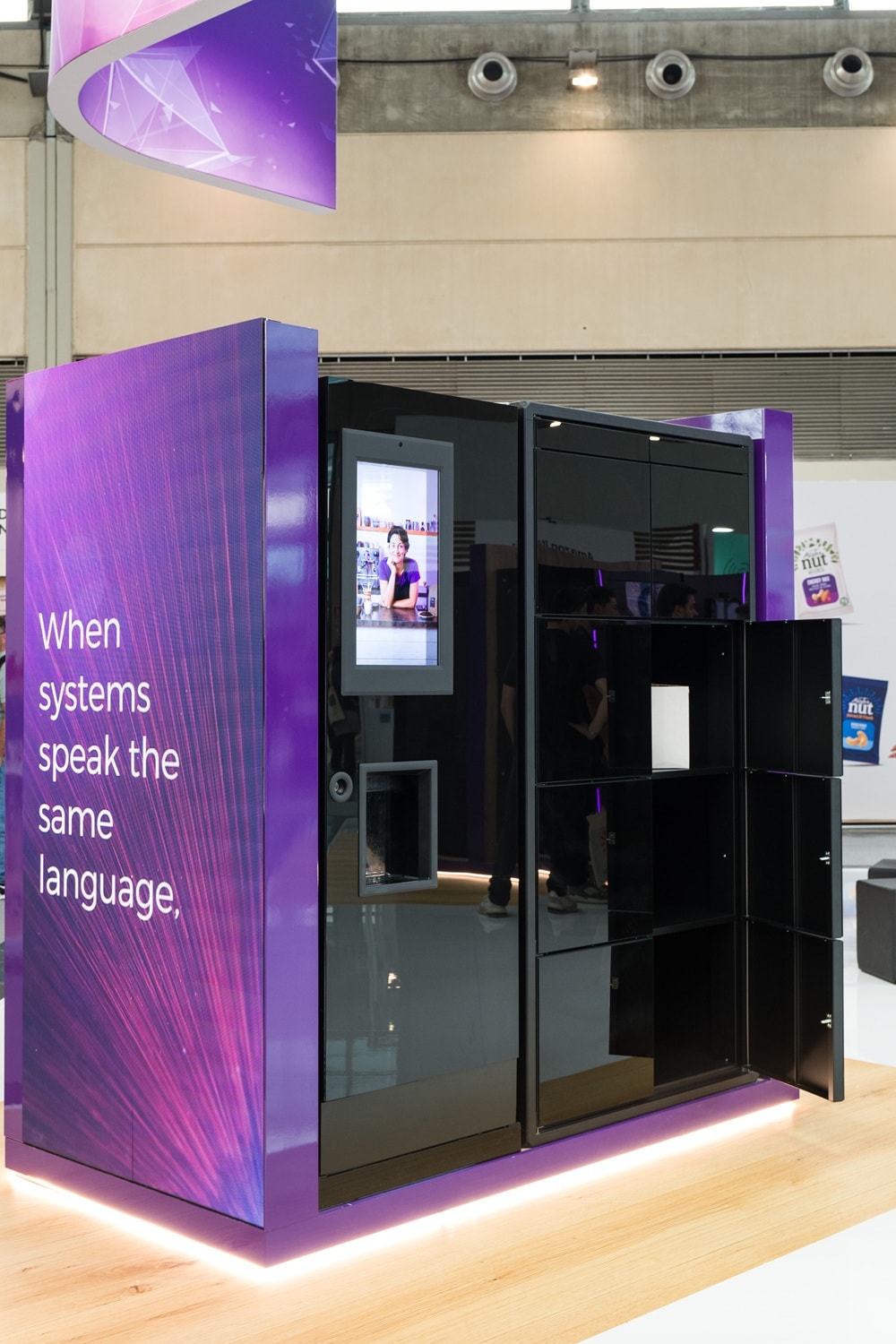
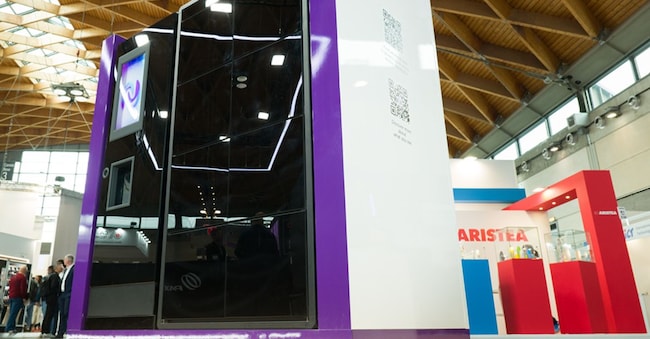
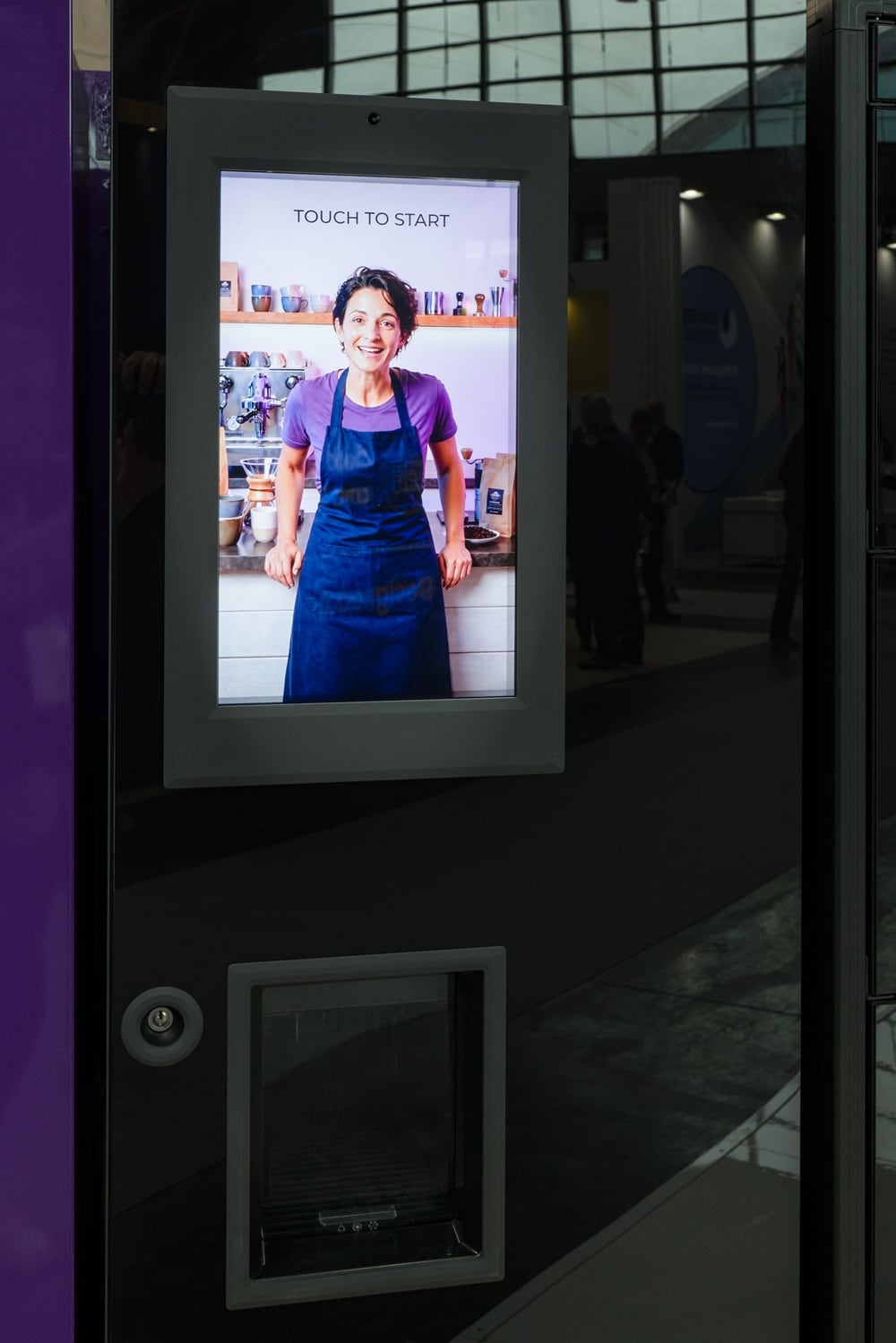
From classic snacks to beauty products, from K-Ways to flowers to pizzas: there seems to be no limit to the imagination of those who work in the world of vending machines, a very heterogeneous universe that also includes devices in service in the Horeca sector (hotels in primis) and that is slowly changing skin. Cashless payments, touchscreen interfaces, perennially connected machines and (from now on), artificial intelligence are the cornerstones of a profound transformation of vending machines, which from simple product dispensers are on their way to becoming true digital and data-driven points of sale. The above-mentioned themes animated the 2026 edition of Venditalia, the main international exhibition in this sector (held last week at the Rimini Trade Fair), and are part of a context of generalised growth of AI in Italia: the overall expenditure of companies (data are from the Milan Polytechnic Observatory) has in fact reached 1.8 billion euros at the end of 2025, with a growth of about 50%, and even traditional (and very analogue) sectors such as vending are starting to see in algorithm technology a tool for operational efficiency and improvement of the user experience and an enabler of new service models for the end consumer.
The state of the art of digitisation in vending
A survey carried out by Jakala for Confida (Italian Automated Distribution Association) and presented at the Rimini event, revealed more precisely the contours of the 'revolution' that is marking the sector. In fact, almost 90% of operators say they intend to introduce or integrate artificial intelligence solutions within the next five years, and in this sense the most strategic applications concern the reduction of out-of-stocks and the personalisation of the offer (items cited in 82% of cases), demand forecasting (in 73%) and predictive maintenance (in 58%).
The good intentions towards AI somewhat reflect a digitisation process that is already well advanced, with 60% of operators already using innovative technologies for managing and monitoring vending machines, while a further 13% are considering their implementation. Finally, over 70% of operators have already installed touchscreen equipped machines, while digital payments managed through apps (whose transaction value grew by 34% in 2025 compared to the previous year), smartphones and contactless systems are an option available to 38% of machines in operation. The vending sector, as Confida's top management reiterated at the presentation of the study, is therefore heading in a clear direction and AI (in tandem with interoperability and systemic interconnectivity of the fleet of machines) represents a concrete opportunity not only to transform information gathered in the field into operational insights (to optimise refuelling, maintenance and user experience, for example) but also to consolidate its function as an innovative proximity retail channel.
The new SmartLink protocol: aiming for interoperability
In this evolutionary scenario came, again on the occasion of Venditalia 2026, the official presentation and world premiere of SmartLink, the new communication protocol for vending machines promoted by EVA (European Vending & Coffee Service Association) together with Confida and developed with the support of the Milan Polytechnic, whose operational release is expected between the end of this year and the beginning of next. Its purpose? To be the key building block of the industry's digital transition and open up the market to new data and AI driven applications, fostering a more competitive ecosystem. Based on open architecture OPC-UA (Open Platform Communications Unified Architecture, the communication standard at the heart of Industry 4.0) and Ethernet/IP communication, SmartLink will have the task of replacing the old legacy protocols still in use in the vending and unattended retail segment such as Multi Drop Bus or EVA-DTS. Its main features are essentially interoperability, speed and security, and all three converge towards the goal of overcoming the fragmentation of current systems and natively interconnecting machines, payment platforms, user interfaces and management software.
Roberto Pellegrini, President of the Confida Vending Machine Manufacturing Companies Group, greeted the SmartLink announcement with a wide-ranging reflection. "Vending," the manager confirmed to Sole24ore.com, "is undergoing an unprecedented technological transformation, and the advanced development of telemetry makes it possible to optimise supply processes and manage vending machines remotely, avoiding the risk of out-of-stock. In this context, artificial intelligence becomes an additional tool at the operator's disposal for predictive maintenance, with the prospect of changing the face of our industry within the next five years starting from data and also taking advantage of the availability of an evolved standard such as SmarLink. This means, for manufacturers and operators, lower costs in terms of integration and software updates and remote diagnostics, greater cybersecurity and faster timeframes in the development of new digital services.